Getting Your Krones Contiform Heating Just Right
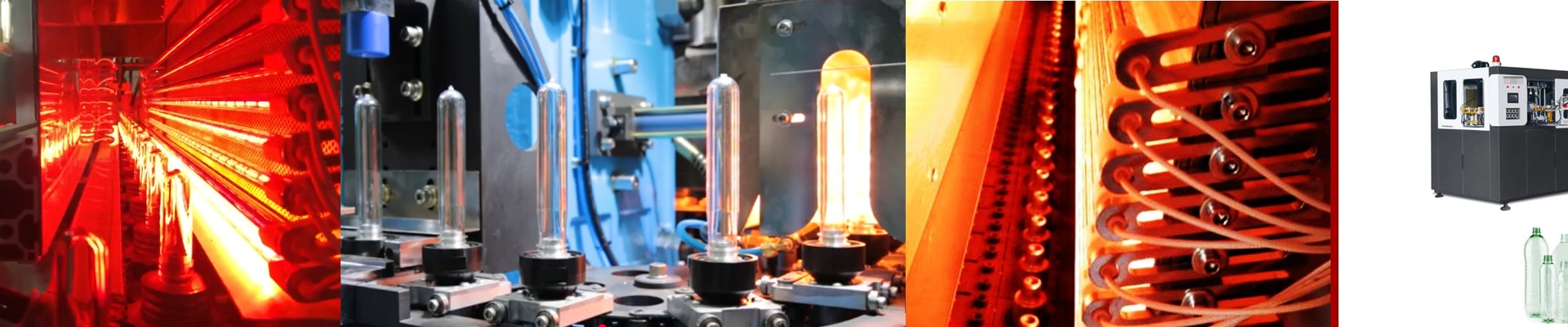
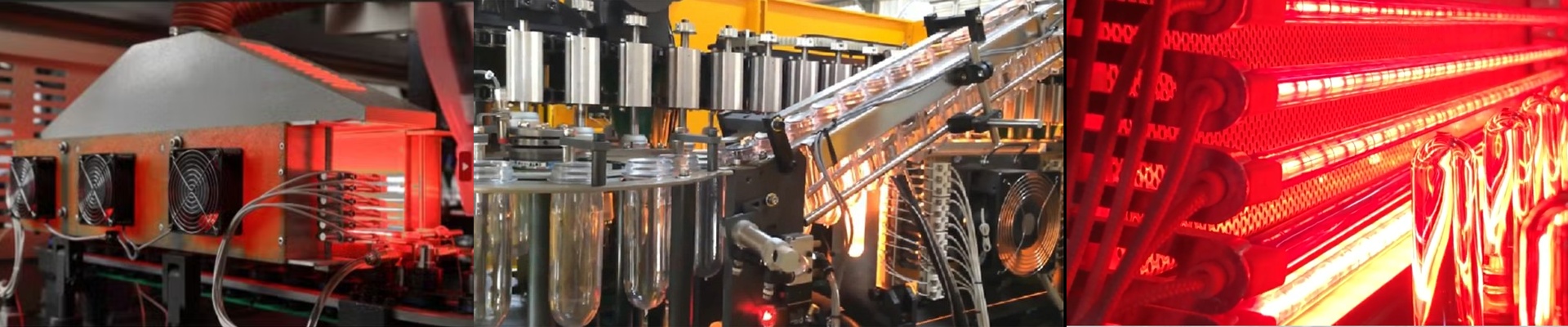
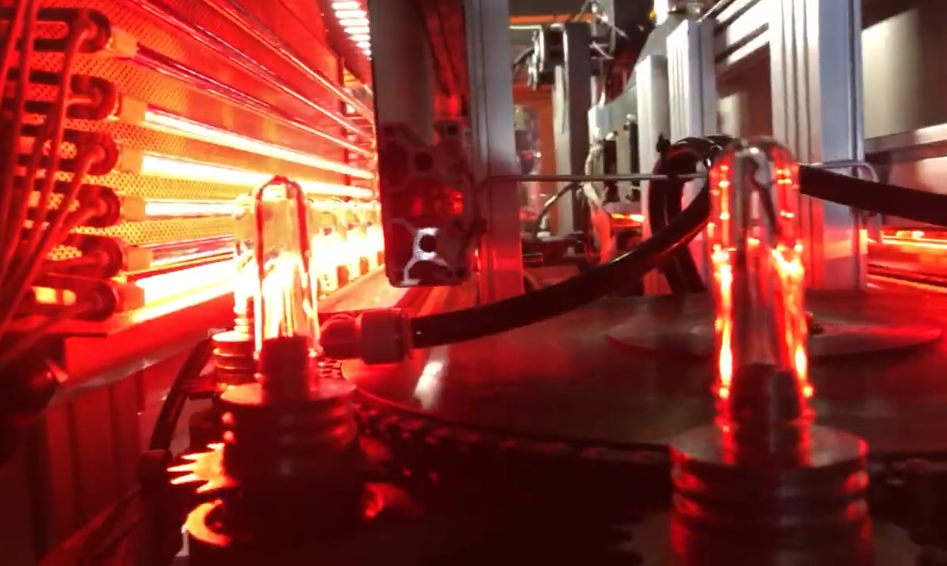
Running PET blowing lines is always a bit of a tug-of-war. You want the cycles to move as fast as possible, but you don’t want your energy bill to skyrocket. And let’s be honest—OEM lamp prices can be a gut punch. When those costs start creeping up, you need a replacement that actually works. Not something that “almost” fits, but a part that hits the same thermal profile so your preforms heat up evenly every single time. The nitty-gritty on power These lamps are built for the high-voltage chaos of a blower line. We’ve dialed in the wattage and voltage specifically for the Contiform oven. Why? Because if the PET preform doesn’t hit its glass transition temperature quickly, you’re in trouble. If the voltage is off, you’ll see uneven heating or, worse, your lamps will burn out way too soon. Just double-check that your power supply matches the lamp’s rating. It’s a simple step that saves you from overloading your circuits. What’s under the hood We use high-purity quartz glass. It has to be. When you’re cycling rapidly, the thermal shock is intense, and cheap glass just won’t hold up. We also use a halogen cycle. This stops the tungsten from evaporating and gunking up the inside of the tube. It keeps the light clear and the heat consistent for thousands of hours. Plus, we stick to R7s or Sk15 connectors. They’re standard footprints, so you can just pop them in without having to rewire your lamp holders. Easy. Real-world headaches Here’s the thing: in PET blowing, you’re hunting for shortwave infrared radiation. It’s what gets deep into the plastic fast. But there’s a catch. High-wattage tubes create a massive amount of heat density. That puts a lot of pressure on your cooling fans. If your vents are clogged or your fans are wheezing, these lamps will run hotter than they should. And when they overheat, they die early. We designed these to be direct swaps to help you stop overpaying for maintenance. You get the same IR punch as the OEM part, but your cost per hour drops. One last tip: check the length. It has to be exact. If it’s too long, it won’t seat. Too short? You’ll get a cold spot in your heating zone, and that’s a recipe for a bad bottle.