Stop Fighting Your SIPA Rotary Blow Molder
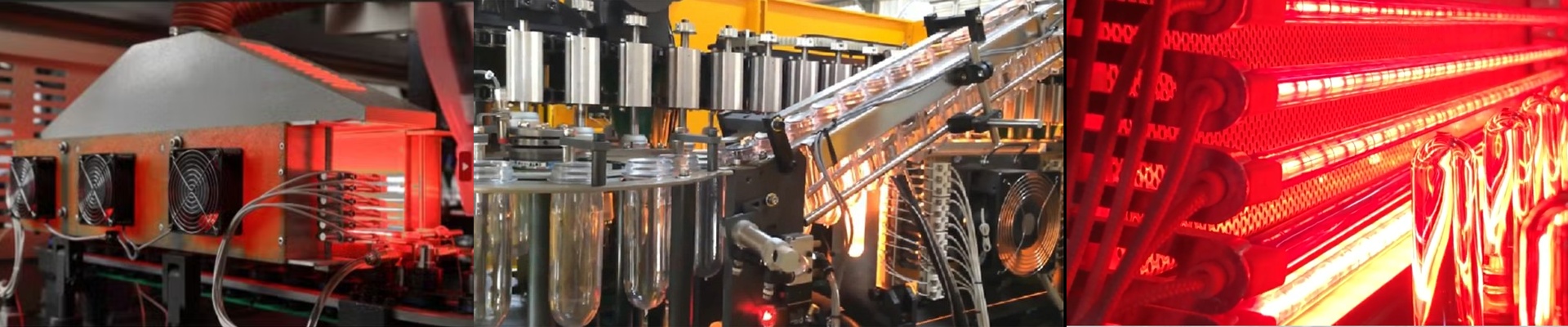
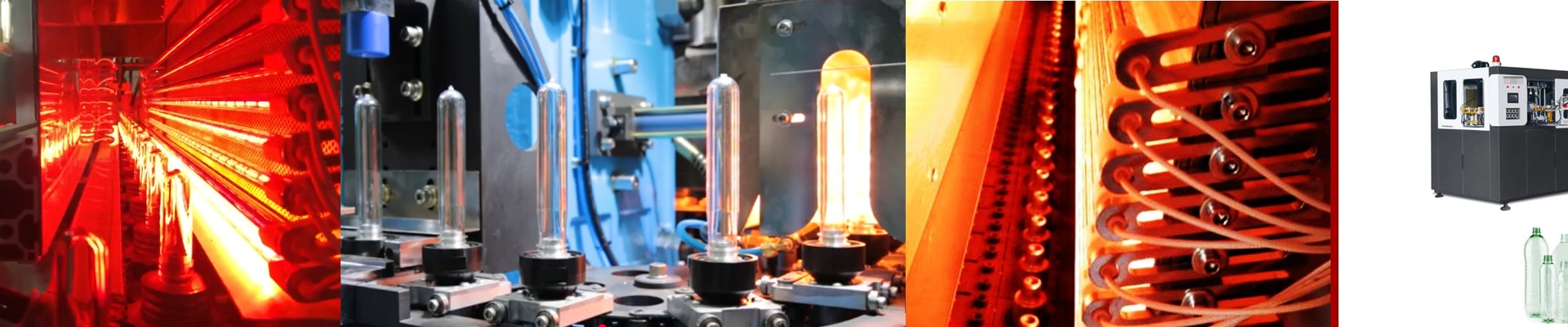
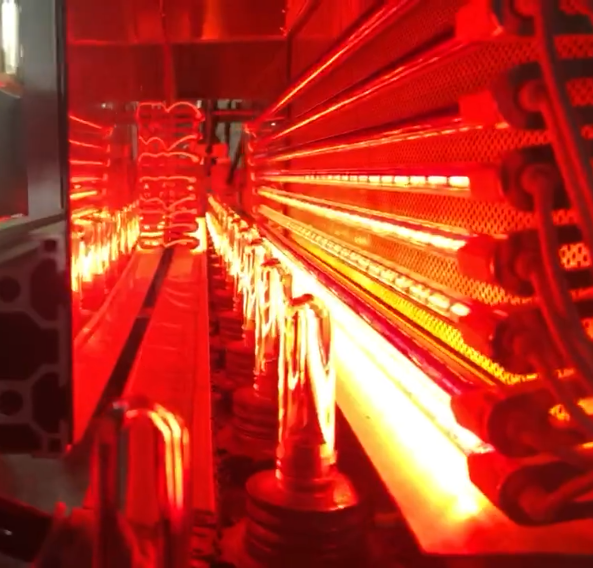
Ever feel like you’re playing a guessing game with your oven settings? One minute the bottles look great, and the next you’ve got weird wall thickness or that annoying pearlescence popping up. It’s frustrating. Usually, the culprit isn’t your operator—it’s the lamps. Here’s the thing: most “replacement” IR lamps aren’t actually replacements. They’re just close. But in a SIPA machine, “close” isn’t good enough. If the wattage or voltage is even slightly off, your thermal profile shifts. Suddenly, your team is spending half their shift tweaking dials just to keep the quality steady. Getting the power right We build our lamps specifically for the Sidel SBO 4/6 footprint because we know that consistency is everything. If you put in a lamp with the wrong resistance, you change the current draw. That’s how you end up with “cold spots” in your oven. We match the voltage and wattage 1:1. Why? Because it keeps the heat density uniform. No surprises. No guesswork. Simple swaps, better heat We use high-purity quartz glass because PET blowing is brutal on equipment. The rapid heating and cooling would crack cheaper glass. Depending on your machine’s version, these come with R7s or SK15 connectors. They just slide right in. No rewiring, no headaches, no calling in an electrician for a five-minute job. Plus, the shortwave IR is tuned specifically for PET. Instead of just scorching the surface of the preform, the heat actually sinks in where it needs to be. A quick word of caution High-wattage lamps are great for fast cycle times, but they can be hard on your hardware. Check your reflectors. If they’re pitted or oxidized, they can’t bounce the heat back into the preform. You could have the most perfect lamp in the world, but if the reflector is dirty, you’re just wasting electricity. While you’re at it, clear out your cooling fans. These tubes get incredibly hot—hot enough to melt nearby wiring if the airflow isn’t moving. Give them some room to breathe, and they’ll last much longer.