Getting Your Heat to Hit Fast: The Secret to frosted Quartz
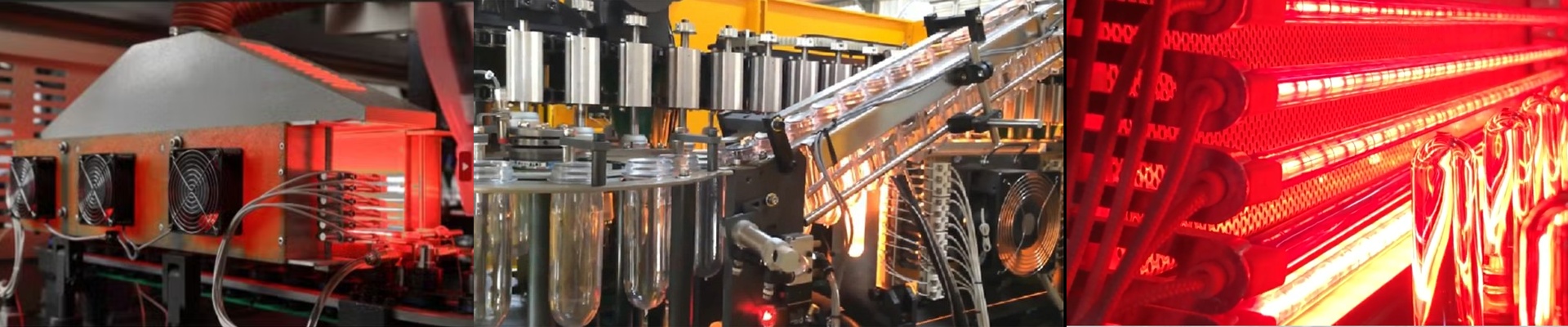
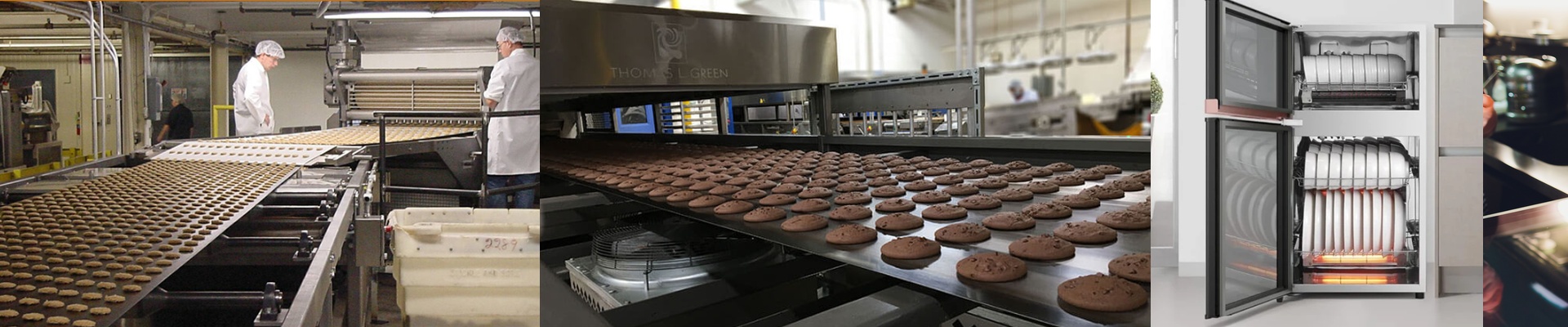
If you’re running a commercial pizza oven or a rapid-cure line, you know the drill. Every second counts. When you’re pushing for max throughput, the real bottleneck isn’t usually the oven itself—it’s how long it takes the heating elements to actually get up to temp. That’s where frosted quartz comes in. It’s the bridge between “raw power” and “actually knowing where your temperature is.”
Why “Thermal Lag” is a Pain
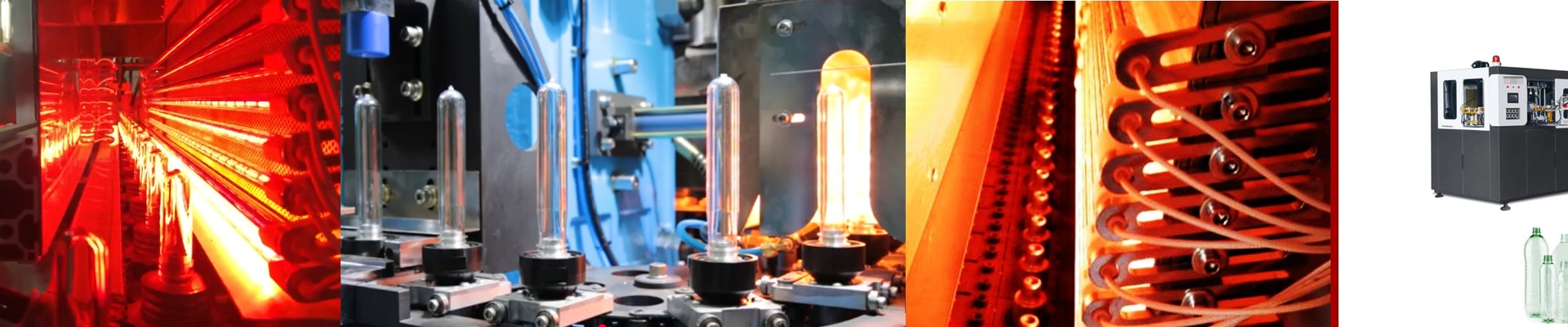
Most heating elements are sluggish. You turn them on, and you wait. We hate that. To fix it, we use a low-mass quartz envelope and a tungsten filament wound just right. Because quartz doesn’t “soak up” the energy like other materials, it just lets the infrared radiation fly straight through. The result? You flip the switch, and the filament hits its mark in seconds. It’s fast. Really fast. And that means you can pulse the heat to keep a tight temperature window without accidentally scorching your product.
The Magic of the “Frost”
Now, you might think clear quartz is the way to go. But clear tubes create those annoying “hot spots” that burn a hole in your crust while the edges stay pale. We add a frosted finish to the outside of the tube to scatter that infrared light. Think of it like a diffuser for a lamp. Instead of a harsh beam, you get a soft, even glow of heat across the entire surface. Everything cooks evenly. No surprises.
The Trade-offs (Because Nothing is Perfect)
Here’s the thing: switching heat on and off that quickly is brutal on the hardware. The filament expands and contracts every single time it cycles. If you go too thin, it snaps. Too thick, and you lose that lightning-fast response. We spend a lot of time balancing that thickness so the tubes last a long time without sacrificing speed. But a couple of warnings for you. First, make sure your PID controllers are actually tuned for this speed. If your cycle time is sluggish, you’re basically wasting the quartz. And please,keep the tubes clean. Grease buildup on the frosted surface isn’t just messy—it creates uneven heat patterns and can actually kill the tube. Keep them sparkling, and they’ll keep your line moving.