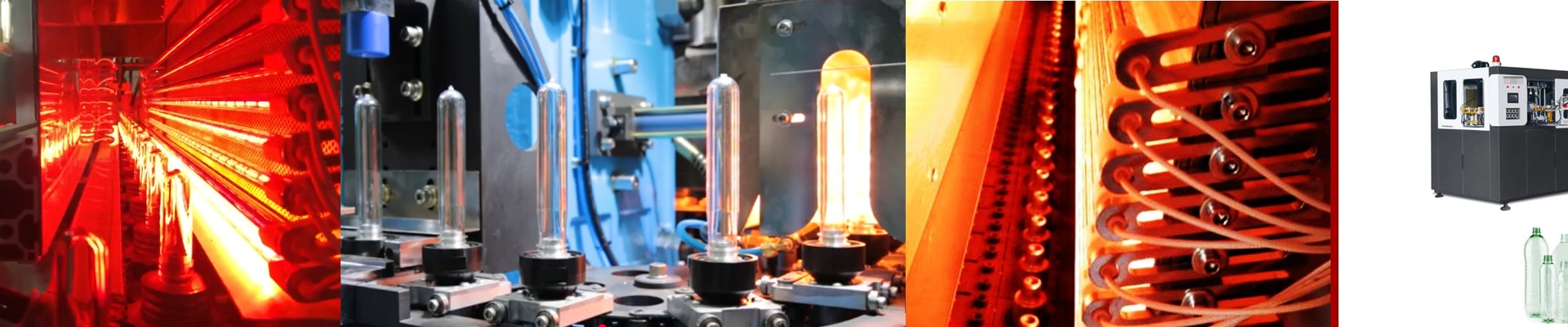
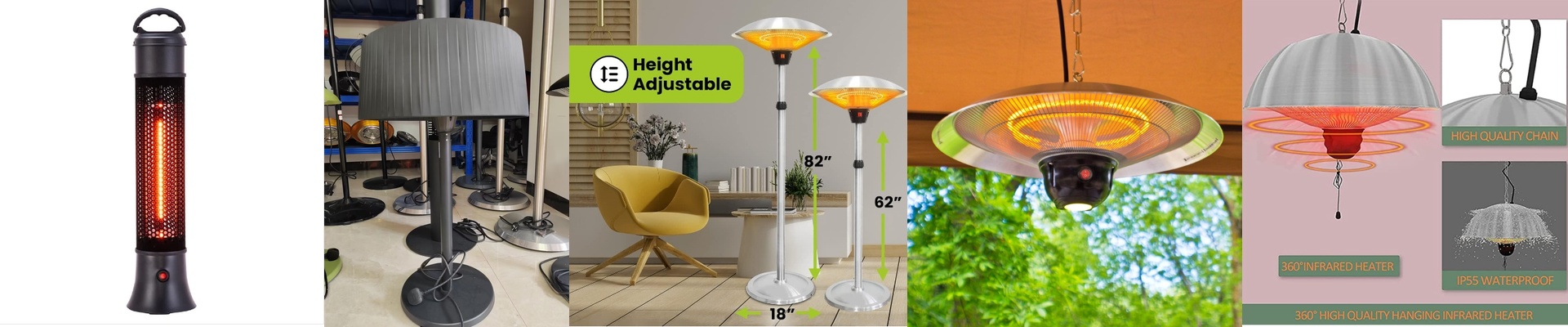
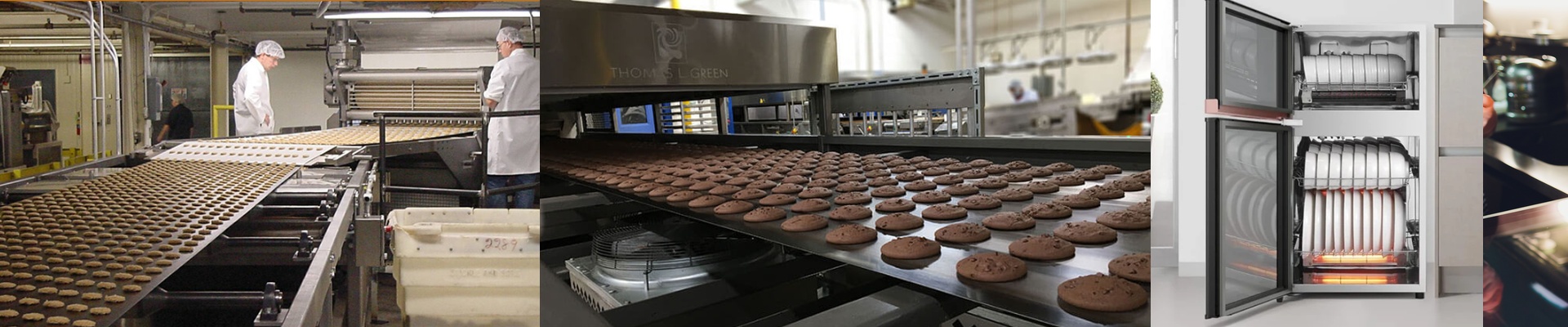
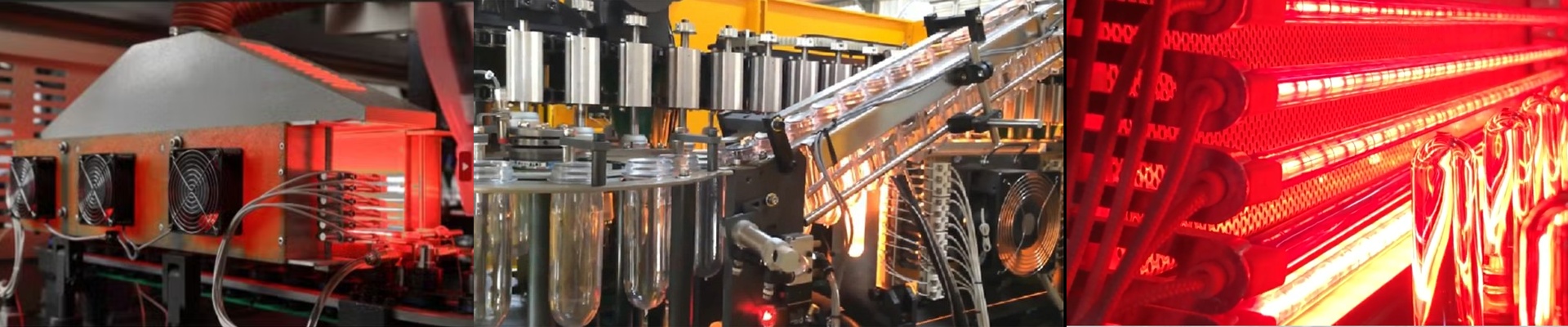
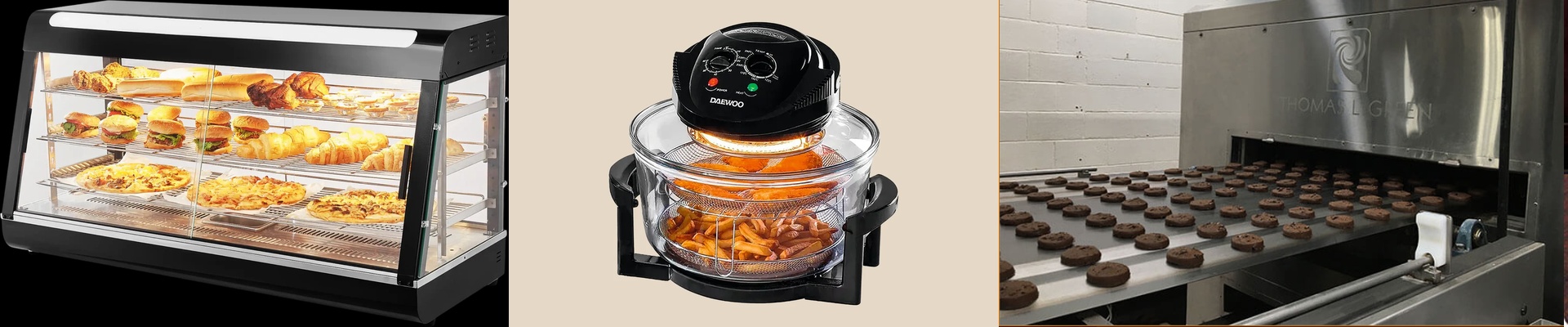
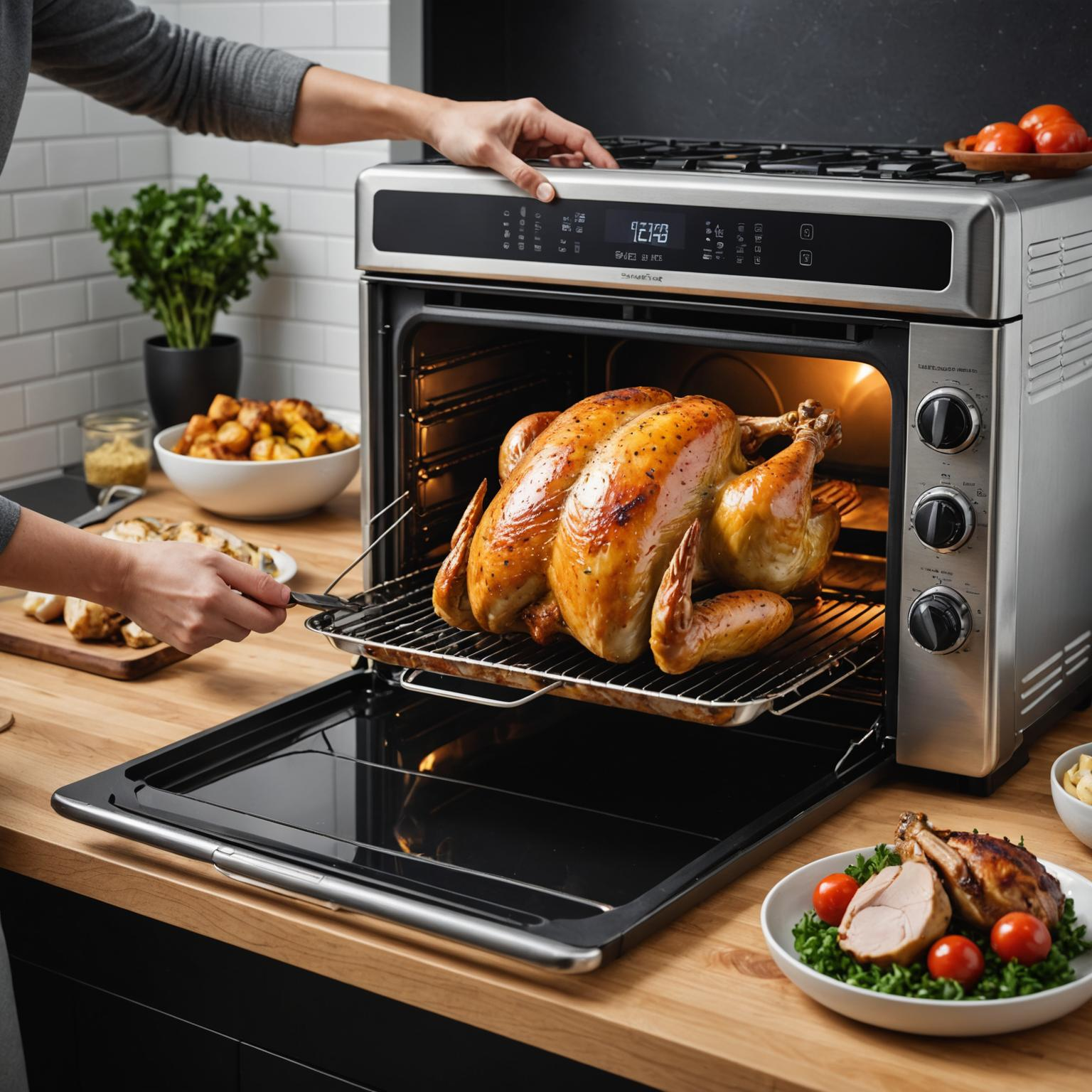
When that oven door swings open, the bake should look the same every time—no pale edges, no scorched centers. Out on the line, inconsistent heat turns a full load into giveaways and rework. The Frosted Quartz Heating Tube is built to settle the temperature story inside deck ovens, rotary ovens, and high-volume convection cells. What matters under the hood We went with a frosted quartz envelope because it diffuses the infrared output. Instead of hammering a hot spot, it spreads the energy across the baking chamber. The tube responds quickly and repeatably to thermostat demand, pulling the oven back to setpoint fast after you load it. It runs on standard commercial voltages and drops into common mounting brackets and terminal blocks, so the swap-in is straightforward in most existing ovens. In practice, the stone hearth or deck stays more even across the face, and the crust sets clean—no wild swings. Why this matters on the bake floor Even heat is what gets you a crisp crust without drying out the crumb, and what lets pizza finish in a predictable window. With this tube, you get more uniform color across sheet pans and loaves, and consistent bake times from the first pan to the last. That means fewer underbaked centers, fewer overdone edges, and less energy wasted chasing recovery heat. The quick heat-up also keeps your service window tight, so you can run more cycles without waiting for the oven to catch up. The field notes you’ll thank yourself for Installation is simple, but clearance matters. Keep the tube at the specified distance from pans, racks, and interior walls—too close and you risk uneven browning, too far and the response drags. Before you order, confirm the oven’s terminal rating and mounting geometry. Quartz handles thermal shock well, but it still needs stable airflow and clean, dry contacts. Treat it like any high-output heating element, and it will earn its keep shift after shift.