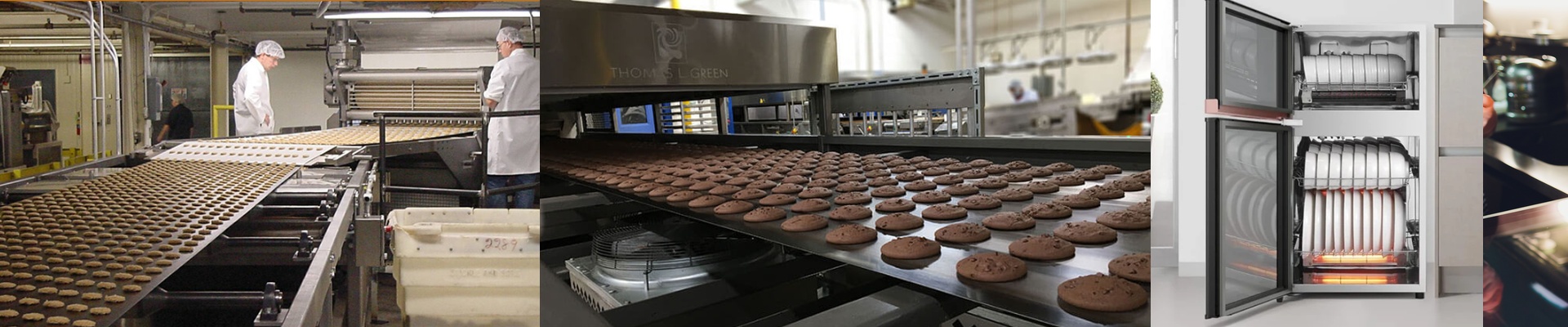
How to actually get that perfect golden-brown crust
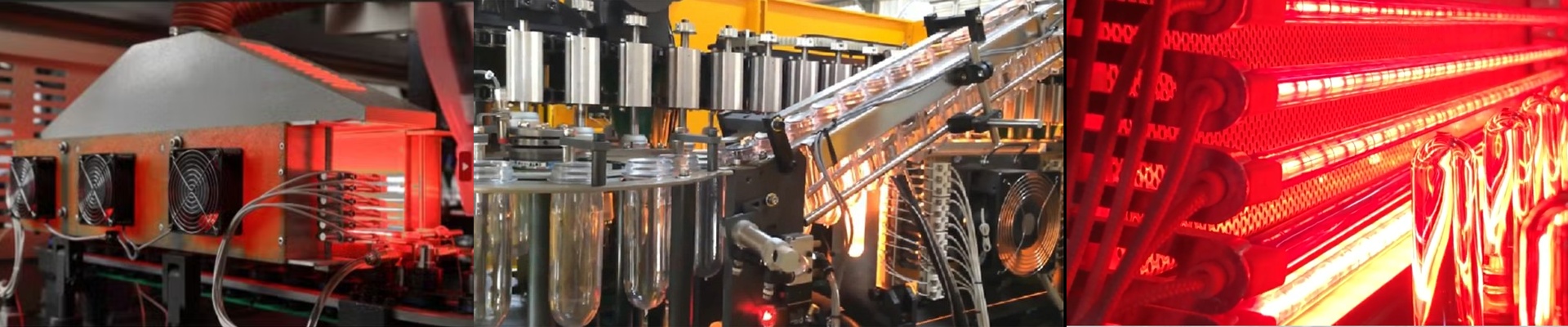
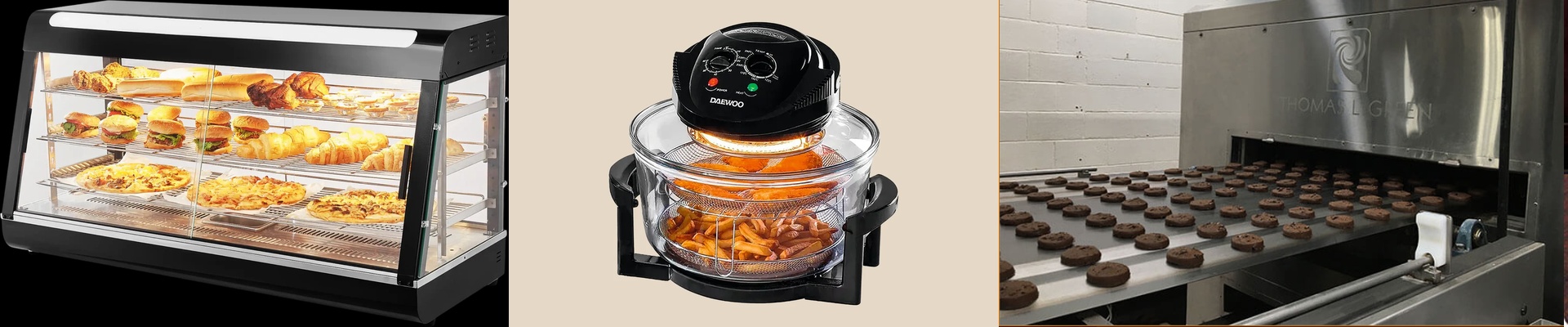
Ever notice how some bread just looks right? That textbook golden-brown crust isn’t an accident. It’s not just about cranking up the heat, either. It’s all about how that heat hits the dough. That’s why we use short wave quartz tubes. Unlike other emitters, these punch through the surface of the dough fast. It means you get that beautiful color without drying out the inside of your loaf. Nobody wants a cracker when they asked for bread. The secret is in the speed. Short wave radiation hits the moisture and sugars in your dough almost instantly. This kicks off the Maillard reaction—the magic that creates the flavor and color we love. But here’s the thing: you can’t just guess the wattage. If it’s too low, you’ll end up with a pale, sad-looking crust and an interior that’s overcooked. We figure out the power density based on how fast your conveyor is moving. If your line is flying, you need more punch to hit that target temperature in a matter of seconds. Built for the chaos of a bakery Bakery environments are tough. It’s humid, it’s hot, and things get messy. We use high-purity quartz glass because it doesn’t warp when the temperature swings wildly. It can take a beating. Depending on what you’re baking, you can go with clear quartz for maximum punch, or we can give you coated versions if you want a softer, more medium-wave kind of heat. Making it work in your shop We didn’t want you to have to rebuild your whole oven just to use these. Most of our tubes are drop-in replacements for standard industrial setups. The wiring is simple, too. One heads-up, though. Short wave tubes create an intense amount of localized heat. It’s great for browning, but it’s hard on your reflectors. If your reflectors are dirty or pitted, you’re basically throwing heat away. Keep those surfaces clean. It keeps the energy focused exactly where it needs to be: on your product.