Getting Heat Where It Actually Matters in Husky HyPET Systems
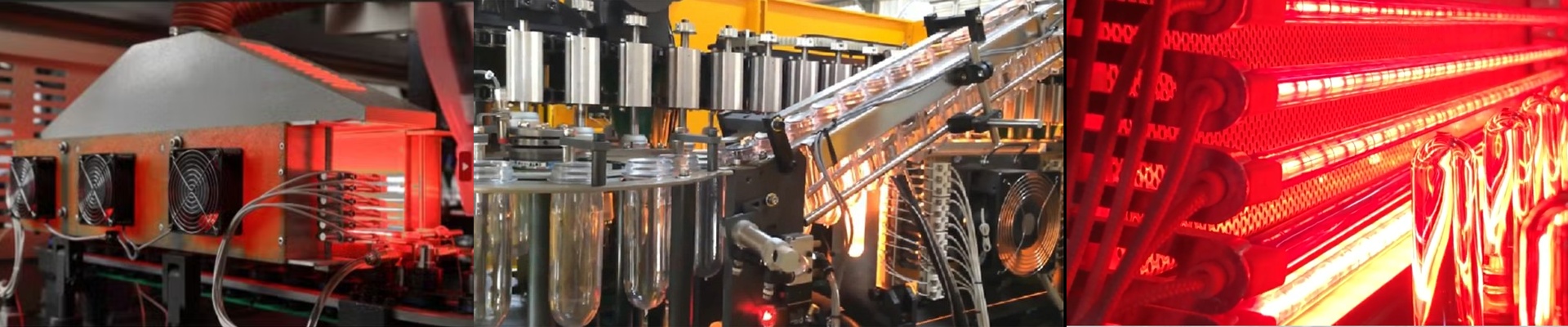
If you’ve spent any time with high-speed blowing, you know the struggle. You’re trying to get the core of a PET preform hot enough to stretch, but the second you crank up the heat, the surface starts to scorch. It’s a balancing act that usually ends in uneven walls or thin spots that ruin the bottle. We’ve spent a lot of time figuring out how to beat this, specifically for Husky HyPET setups.
It’s all about the wavelength
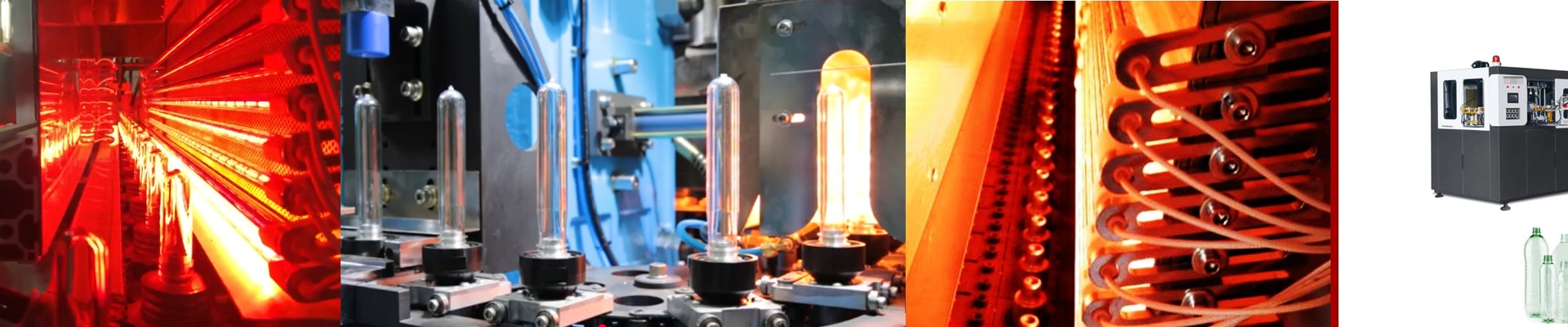
Most people think the answer is just adding more wattage. Trust me, don’t do that. That’s how you burn your plastic. Instead, we look at the physics of how heat actually moves. By tweaking the quartz purity and using specific halogen dopants, we shift the light spectrum. We’re basically tuning the lamps to “speak the same language” as the PET. The result? The heat doesn’t just sit on the surface. It sinks deep into the plastic. You get a consistent, warm core without frying the outer skin.
No headaches during install
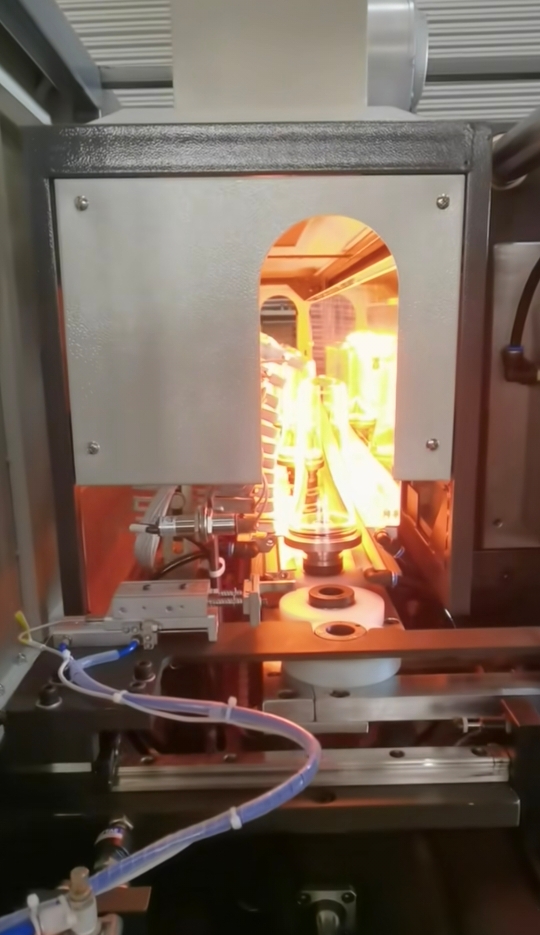
Nobody wants to spend a weekend modifying an oven housing. That’s why we built these as drop-in replacements. They fit the Husky footprint exactly. We use high-grade fused quartz because these lines are brutal. The constant heating and cooling would warp cheaper glass, but these hold their shape. Plus, we’ve spec’d them for high-voltage operation. It keeps the current draw under control while still hitting the heat levels you need. And the connectors? Standard. You plug them in, they work. One tip: make sure the fit is tight in the mounting bracket. If there’s a gap, you get a cold spot. And a cold spot means a bad preform. Simple as that.
A quick heads-up on cooling
Here’s the thing: these tubes put out a lot of energy. A ton. Because the heat density is so high, your forced-air cooling has to be on point. If your blowers are clogged or just too weak, the oven temperature will start to climb. Before you know it, you’re seeing pearlescence or the preform necks are overheating. Keep your airflow clear. As long as you’re cooling the surface while we’re heating the core, you’re in the clear.