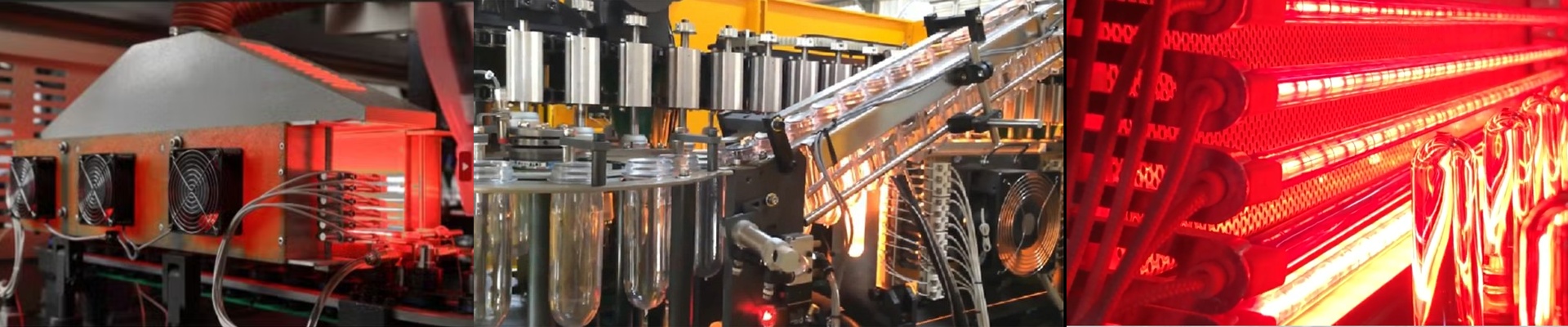

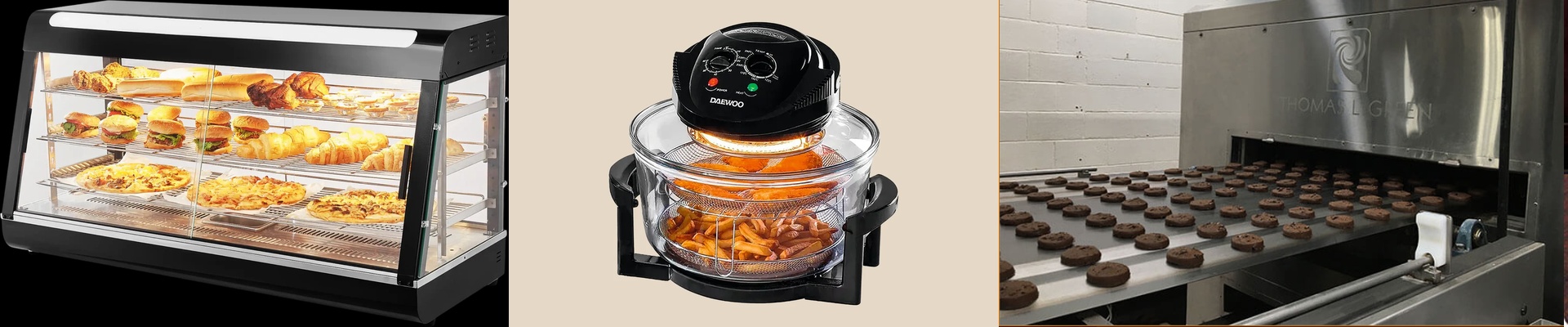
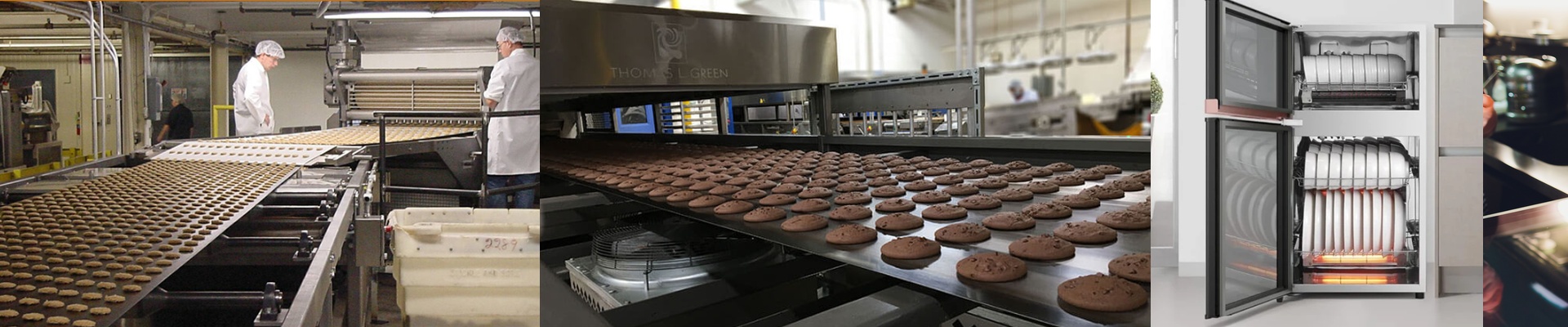
Getting the Heat Right: A Guide to Infrared Tubes for Deck Ovens
If you’ve spent any time in a professional bakery, you know the struggle. You can’t always wait for the stone to soak up enough heat to get that perfect crust. That’s why the pros lean on infrared-assisted ovens. They give you that immediate, searing surface heat the moment the dough hits the deck. We build our replacement infrared tubes to do exactly that—hit the dough instantly with short-wave radiation so you aren’t playing a guessing game with your crust. The nitty-gritty on power Here is the thing: you have to be precise with your specs. When you’re picking out a replacement, the voltage and wattage need to be a perfect match for your oven’s transformer. If they don’t line up, you’re asking for trouble. You’ll either burn the tube out way too early or end up with bread that looks pale and underbaked. We calibrate these to hit operating temperature in seconds. It means you can crank through batch after batch without the oven taking a nap in between. Why we use quartz Inside the tube, there’s a tungsten filament. We wrap that in high-purity quartz glass because, frankly, standard glass can’t handle the shock of heating up and cooling down rapidly. It would just shatter. Some of our tubes have a special coating. It’s a subtle touch, but it changes how the heat works. Instead of just scorching the very top of the loaf, the heat actually penetrates the surface. And the best part? They usually use R7s or similar push-in connectors. It’s a simple swap. You don’t have to mess with the wiring or call in an electrician; just pull the old one out and pop the new one in. A couple of things to watch out for These tubes put out an intense amount of heat in a very small space. It’s great for that “oven spring” we all love, but it puts a lot of pressure on your ventilation. If your cooling fans are choked with flour or just aren’t pulling enough air, the heat can build up around the socket and fry your wiring. Keep that area clean. Your oven will thank you. One last tip:Don’t touch the quartz with your bare hands. I know it sounds weird, but the oils from your skin create “hot spots” on the glass. Once the tube heats up, those spots cause the glass to crack. Grab a pair of gloves, slide the tube in, and you’re good to go.