


Technical Deep-Dive: Power, Voltage, and Footprint
We built these infrared heaters specifically for wet, steamy spaces. The whole point is delivering focused warmth without pushing your electrical system past its comfort zone. You’ve got options on the power side—mostly 220V or 400V—and the wattage runs from 150W all the way up to 2500W. It’s simple physics: more watts means more heat. But it also means your circuit has to work a little harder. For a cozy, compact bathroom, a unit between 150W and 500W is usually plenty to chase the chill off the walls and floors. Step up to a larger bathroom, or one that loses heat fast, and you’ll want something in the 1000W to 2500W range to keep things feeling steady.
Material & Design: Why the Components Matter
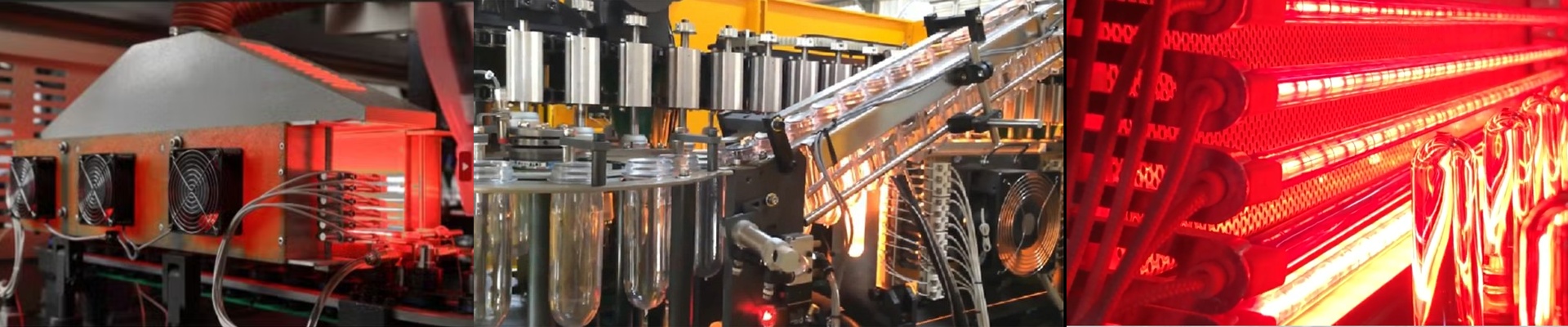
Inside, it’s all about halogen technology housed in a quartz envelope. That combo lets the filament run hot in a small space, while still giving you consistent heat over time. The quartz body is tough—it handles the sudden shock of turning on and off without cracking. We’ve sealed everything up with a waterproof coating and gaskets so the unit can handle steam and direct splashes without flinching. And those connectors—R7s or Sk15—aren’t an afterthought. They’re industrial-grade for a reason. They lock in tight, keep resistance low, and stop any sparking. They’re meant to be serviced again and again, not just installed once.
Application & Benefits: Right-Sizing for the Job
When you’re picking a bathroom heater, you’re really just matching the heat to the room. Get it wrong, and things get messy. A heater that’s too small for a big bathroom will run forever, fighting to catch up and wasting energy. A heater that’s way too big for a tiny room will turn on and off constantly, stressing the electrical system and making comfort hard to nail down. Our range lets you match the power to the actual square footage and how well the room is insulated. And because the build is waterproof, the electronics stay dry. That means reliable starts and a lamp that lasts. Just keep one thing in mind: the high-wattage models throw off serious heat. So you need to think about where you mount it and make sure nearby materials can handle the warmth. And of course, the wiring has to be up to the job.
Selection Logic: Matching Wattage to Space
For a small bathroom with decent insulation, stick with 150W to 500W. Move up to a medium space, or one that’s a bit drafty, and 1000W to 1500W is the sweet spot. If you’ve got a large bathroom, or you need the heat to come back fast after the ventilation kicks on, go for 2000W to 2500W. This way, you’re using energy only when you need it, and you’re not putting unnecessary strain on the circuit.
Installation Notes: Practical Wiring and Placement
Mount the heater where it can shine right on the spots people use most. Avoid mirrors or metal surfaces—they just bounce the heat around in a way that doesn’t help. Double-check that the voltage lines up with your home’s supply, and make sure the connector type—R7s or Sk15—fits your fixture. Use the right wire gauge and the proper protection for the load. And remember, a waterproof seal is only as good as the install. Keep those gaskets seated and the housing intact.
Maintenance and Reliability: Expectations on the Shop Floor
Halogen infrared lamps are steady workhorses. They’ll run for thousands of hours, but they do wear out eventually. Plan on checking the seal, the socket, and the wiring every so often. It’s smart to swap the lamp before it burns out completely—you’ll avoid flicker and uneven heating. And keep the housing clean. A dirty lens drops efficiency and can trap heat where it shouldn’t be.
The Bottom Line: Efficiency Comes from Correct Sizing
Saving energy in the bathroom isn’t about flashy labels. It’s about matching the power to the space. Pick the wattage that fits the room, match it with the right voltage, and lean on that waterproof, sealed design to keep things running smoothly in the humidity. Do that, and you get heat you can count on, fewer late-night service calls, and a system that just does its job.