

Stepping out of the shower into a cold, damp bathroom isn’t just uncomfortable. It sets the stage for hidden headaches. When the air stays wet and cold, mildew moves in fast, turning grout and corners into a maintenance problem. An infrared bathroom heater does more than chase the chill. It uses focused radiant warmth to change the feel of the space itself.
What matters, technically
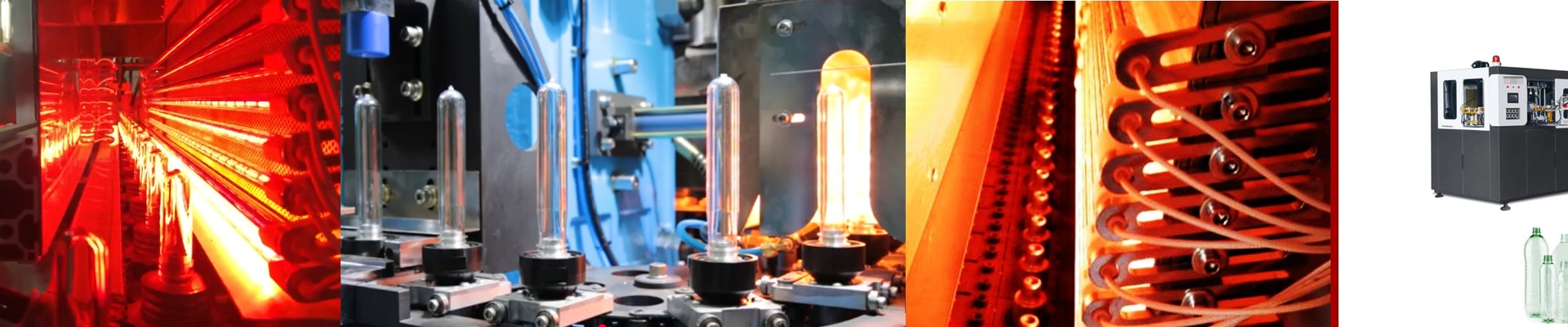
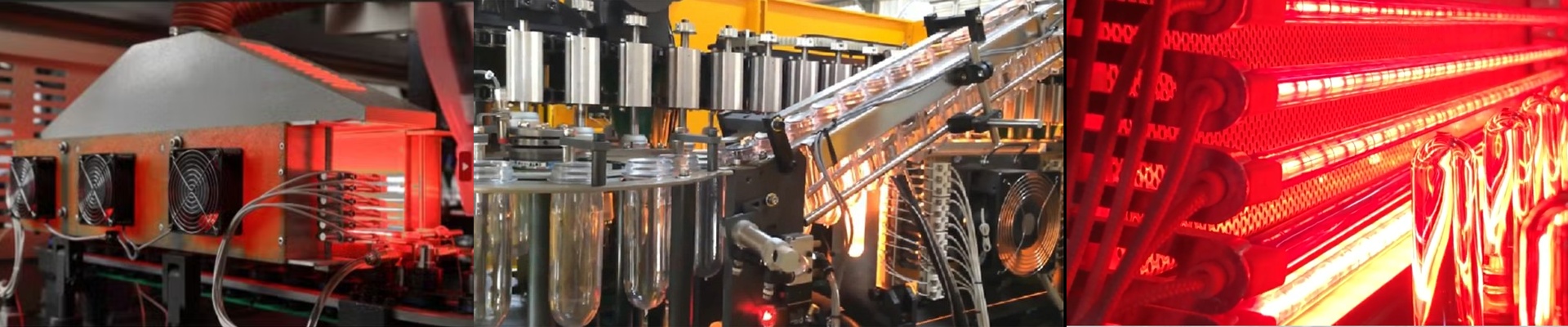
We build these heaters around a short-wave infrared quartz tube, tuned to deliver instant, directional heat. The element emits energy in the near-infrared band, warming people and surfaces directly instead of the air. That focus is why you feel the heat within seconds, not minutes. Paired with a simple thermostat, the unit holds a steady comfort level without constant cycling. The result is consistent warmth where you need it, with quiet, dependable operation.
Why it works in a bathroom
In a bathroom, moisture is the real enemy. By warming walls, floors, and towels, infrared heat helps surfaces stay above the dew point, which cuts down on condensation. Less condensation means fewer damp pockets where mold spores like to grow. The heater also helps things dry faster after a bath, so towels and bath mats don’t stay soggy. You get a cozier room, quicker drying, and a cleaner feel—without the harsh blast of a fan heater.
What you need to know
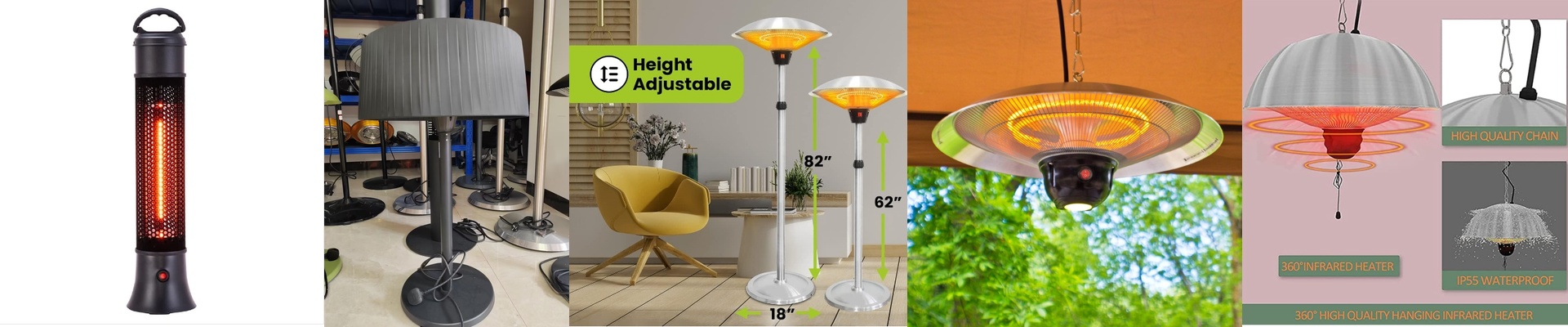
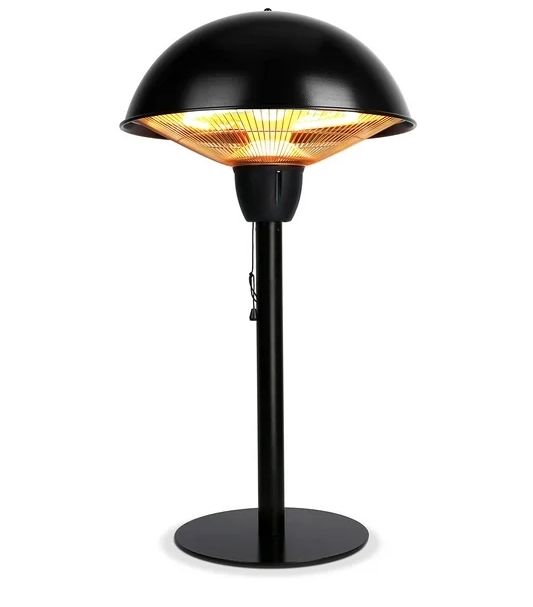
Infrared bathroom heaters are compact, but they need the right electrical setup. Most models run on a dedicated 120V or 240V circuit with GFCI protection, and they should be installed by a qualified electrician. Plan the placement so the beam covers the shower and vanity area, and keep the unit at a safe distance from water sources. **The radiant effect dries surfaces efficiently, but it won’t fully replace proper ventilation.**For best results, run the heater alongside an exhaust fan to keep air moving and humidity under control.