
Winter training does a number on your muscles—they get tight and slow to respond. When the cold sets in, air heating only warms the air. It doesn’t get down to the deeper tissue that’s crying out for relief. Athletes need heat that penetrates, not just heat that bumps up the room temperature.
What matters under the hood
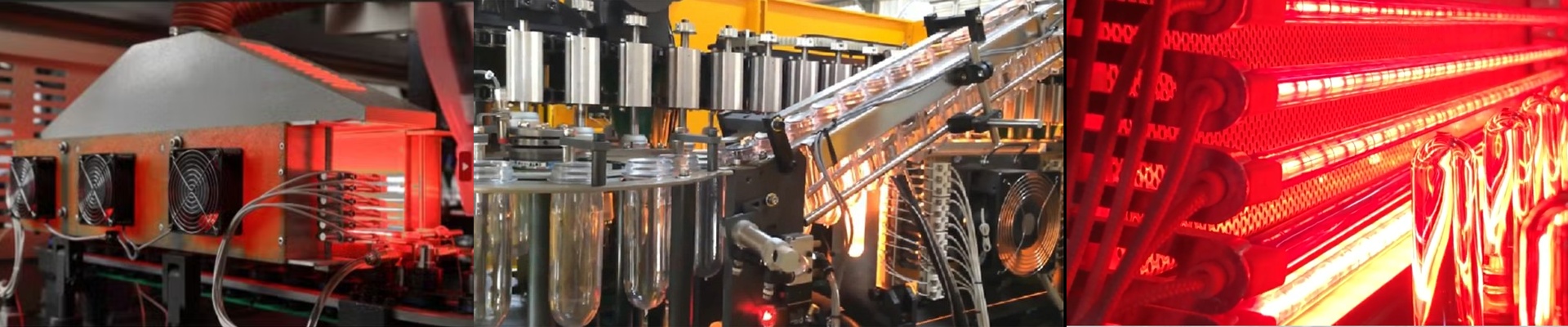
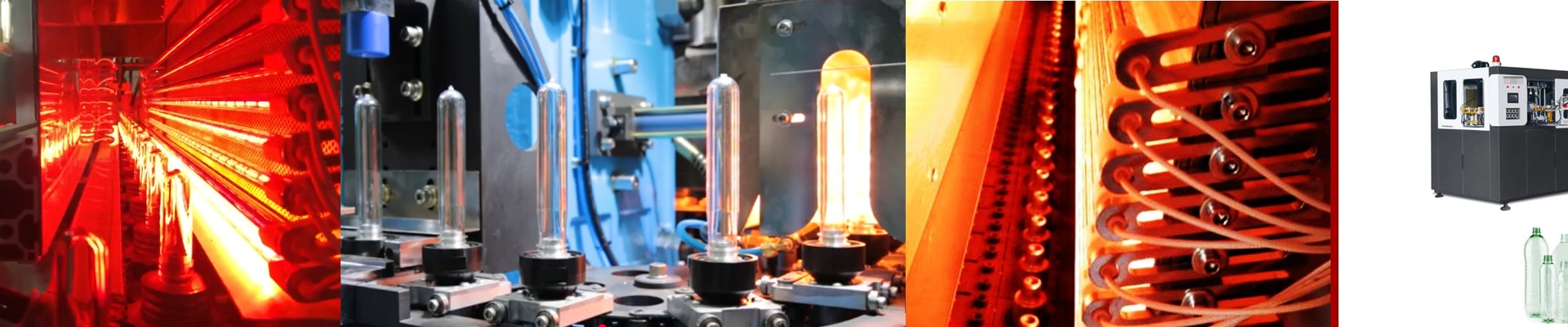
Infrared space heaters deliver radiant warmth that goes straight to people and surfaces—think of it like sunlight warming your skin. In practice, you get a focused, even warmth profile that helps boost local circulation. We lean on short-wave infrared elements to put the heat where it counts, without blasting air that dries skin or kicks up dust. The upshot is steady, directional warmth that helps muscles relax and gets the body into recovery mode.
Why this hits the spot
After a hard session in the cold, muscles seize up and recovery drags. Infrared warmth helps those fibers loosen faster, so you can get into stretching, mobility, or therapy with less stiffness. For minor strains and overworked tissue, that gentle, consistent heat makes sessions feel more comfortable and less of a grind. Because the warmth is radiant, you don’t have to heat the whole room to feel the benefit—set it up in a clinic corner, training room, or quiet recovery space, and you get targeted support exactly where you need it.
The practical stuff
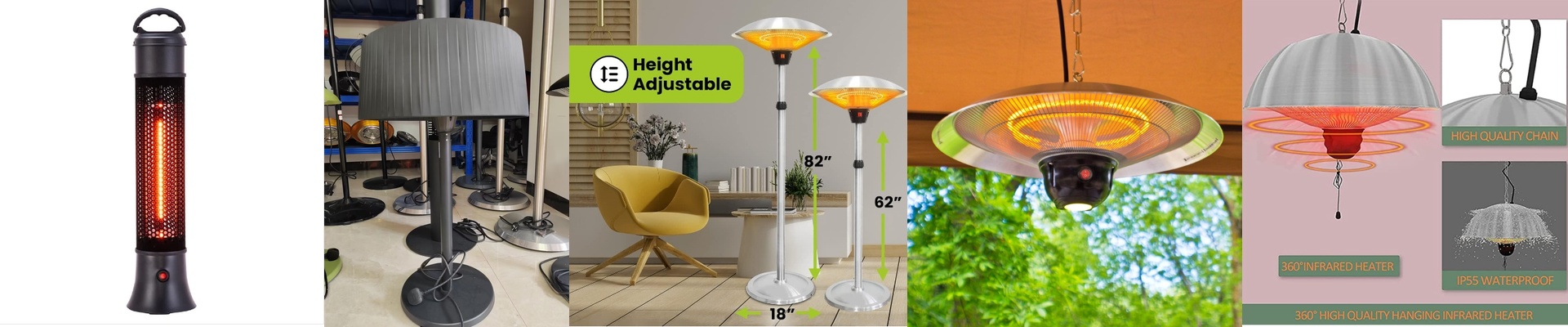
Infrared heaters do their best work when you position them at a comfortable distance and angle the heat toward the target area—avoid running them directly overhead for long stretches. These units are meant for supplemental comfort and wellness support, not medical treatment, so serious injuries still need professional care. Most models plug into a standard outlet and require a clear clearance zone to run safely. Keep the unit stable, dry, and away from anything flammable, and you’ll get dependable, focused warmth session after session.