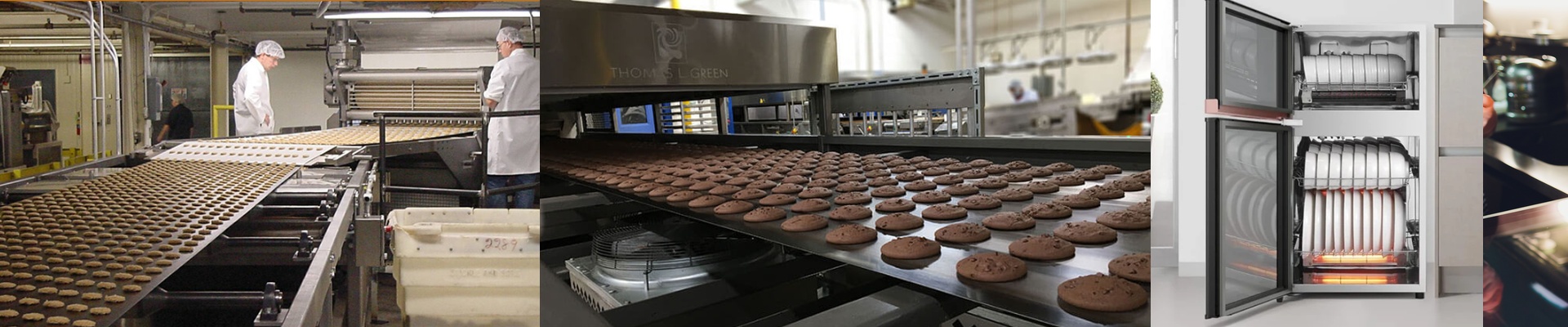
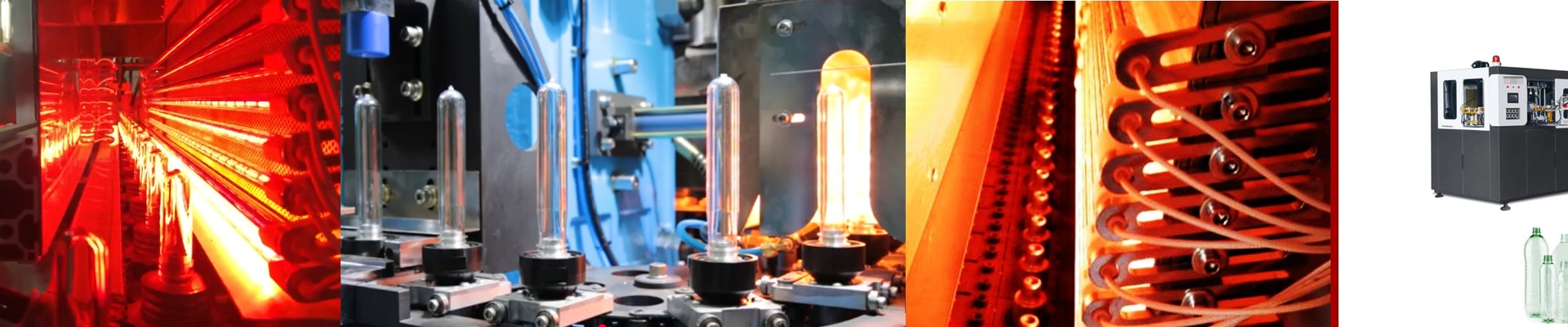
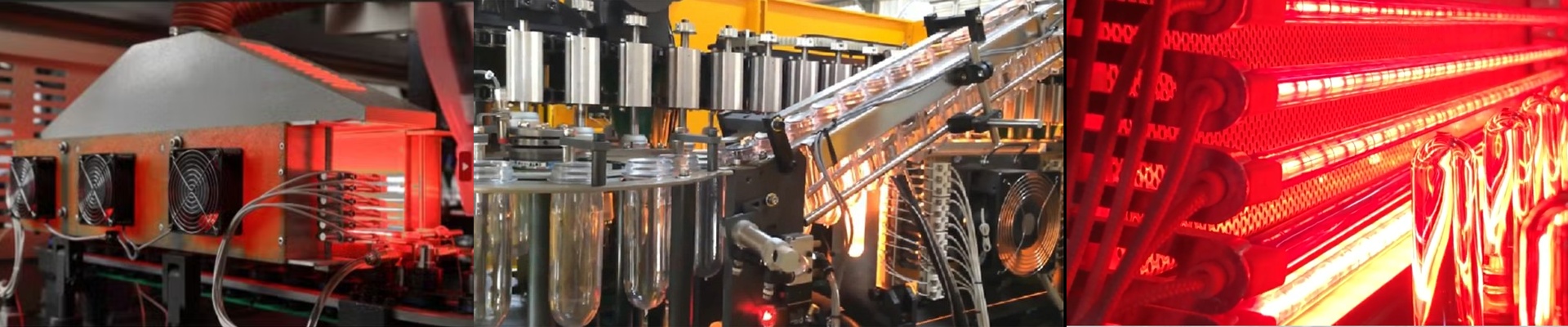
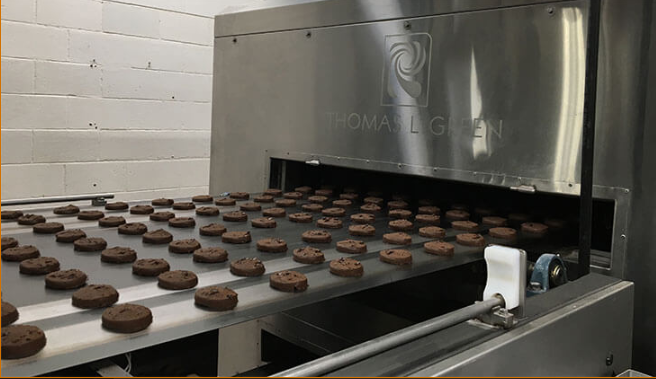
In a busy commercial kitchen, oven downtime and uneven baking cost you far more than ingredients. When your deck or rotary oven drags to hit setpoint, you’re bleeding minutes on every bake—and that’s when crust and color start to drift. The 220V black ceramic infrared heater is a straightforward fix: it brings the heat you need and turns precision into something you can count on, bake after bake. What matters, technically This 220V black ceramic heating element runs off standard single-phase power and mounts clean inside the baking chamber. Infrared output hits the dough surface directly, so response is immediate—no long warm-up lag. The ceramic body holds steady and spreads radiation evenly across the heating zone, which helps the thermostat keep tighter control. In practice, that means less swing between setpoint and actual temperature, so your deck oven or convection unit delivers repeatable results. Why it works where it matters Infrared shines in the spots where air-based heating tends to wander. Recovery after loading is fast, so production keeps moving when the rush hits. The focused radiation promotes even caramelization top and bottom, improving crust quality without drying out the interior. Because the element comes up to temperature quickly, preheat time shortens and energy use per bake cycle drops. On a high-volume line, that adds up to more trays per hour and lower operating cost. Here are the things to get right Installation is straightforward, but clearance is non-negotiable. Keep the heater the specified distance from the stone hearth and baking surfaces to prevent hot spots and protect the ceramic body from impact. Match voltage and terminal connections to your oven’s control layout, and make sure your thermostat and wiring are rated for the element’s current draw. Plan for proper airflow and solid mounting hardware so vibration doesn’t loosen connections over time.