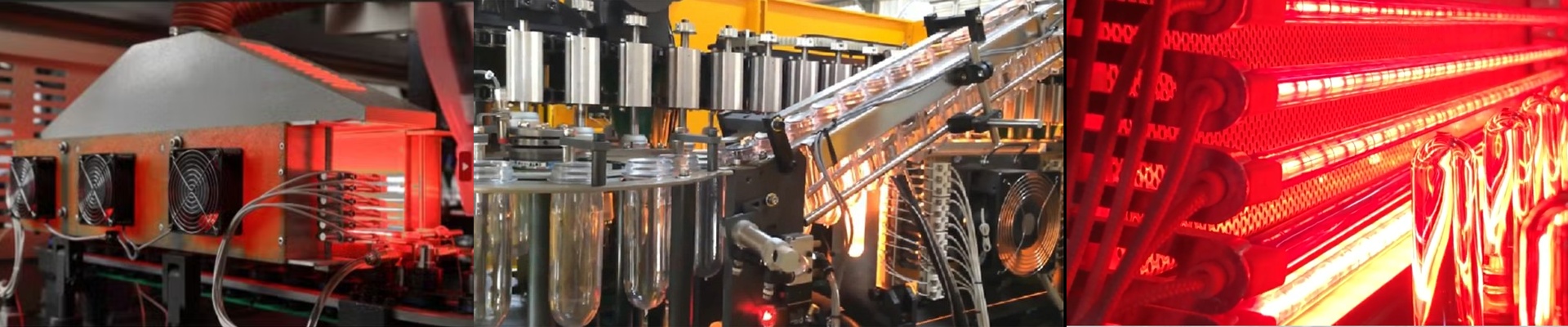
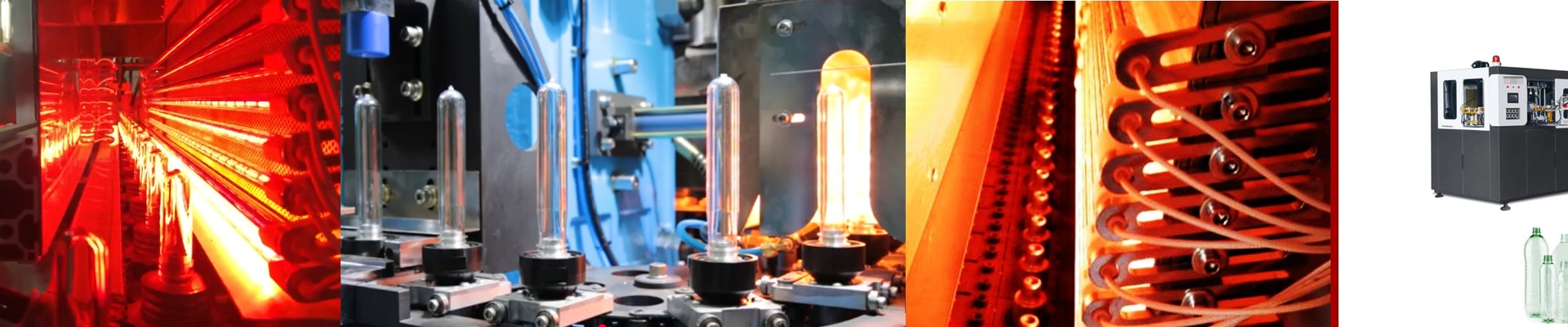
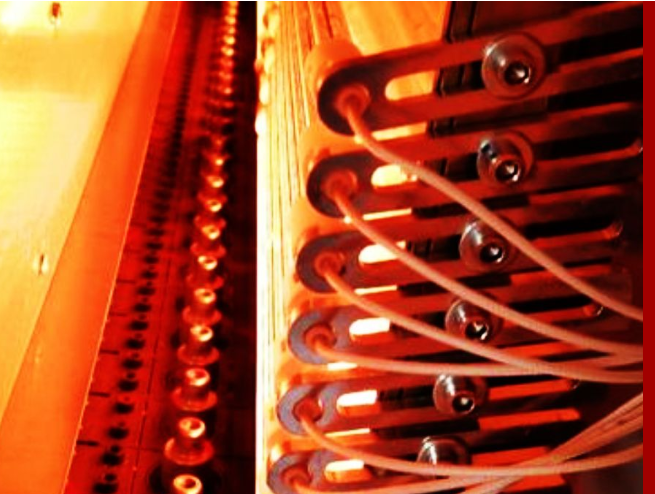
On the blow molding line, when an infrared heater goes down, the machine stops—fast. A dead quartz tube or halogen emitter doesn’t just kill heat. It kills preforms, kills time, and knocks your schedule sideways. More often than not, the weak link is the cable. It lives in high heat, flexes constantly on the blow molder, and gets hammered by the plant environment. Standard leads crack, lose power, and force unplanned downtime. What matters under the hood We build the silicon cable for infrared heaters to survive the heating tunnel, not just look good on a spec sheet. Conductor temperature is rated for continuous 300°C, and the strands are high-purity nickel-plated copper to keep resistance low. The jacket is high-temperature silicone, backed up with fiberglass braid and a high-dielectric insulation layer. Terminations are what you can actually use on the floor: R7s sockets, mica or ceramic terminal blocks, and lugs that match OEM connectors on Sidel, Krones, SIPA, Husky, SACMI, and Nissei ASB machines. Specs are straightforward: 1800–2400 W at 230 V or 120 V. We cut lengths to your tunnel geometry and spacing so the heater sits evenly across the preform. Why this holds up in stretch blow molding Preform heating has to be stable. If cable voltage drop climbs, emitter temperature drifts, and you start seeing inconsistent stretch, flash, or weak bottles. This cable keeps power stable, so your heating profile stays repeatable and scrap drops. It takes the heat and vibration of the blow molder, and the flex life means fewer replacements. Plants running this report fewer heater faults and steadier heating—fewer stops, more consistent output. A few practical notes Installation is simple, but alignment matters. Keep the cable clear of moving clamps and sharp edges, and route it with enough slack so there’s no tension at the connector. Double-check that voltage and wattage match your OEM heater. Mismatched specs will change temperature and cycle time. Yes, the upfront cost is a bit higher than basic cable. But it pays for itself by cutting downtime and reducing heater replacements.