Rapid-Response Halogen Infrared Heaters: When Seconds Are the Only Thing That Matters
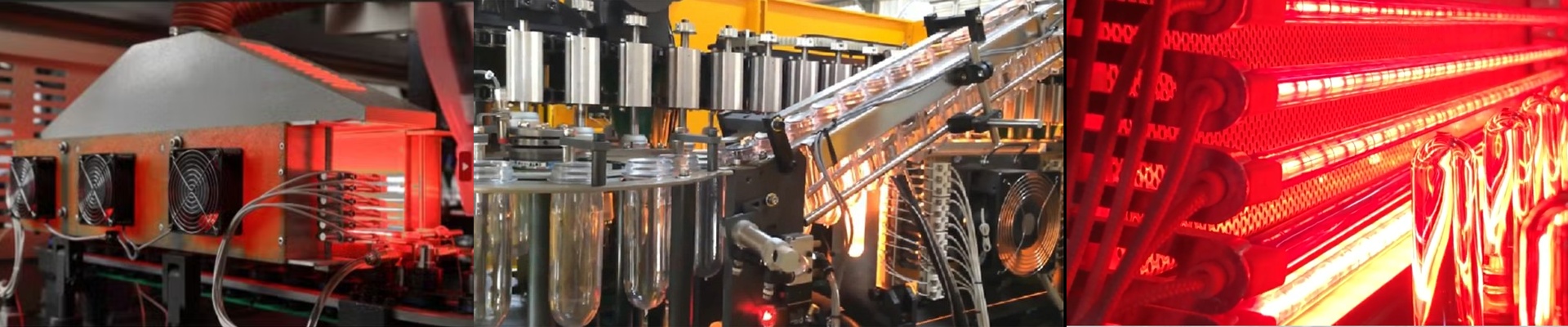
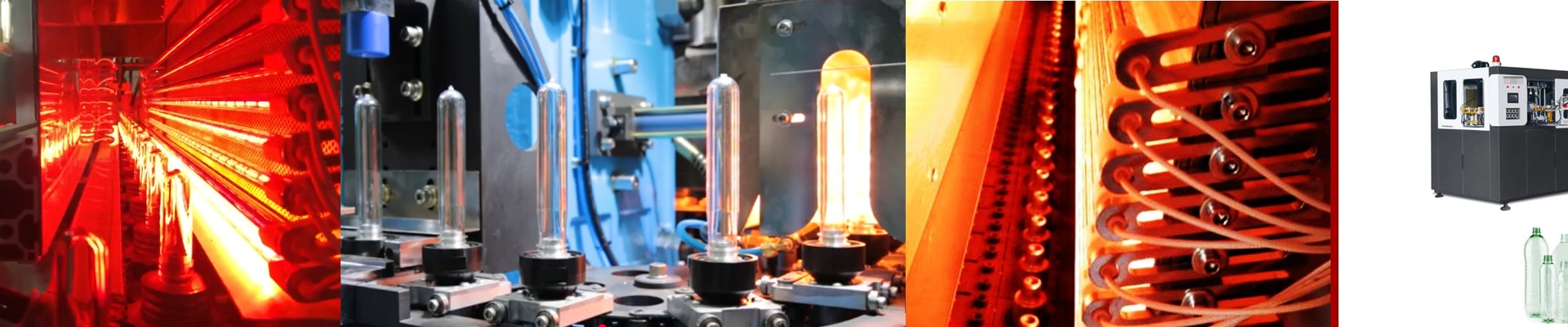
We built this heater for one reason, and one reason only: to kill the dead time. You know the feeling—standing around waiting for a system to warm up, watching the minutes tick by while production just… stops. We were fed up with it, too. So we ditched the old way and built a heater that gets right to work. It uses a halogen infrared emitter to deliver usable heat in seconds, not minutes. No more waiting. Just go.
Let’s Get into the Nitty-Gritty: Power, Voltage, and Heat
At the heart of this thing is a high-intensity halogen infrared tube, built for pure speed. It runs on a 400V supply, which packs a serious punch in a small space. Going with high voltage means less current is pulled. That makes the wiring simpler and puts less strain on your electrical components. It’s rated at 2500W, all focused into a 300mm length. That’s a lot of heat, aimed exactly where you need it: right on the heat bridge. It doesn’t waste energy warming the air around it. It’s direct, line-of-sight heating, laser-focused on the job. But here’s the thing: all that concentrated heat needs a solid cooling system. Without proper airflow or heat sinking, the unit itself will get hot, and the temperature inside the enclosure will climb.
The Details That Make It Last
The tube uses a halogen cycle to keep the filament strong, even when it’s running hot. This prevents the blackening that kills standard infrared lamps, so the output stays consistent for the life of the unit. The quartz envelope has a special coating, too. It’s designed to match the absorption profile of typical heat bridge materials, which means more of the energy gets transferred where it counts. And the connector? It’s an R7s base, a reliable industrial standard. It gives you a secure, low-resistance connection that’s easy to install. Plus, it holds the lamp steady, even in a shaky, vibrating environment.
What This Means for You on the Floor
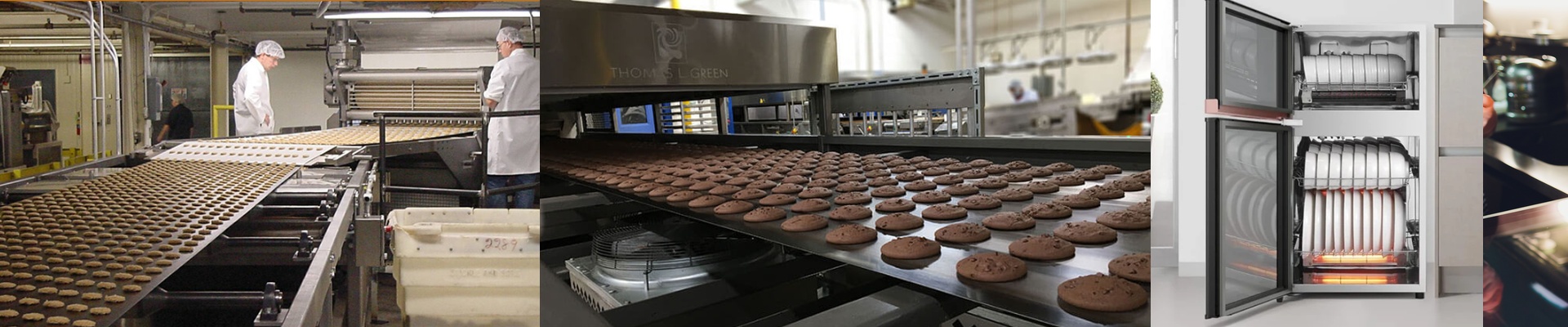
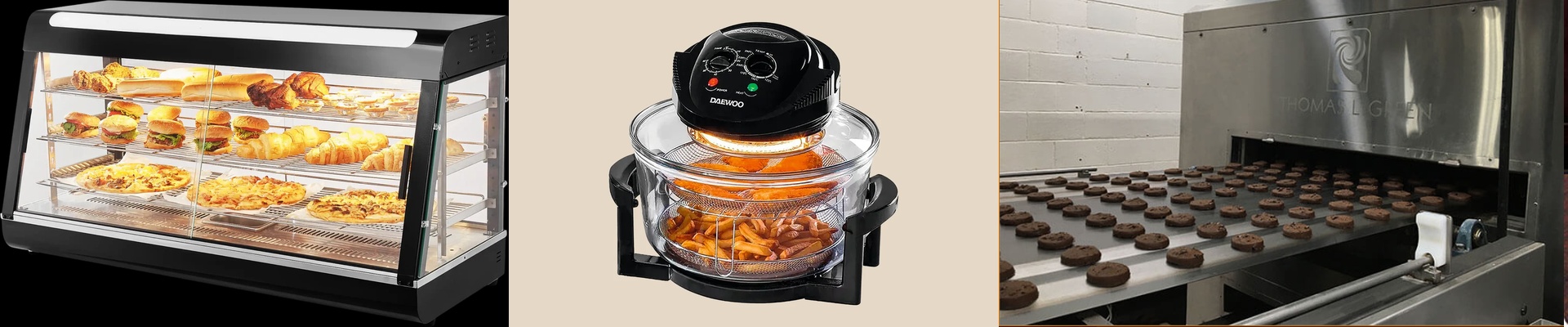
On the shop floor, this heater is a straight-up drop-in upgrade for any system using a heat bridge. The payoff is huge: you cut down your cycle time. You wire it up, and it hits the target temperature almost instantly. That waiting period between batches? Gone. You also use less energy because the system only draws power when it’s actively heating, not during those long idle stretches. For you, the engineer, it means a simpler thermal setup, lower operating costs, and a process that stays consistent. It’s a heater that can take a beating, turns on the second you need it, and shuts down without any lag.