Stepping out of a warm shower only to hit a cold, drafty dressing area is a rough way to start or end the day. You expect comfort, but the air hits you with a reminder of winter. A low-light infrared heater fixes that in seconds. It doesn’t waste time warming the air—it delivers radiant heat straight to people and surfaces, so the space feels welcoming almost immediately.
What matters under the hood
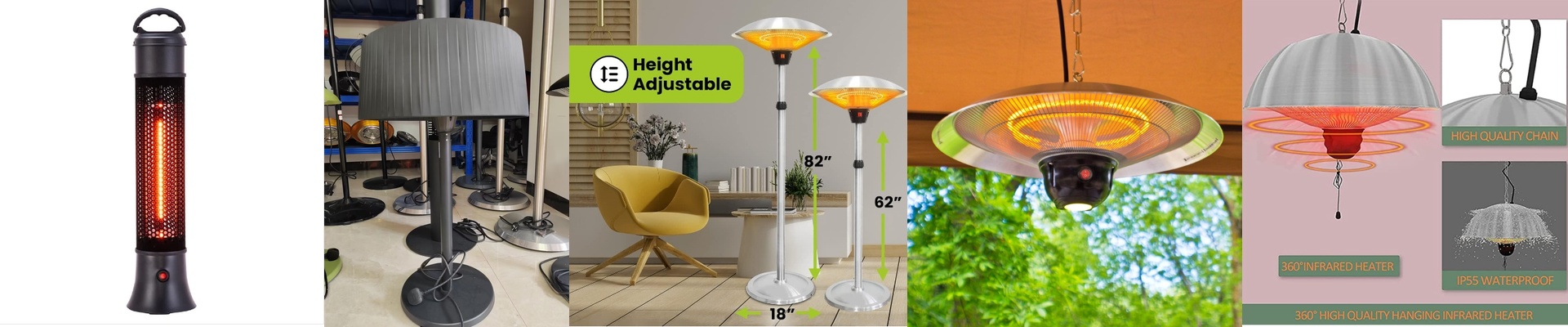
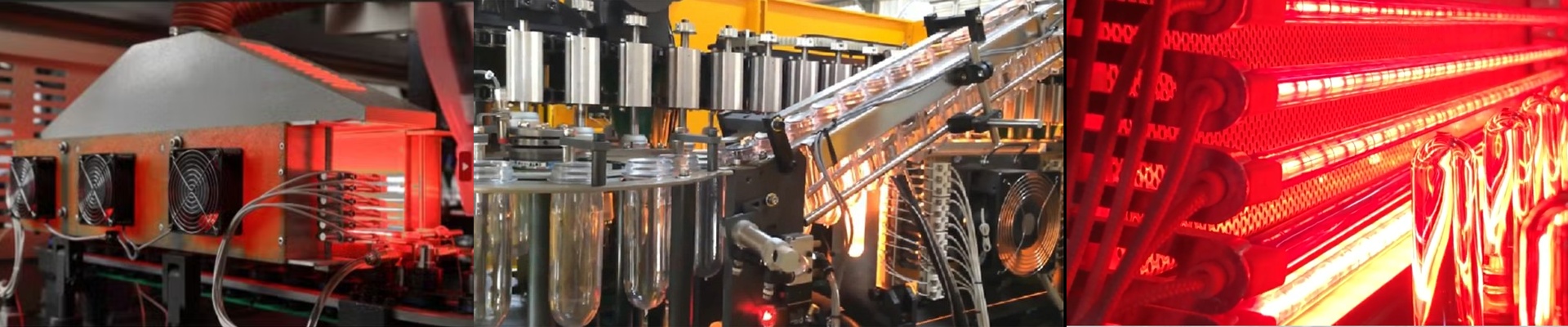
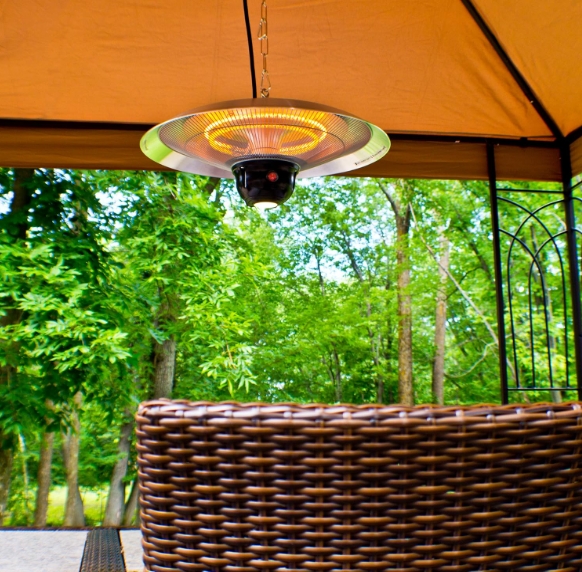
We built this around a low-light infrared element—usually a carbon fiber or quartz core—because it gives clean, directional radiant heat with minimal visible glow. No glare, just comfort. Heat-up is fast, often hitting target output within seconds, so you get warmth on demand instead of waiting around. Most models run on a standard 120V outlet and keep a compact footprint, so they sit close to mirrors and cabinetry without feeling crowded. Controls stay simple: an adjustable thermostat holds the temperature steady, and safety is covered with tip-over protection and an overheat cutoff that shuts things down if something goes sideways.
Why this is the right fit for a dressing area
A dressing area sees a lot of traffic—it’s where your day starts and ends, and comfort there sets the tone. With infrared warmth, the shift from cool to cozy happens in moments. No drafts. No stuffy air cycling. Just even warmth across the skin. That steady heat supports better circulation and helps muscles relax, which makes early mornings feel a lot more manageable. And because lighting matters in a dressing space, the low-light output is a practical plus: you get heat without harsh brightness, so the mood stays calm and polished.
What you need to know before you set it up
Installation is straightforward—plug it in, aim it so it radiates toward the main standing area, and set the thermostat. For best results, keep the heater at a safe distance from curtains, towels, and other textiles, and make sure it sits on a stable surface. If your dressing area is outdoors or exposed to moisture, pick a unit rated for outdoor use and confirm the IP rating matches the environment. In very cold conditions, pairing the heater with an insulated enclosure helps maintain comfort without pushing the element too hard.