Introduction
Forget everything you know about heaters that just blast out a fixed amount of heat and call it a day. We’re moving on from that. The future of industrial infrared heating is about equipment that’s actually paying attention. We built a smart infrared heater that does more than just generate warmth. It reads the room—literally—and adjusts on the fly. That’s the whole point behind our new, intelligent, environmentally adaptive unit.
The Tech, Without the Fluff
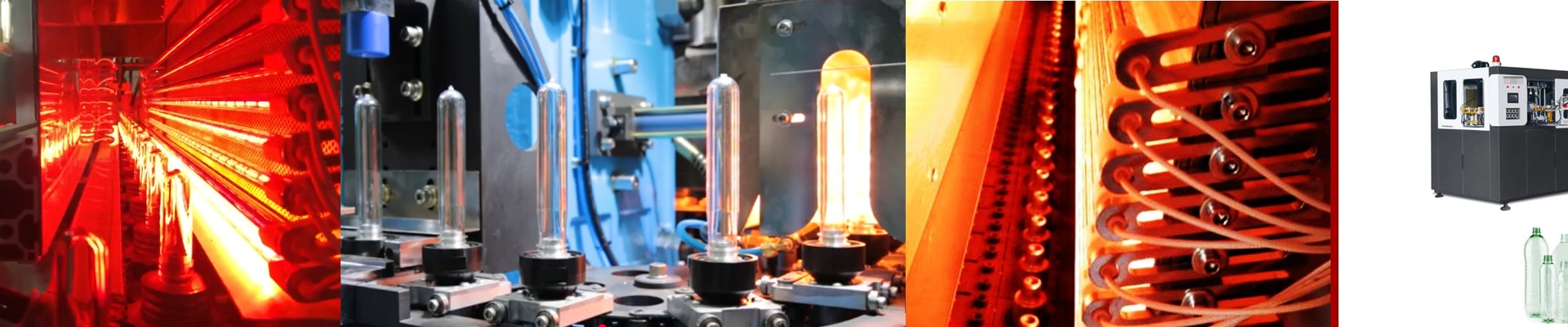
Here’s the heart of the system: a shortwave infrared lamp. We’re talking 2500W at 400V. This isn’t just a random number. It’s a sweet spot that packs a huge punch of heat into a small space, which means it heats up fast. The tube itself is 300mm long. It’s a careful choice—long enough to give you a solid radiant surface, but not so bulky that it takes over your whole machine line. It’s all about getting that focused energy right where you need it.
The Build: Built to Last
The heating element itself is a halogen-filled quartz tube. This design lets the filament run hotter and cleaner. In plain English? It starts up almost instantly and keeps the heat steady. Plus, the tube has a special reflective coating. This isn’t just a nice-to-have; it directs all that infrared energy forward, so you’re not wasting power on the sides. It’s all focused on the work surface. And for connecting it? We use the R7s two-pin connector. It’s the industry standard for a reason. It’s tough, handles the high current safely, and makes swapping it out on the floor a simple, tool-free job.
What It Feels Like on the Floor
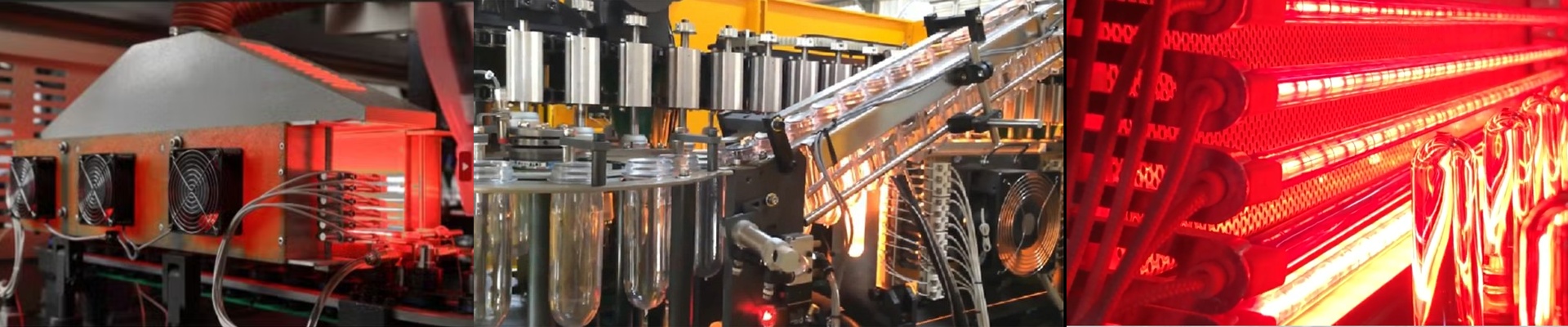
This heater is for engineers who want a replacement that just works, no fuss. It’s perfect for jobs that need fast, pinpoint heating—like plastic processing or drying out components. Now, when we talk about “environmental adaptation,” it’s not some fancy illusion. It means the unit has sensors that keep an eye on the surrounding temperature and what you’re trying to heat. It then tweaks its power output in real-time. The result? No overheating, no wasted energy. But here’s the honest part. With that kind of power density, your equipment’s cooling and electrical systems need to be up to the task. We’re giving you the power; you just need to make sure your setup can handle the ride.