High-Efficiency Infrared: The Smart Move for Commercial Energy Loads
Let’s talk about high-efficiency infrared heating lamps—the kind that are built to shrink a building’s energy use, not just warm up a room. For the folks running commercial properties, this isn’t about making spaces cozier. It’s a practical, engineering-driven call to cut the building’s total energy draw and make ESG reporting look better.
Technical Deep-Dive: Power, Voltage, and Heat Delivery
Here’s the beauty of infrared: it delivers heat directly. You aren’t wasting energy heating air that just leaks away the second a door opens. We’ve engineered these units to pack a lot of heat into a small footprint, and that’s where the electrical specs matter. A 400V setup lowers the current compared to lower-voltage options. That means less energy lost in the wiring and less strain on switchgear and cables. Paired with a 2500W rating, each heater gives predictable output per unit length. So you can size the system exactly right for the zone without going overboard on the circuit.
Material & Design: Halogen, Quartz, and the Right Connections
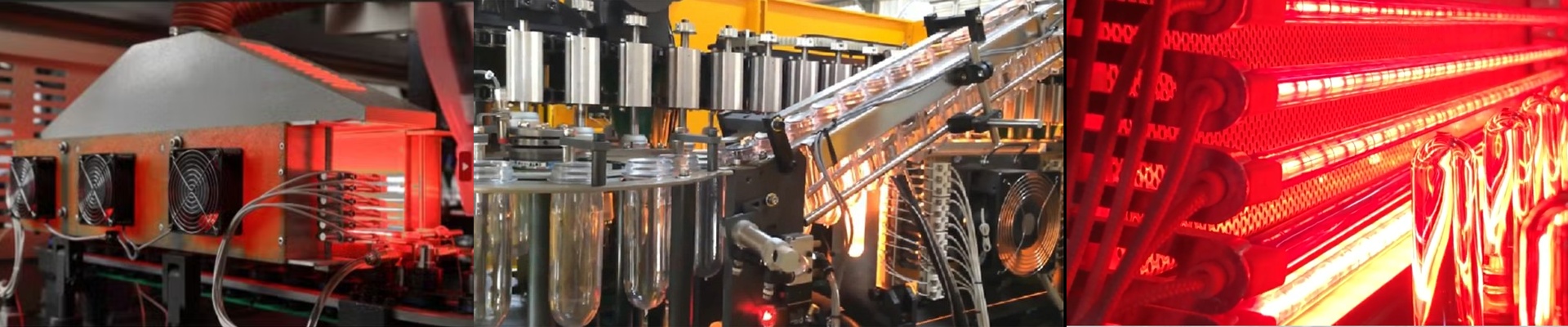
Inside, you’ve got a halogen-filled quartz envelope. The halogen chemistry keeps the filament performance steady, stopping early degradation and keeping the heat output consistent over time. The quartz tube is tough—it handles high temperatures and rapid heating and cooling without cracking. And for installation, the R7s base is the industry-standard connector for linear lamps. It gives you a secure, aligned electrical contact, and makes replacements quick and simple when you’re out in the field.
Application & Benefits: Lower Load, Better ESG, Easier Maintenance
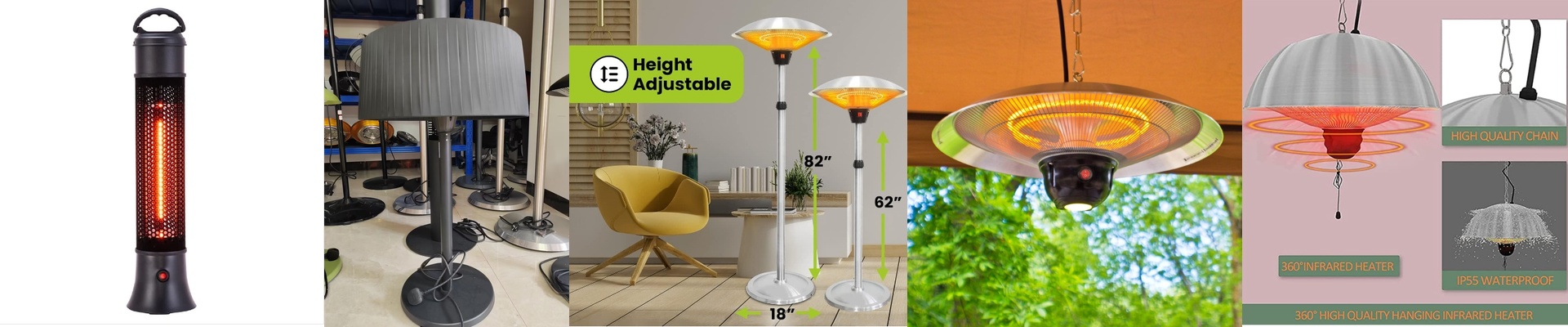
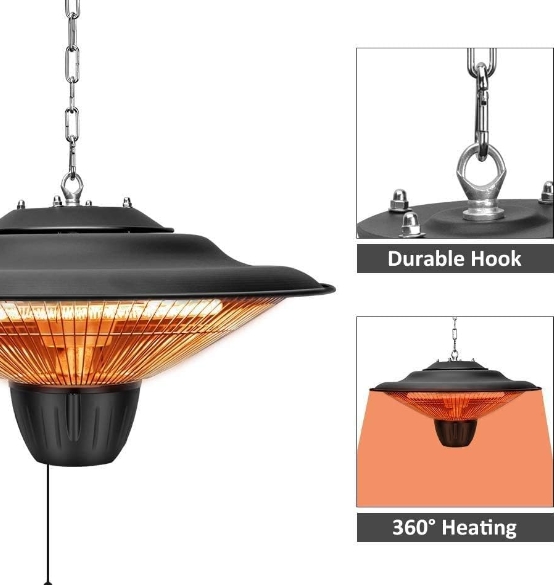
Think about outdoor or semi-enclosed commercial spots—building entrances, terraces, common areas. Running traditional air heating there can burn through money fast. Infrared heaters warm the surfaces and objects people actually touch, so you keep comfort levels up while using fewer kilowatt-hours. That drop in energy use directly supports lower carbon reporting and strengthens your ESG numbers. There is a trade-off, though. With high heat density, you need to plan the surroundings and controls carefully. The emitters get hot, so you need clearance and protective shielding, and the control system needs proper thermal management. But here’s the payoff: it’s a straightforward upgrade that lowers energy demand, cuts down on maintenance hassle, and gives your property a stronger sustainability profile.