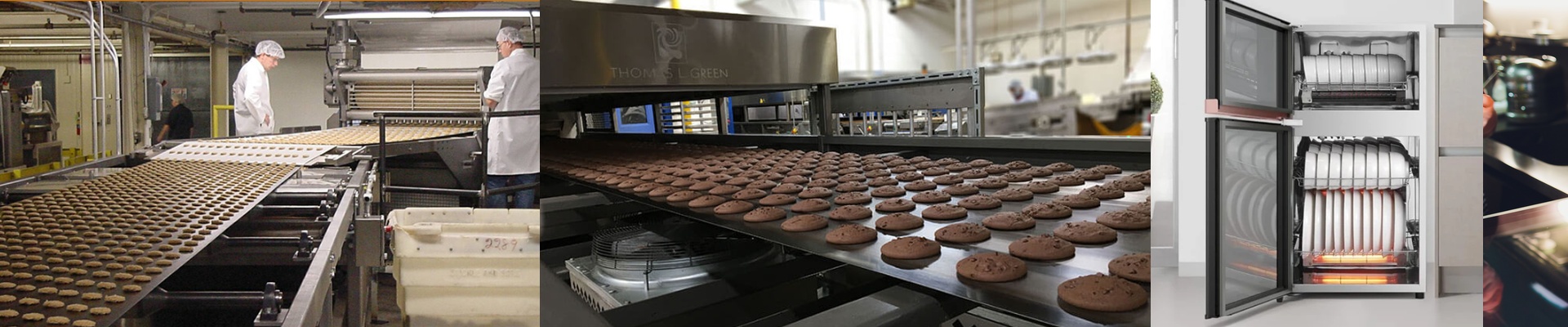
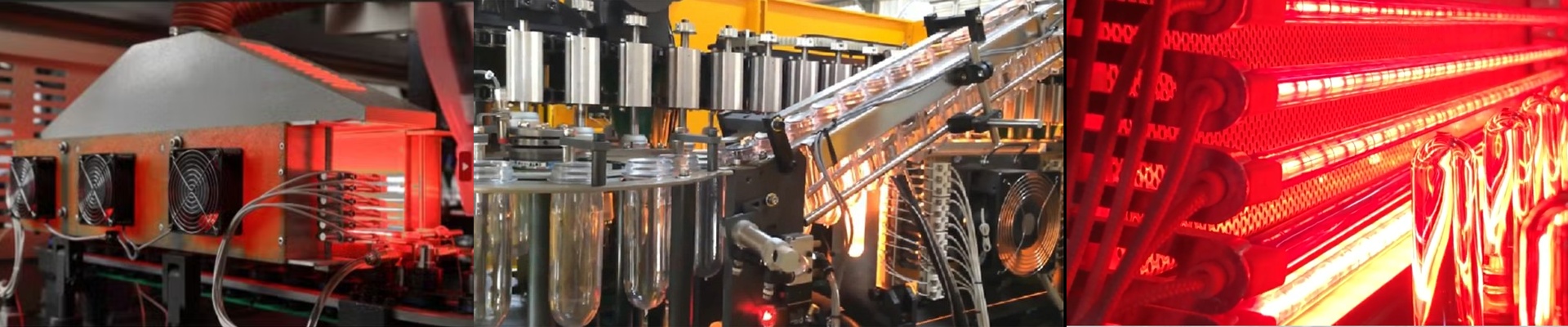



Stop Heating the Air, Start Heating the Bread
If you’ve spent any time around industrial ovens, you know the deal with those old resistive heating wires. They’re inefficient. They spend half their time heating up the air inside the oven before the dough even feels a thing. It’s a waste of time and a waste of money. We’ve found a better way. By swapping those wires for black ceramic radiant heaters, you stop relying on hot air and start using direct infrared radiation. How it actually works Think of these emitters as a more focused way to get heat where it belongs. They use a ceramic body mixed with materials that soak up and push out light. That black coating is the secret sauce—it boosts the emissivity, which is just a fancy way of saying the heater shoves more energy into your product and less into the oven walls. The result? You get a faster ramp-up and a crust that actually looks and tastes consistent every single time. The win for your electric bill With old-school wires, you’re stuck with long pre-heat cycles just to get the oven cavity saturated. It’s a slog. Black ceramic heaters are different. They hit your target temperature almost instantly. Because you aren’t paying to heat a giant box of air, your kWh consumption drops. The heat goes straight into the bread. It’s leaner, cleaner, and just makes sense for your bottom line. The “catch” (and how to handle it) The good news is that these are usually drop-in replacements. They don’t sag over time like those old metal elements do, even when you’re pushing high temperatures. But here’s the thing: you have to be smart about where you put them. Since radiant heat moves in a straight line, placement is everything. If you just slap them in without a plan, you’ll end up with hot spots. If the plates are too close to your trays, you’ll scorch the top of your loaf while the center is still raw. You’ll want to spend some time on your spacing and tuning your PID controllers. It takes a bit of patience to balance the load, but once you nail it, the difference is night and day.