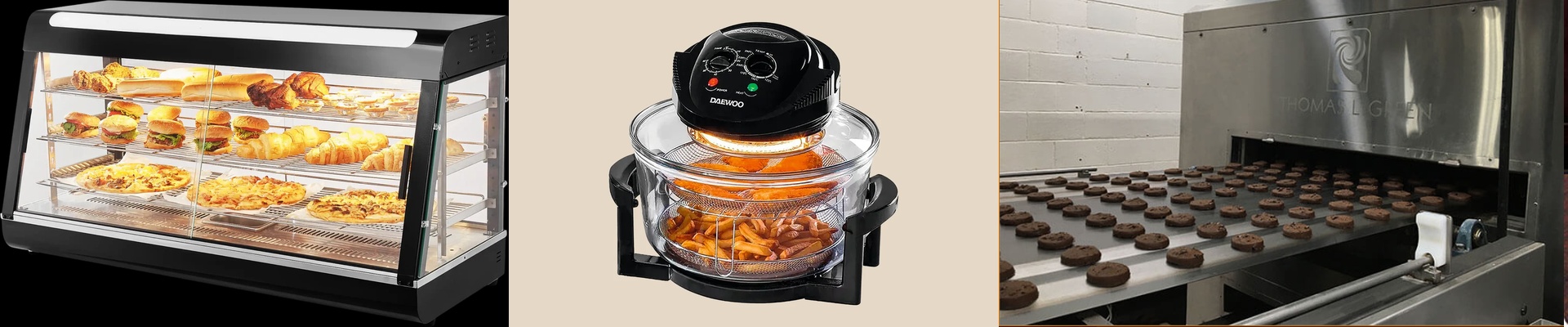
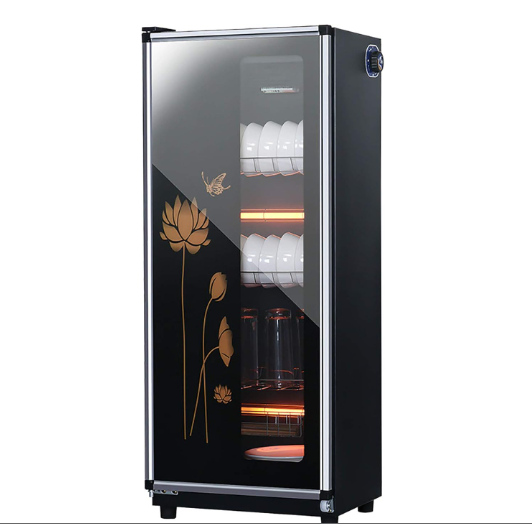
Fixing the “Cold Spot” Problem in Rotary Ovens
Let’s be honest: cold spots in rotary ovens are a nightmare. You pull out a rack of bread only to find the middle is still doughy while the edges are perfect. If you’re relying on just hot air, you’re fighting a losing battle. That’s why we started putting infrared (IR) heating elements right into the oven chassis. It adds a layer of direct heat that convection just can’t touch.
How the heat actually works
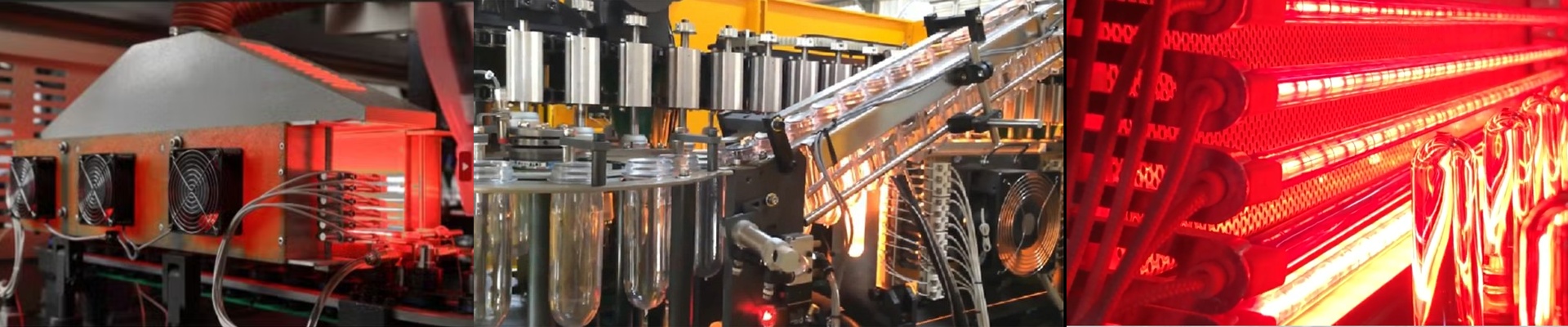
We don’t just throw one big heater in there. Instead, we use a bunch of quartz IR lamps arranged in a grid or a radial pattern around the rack. Here’s the magic: hot air takes time to move around. IR waves? They move in straight lines and hit the dough instantly. Because the rack is spinning, your pastries are constantly moving through these “heat zones.” It’s a steady, even bake. No one side gets blasted, so you don’t end up with those burnt, bitter edges.
The gear under the hood
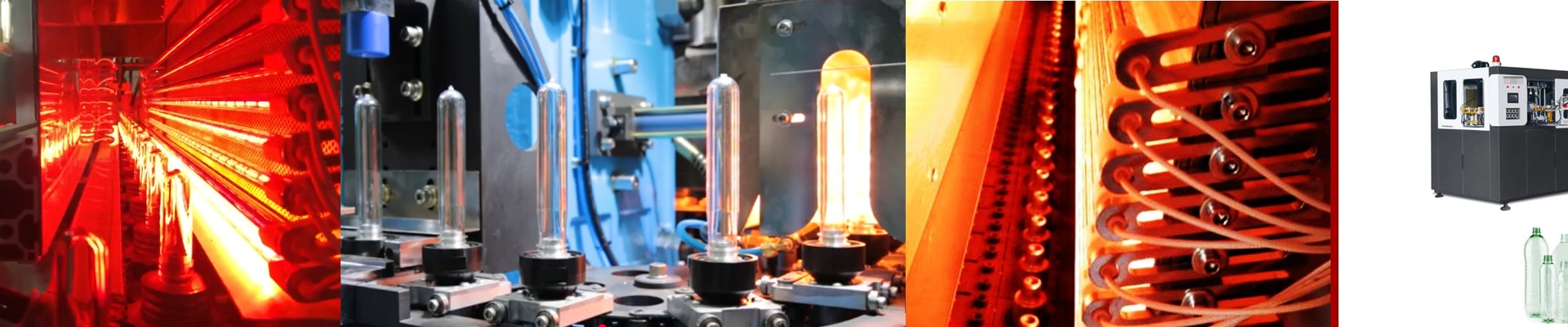
We usually go with short-wave quartz tubes. These are great because the heat sinks deeper into the dough, which gets the core temperature up way faster. If you look inside, you’ll see them wired up with R7s or SK15 connectors. We did that on purpose. Tubes eventually burn out—that’s just how they work—and these connectors make it a quick “pop out, pop in” job. But you have to watch your power density. High-wattage tubes pack a punch, but if your rack is spinning too slowly, you’ll scorch the outside before the inside is even warm. It’s all about finding that sweet spot between heat and speed.
The real-world trade-offs
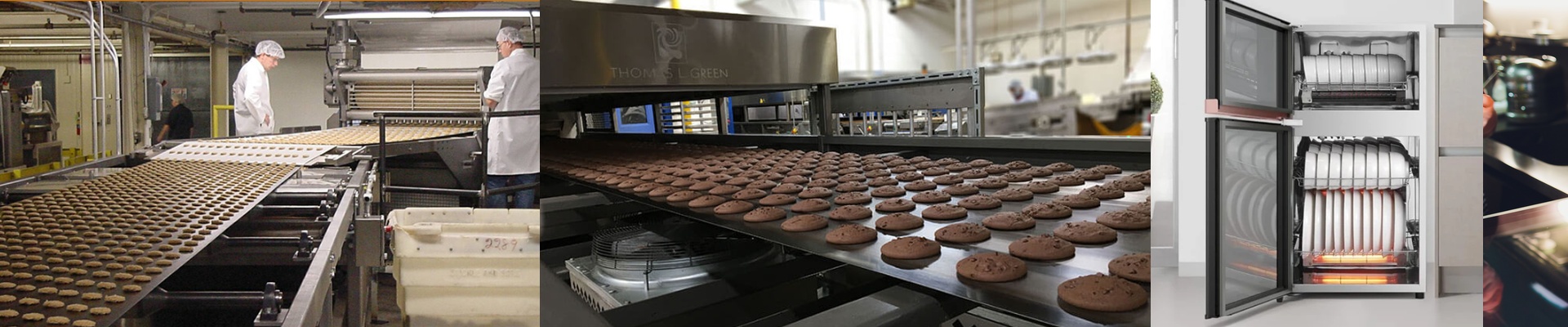
Now, IR is fast, but it isn’t a magic wand. You still need that airflow to handle the steam and humidity. Without it, you lose the texture. And a word of warning: quartz tubes are fragile. If your crew is a bit rough during the nightly scrub-down, those tubes will snap. It’s a headache you don’t want. We suggest adding some protective guards—just make sure they don’t block the heat from getting to the food.