

Why we’re switching to waterproof infrared heaters in the bathroom
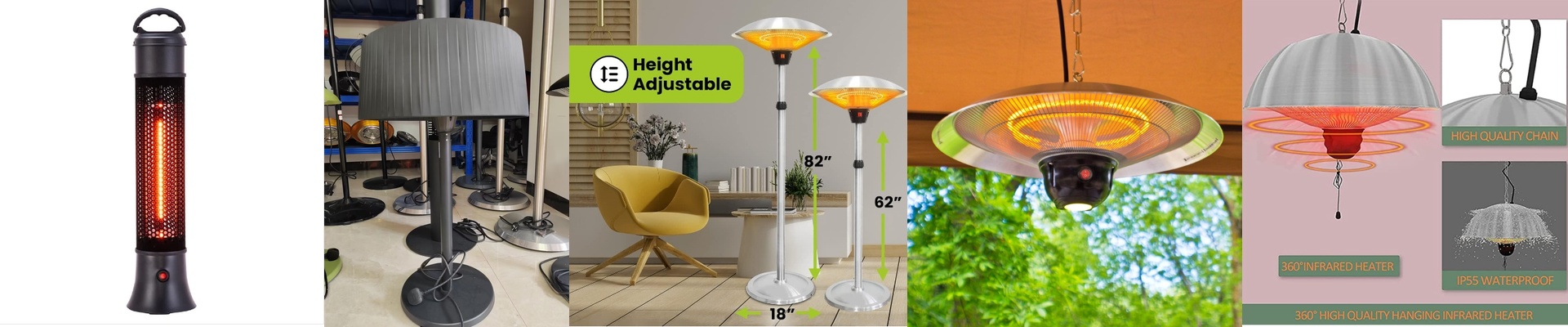
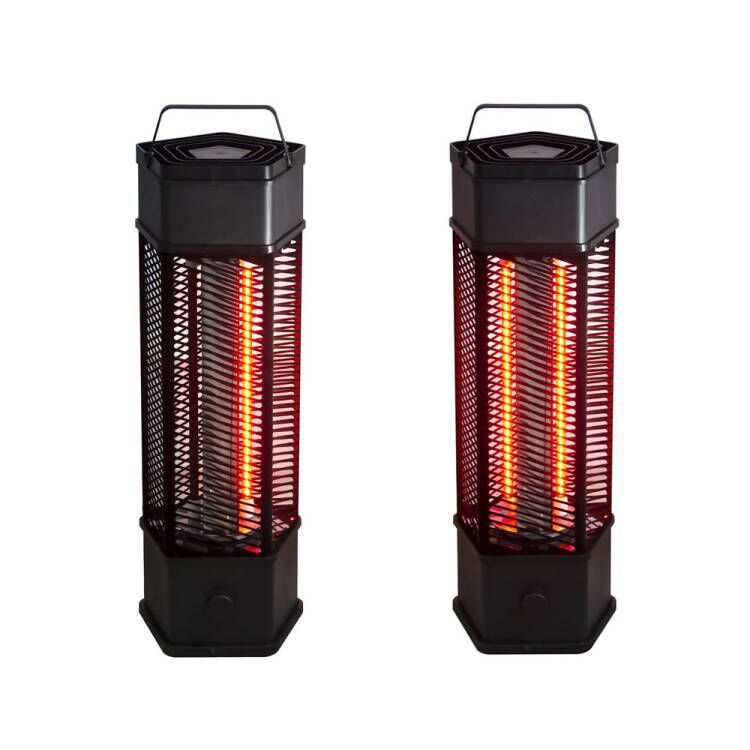
I’ve noticed a big change in how bathrooms are being spec’d lately. People are ditching those old-school halogen “light heaters” and moving toward high-IP rated infrared units. It makes sense. Moisture is a nightmare for electronics. In a steamy bathroom, those standard lamps tend to leak current or just burn out way too fast because condensation settles right on the terminals. It’s a recipe for a headache. The deal with those IP ratings If you’re looking at these heaters, you’ll see a lot of talk about “IP ratings.” In plain English? It just means the unit is sealed up tight. Waterproof infrared heaters use gasketed housings and sealed quartz tubes. Most cheap lamps leave the connectors—the R7s or Sk15 bits—totally exposed. Steam gets in, moisture settles, and suddenly you’ve got arcing. A proper waterproof unit seals those spots off, which stops the short circuits that usually ruin a budget installation. Heat that actually hits you Here is the best part: infrared doesn’t waste time trying to warm up the air. It warms the surface. Think about it. Trying to heat a room full of damp, humid air takes forever and wastes a ton of energy. Infrared waves just cut right through the moisture and heat you directly. We use short-wave emitters, so the second you flip the switch, you feel it. No waiting around in a cold towel. It’s instant. A few things to watch out for You can’t just swap these into an old fixture and call it a day. These units pull more current than a basic light bulb. If you don’t check your wiring first, you’re probably going to trip a breaker. If you’re putting in a few of these, I’d honestly just run a dedicated circuit to be safe. And keep in mind, while these seals are tough, they aren’t immortal. Humidity takes a toll. Every few years, take a peek at the gaskets to make sure they’re still tight. If a seal fails, the tube will burn out in no time. Just stick to the right voltage and wattage, and you’ll be set for a long while.