Introduction
Let’s get real. Out there on the factory floor, the power isn’t always pretty. It surges and dips. And those swings aren’t just a minor annoyance—they’re brutal on heating elements. They cause premature burnout and leave you with unpredictable heat. So we built our heavy-duty infrared heaters to take that beating. The heart of our design is a smart, built-in compensation system that keeps the heater humming, no matter how rough the power supply gets.
The Secret Sauce: Handling Real-World Voltage
We don’t design these heaters for a perfect, lab-clean world. We design them for the messy reality of the plant floor. That means they’re built to handle wild swings in voltage. The core of it all is a high tolerance for spikes—so the unit doesn’t just give up the ghost the first time the power surges. Here’s how it works. A circuit inside is constantly watching the incoming power and tweaking things on the fly to keep the power draw steady. So even if the supply voltage wanders, the heater pulls exactly the power it needs. When voltage spikes, the system clamps down on the excess, protecting the filament from being fried. When voltage dips, it holds the current steady, so the element stays hot and your process never misses a beat. This stability is huge. It cuts down on the constant heating and cooling—the very thing that kills most infrared elements.
Built to Last: The Materials That Matter
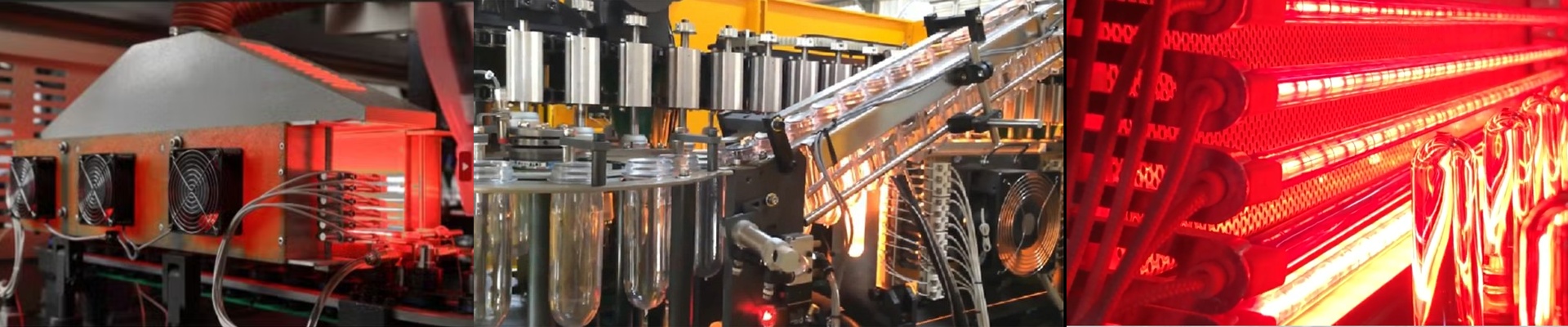
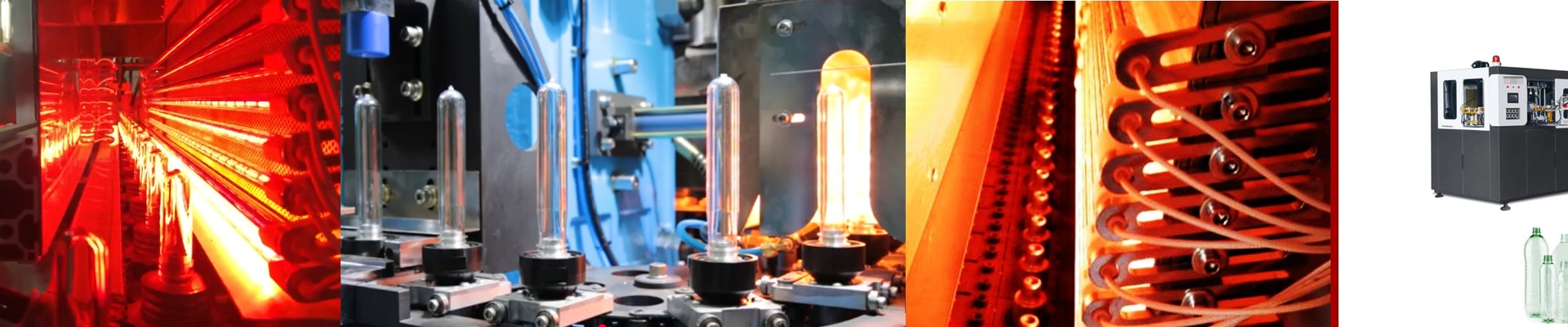
The heating element itself is a workhorse, wrapped in a halogen-filled quartz envelope. The halogen chemistry does something brilliant: it helps keep the filament healthy by redepositing evaporated material back onto the hot zone. This fights off thinning and those pesky hot spots that lead to failure. And the quartz body? It shrugs off rapid temperature changes. It’s built for thermal shock. The terminals are just as tough. They’re designed for real industrial wiring, with solid contacts that handle high current without overheating at the connection point. And the whole package is compact, so you can squeeze it into tight corners inside machinery or control panels.
What It Feels Like on the Floor
When you’re out there on the line, what this really means is uptime. You get a steady, reliable blast of infrared heat, so your temperature profiles stay consistent, shift after shift. That built-in compensation system means fewer late-night maintenance calls because elements are failing. And because it’s so rugged, you can put this heater in the tough spots—right next to moving machinery, in dusty environments, or anywhere the power supply is unpredictable. Now, there’s a trade-off. This high-voltage, high-tolerance design packs a serious punch of heat, which means you need to get the wiring and cooling right. But if you size the circuit protection and cooling to match the load, you get a heater that just works—predictably—even when the grid doesn’t.