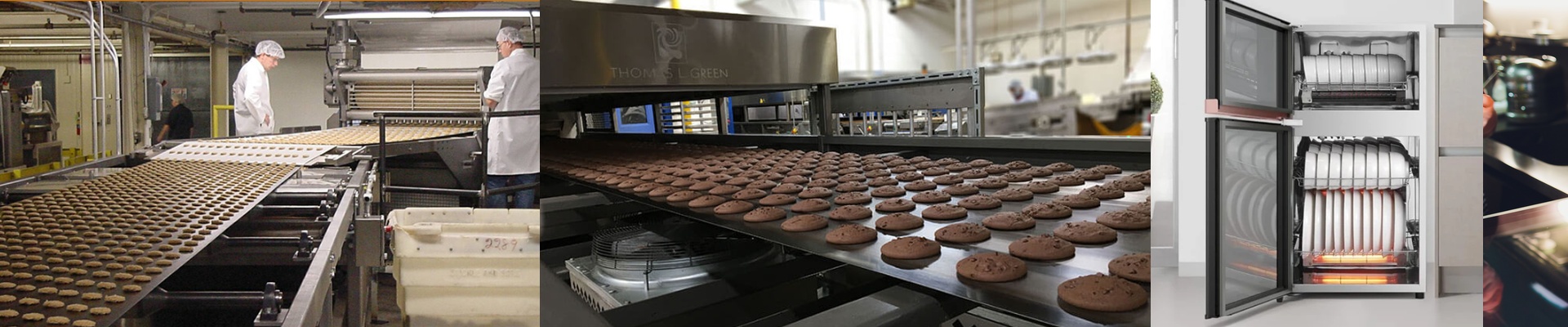
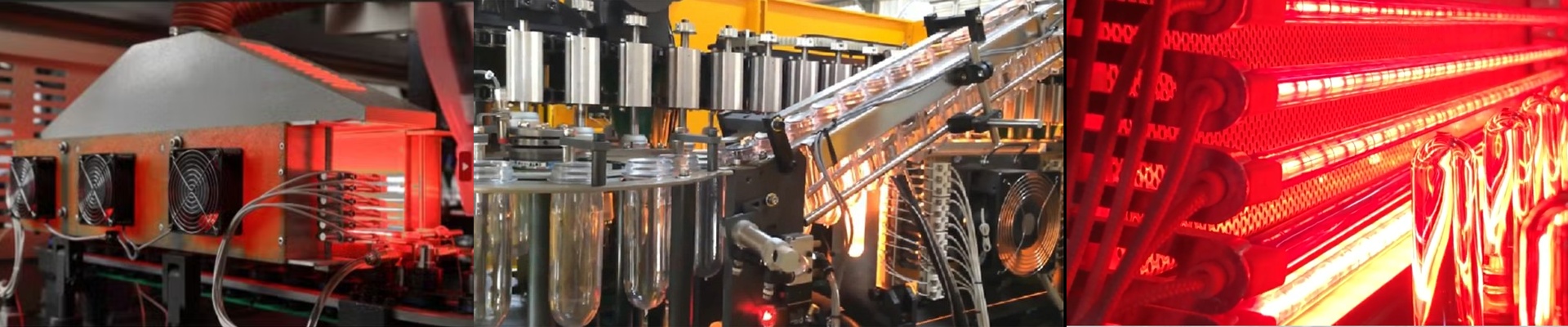
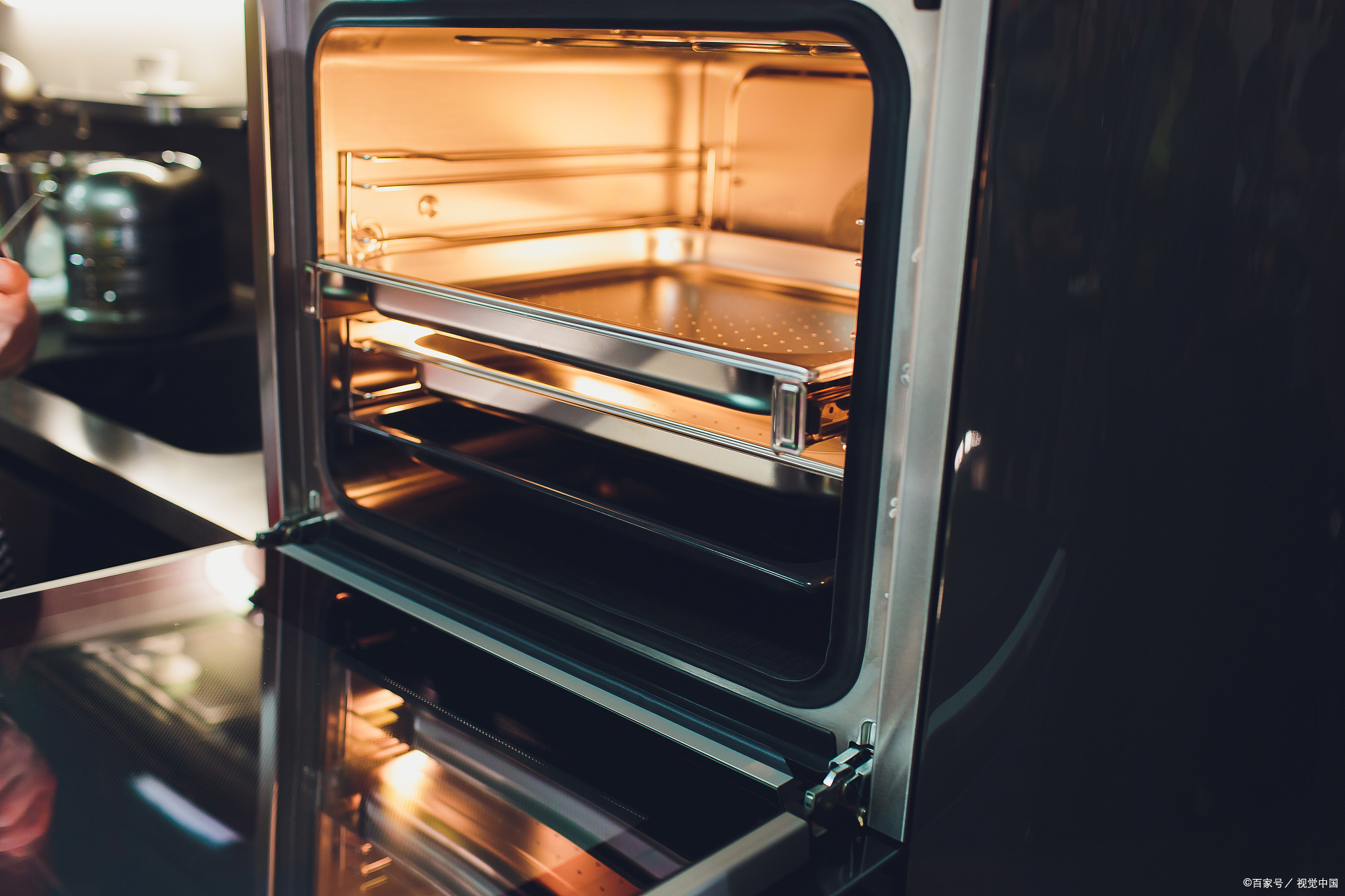
In a busy kitchen, heat is the difference between a clean pass and a jammed ticket window. When the tableware dryer takes too long to come up to temp, cycles drag out. When the heat is uneven, you get dishes that are damp around the edges and barely warm in the middle. You feel it in ticket times, and you see it on every plate that leaves the pass.
What matters under the hood
This 220V halogen element is built around a quartz envelope and a short-wave infrared profile that puts heat right where you need it. The 220V rating keeps it stable on standard commercial power, and the compact size sits tight inside tableware dryer housings. Energy goes into the load, not bleeding off into the frame. The filament geometry and reflector path shape a focused heat field that snaps to the thermostat’s call. Recovery after each batch is predictable, so you’re not guessing when the unit will be ready again.
Why this works in a tableware dryer
With halogen, you get speed without giving up control. The element hits operating temperature far faster than conventional heaters, so you stop waiting and start drying. Short-wave output penetrates water films and pushes evaporation across the whole rack. That means fewer wet spots and fewer re-runs. Faster drying turns into faster dish returns, steadier flow at the station, and lower energy use per cycle because the element isn’t idling.
The practical details you can’t skip
Halogen elements respond quickly, but they run hot at the surface. Make sure the socket and housing stay within rated temperature limits. Double-check the voltage at the terminal, and confirm there’s enough clearance so the element can’t contact racks or insulation. Handle with a dry cloth, wipe the quartz clean before powering up, and keep spares on hand. A quick swap during the rush keeps the line moving.