Keeping Things Safe with IP44 Infrared Heaters
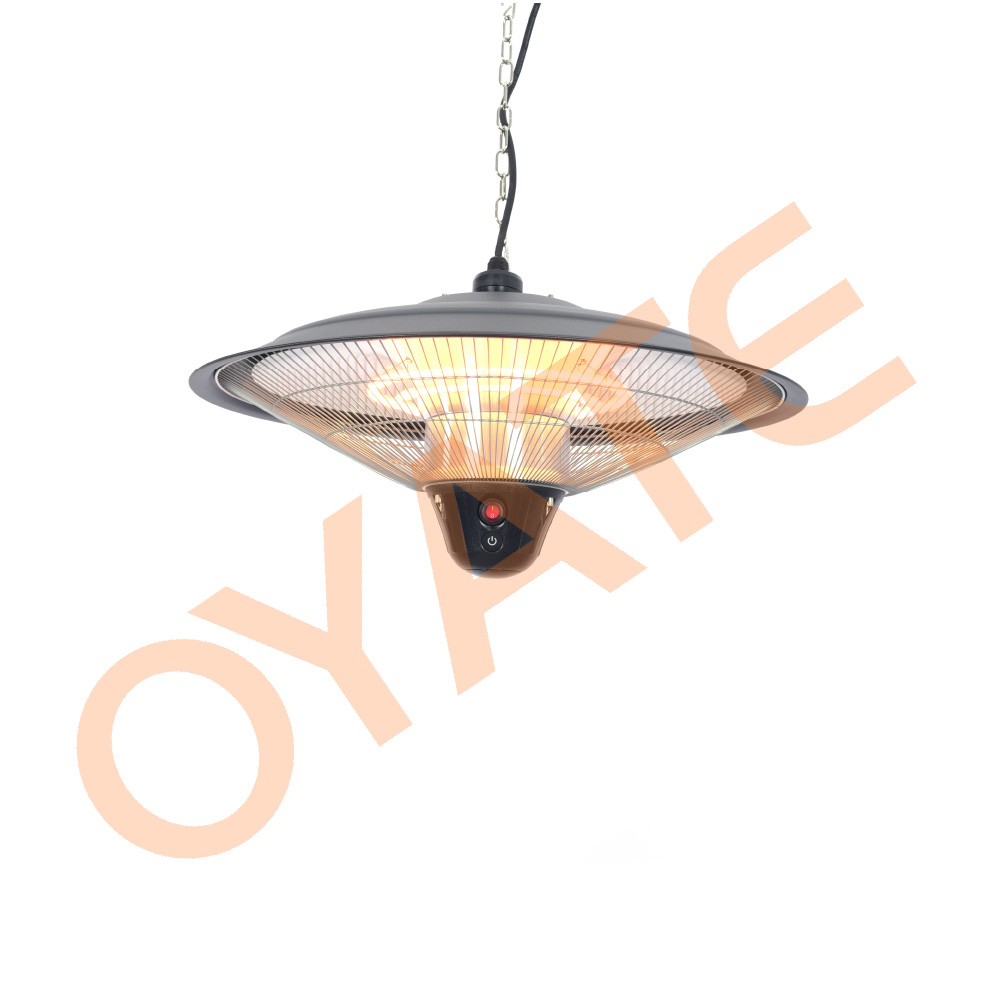
Putting infrared lamps in a bathroom or any place where things get steamy takes more than just a basic splash guard. Water vapor is tricky. It finds its way into everything, and when you mix moisture with electrical currents, things can get dangerous fast. That’s why we build our IP44 heating tables with a focus on keeping the electricity exactly where it belongs.
Dealing with the Damp
You’ve probably seen the IP44 label. Basically, it means the unit can handle splashes from any angle and keep small bits of debris out. But here’s the real-world problem: steam. In a hot bathroom, steam can sneak into a standard housing and cause a short circuit or fry the filament. To stop that, we don’t just “close” the box. We seal the terminal connections with silicone gaskets and moisture-resistant resins. It creates a barrier so condensation can’t bridge the gap between the live wires and the metal frame.
No Tingles, No Trips
Nobody wants to feel a “zap” when they touch a heater, and nobody wants their GFCI breaker tripping every ten minutes. To make sure that doesn’t happen, we use high-temperature ceramics and reinforced quartz glass. These act as a wall between the heating element and the frame. We also don’t cut corners on the wiring. Instead of a single layer of plastic that might get brittle and crack, we use double-insulated cabling with a composite jacket. It handles the constant heating and cooling without breaking down. Just a pro tip: make sure your grounding wire is bonded directly to the main earth rail. It’s the best way to ensure any fault current skips the user entirely.
The Trade-off
There is a catch with sealed systems. When you tighten everything up to keep water out, you also stop the air from moving. Since the housing is tighter, heat builds up around the internal wires much faster than it would in an open fixture. This is where you have to be careful with your thermal cut-offs. If you cram too much wattage into a small, sealed space, you’ll eventually melt the wire insulation. It’s all about balance. You want the heat, but you have to give the housing enough room to breathe so it doesn’t cook itself from the inside out.