Does a faster response actually save energy?
When you’re dealing with industrial bread warming, there’s this common assumption that if you want things to heat up fast, you just have to crank up the wattage. Most engineers think that’s the only way to do it. But here’s the thing: it’s not about how much power you throw at the problem. It’s about getting rid of the “lag.”
The problem with “heavy” heat
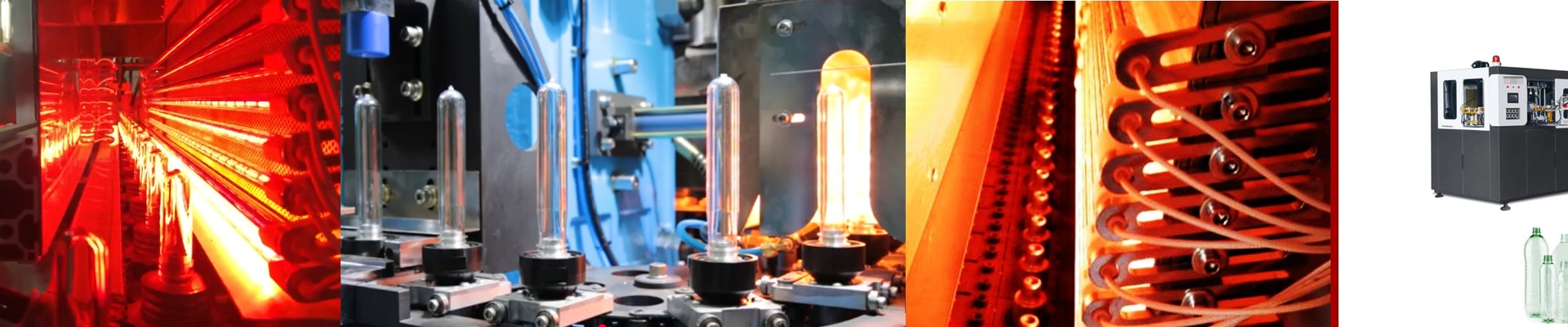
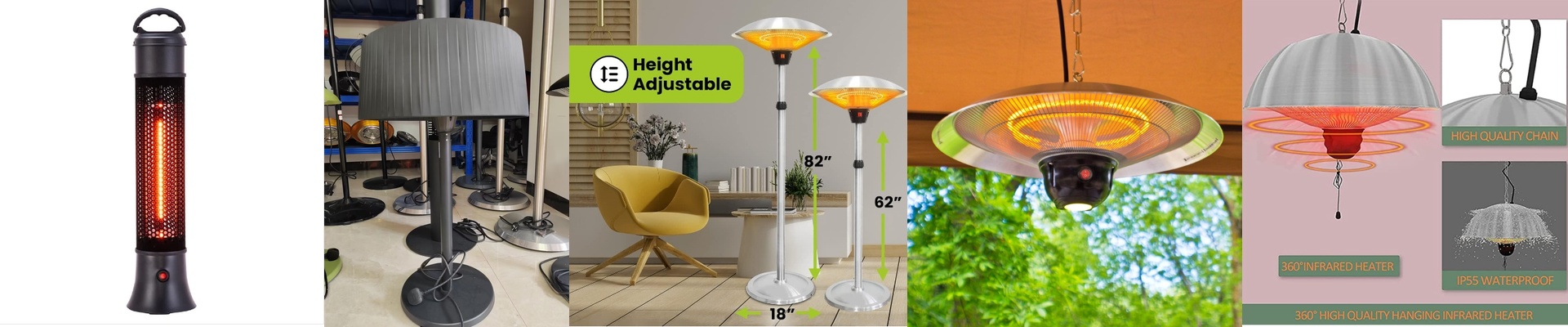
Most standard heaters are slow. They rely on convection or big, heavy masses of metal that take forever to warm up—and even longer to cool down. We do things differently. We use short-wave infrared (IR) emitters. Instead of waiting for the air to get hot, the energy travels as radiation and hits the bread almost instantly. The real magic happens when the PID controller tells the heater to stop. An IR heater shuts off nearly the second it’s told to. You aren’t wasting electricity keeping a massive metal chassis glowing red long after the timer has hit zero. It stops the “overshoot”—that annoying spike in temperature that happens with traditional ovens.
The nuts and bolts
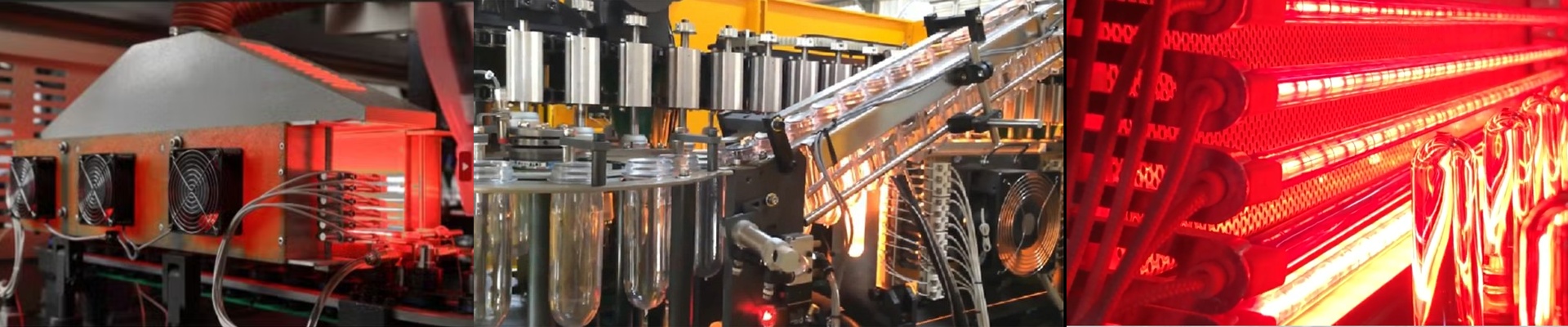
To make this work, we use quartz or halogen-filled tubes. These things are incredibly snappy; the filament hits peak temperature in a fraction of a second. We pair them with high-frequency switching circuits to keep the temperature window tight. One word of caution, though: watch your power density. If you put a high-wattage tube in a tiny space, it puts a lot of stress on your reflectors and the oven housing. If your ventilation isn’t up to the task, that ambient heat will soak into your wiring and fry it over time. Don’t skip the airflow.
What this looks like on the shop floor
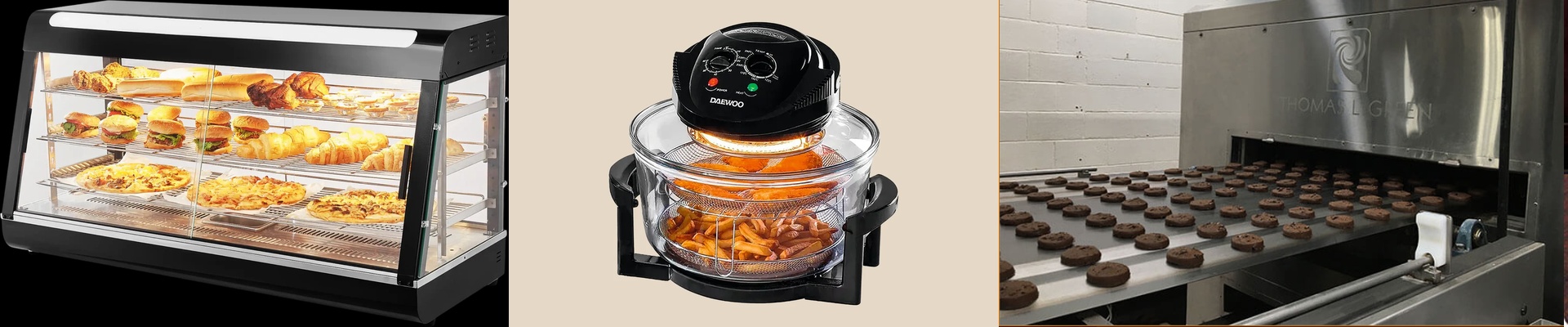
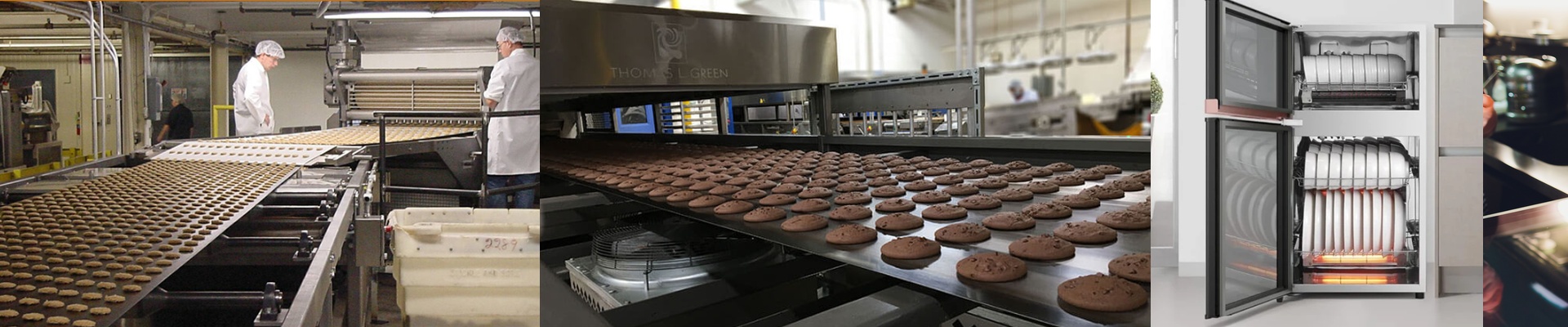
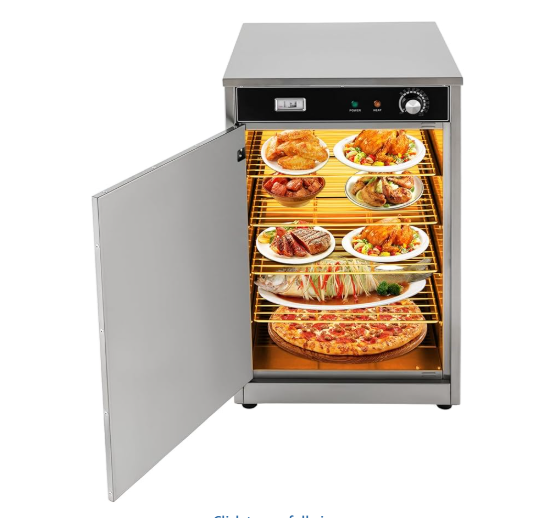
If you’re warming bread, this means you can hold a steady 60°C without those temperature “swings” that ruin a good crust and dry it out. You can usually just swap these in for your old resistive coils. You’ll notice the kWh drop on your bill because the heater only kicks in when the sensor actually feels a dip in temperature. It’s just a leaner, smarter way to handle heat.