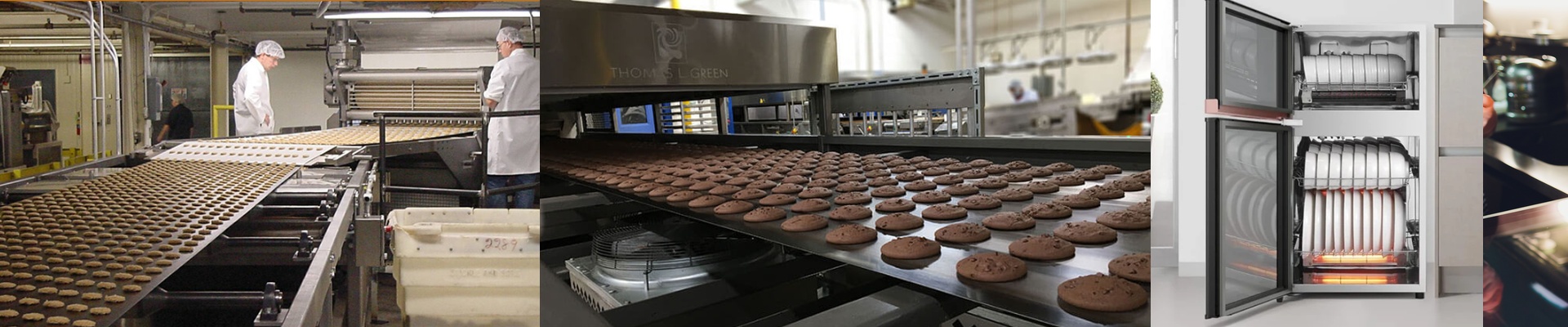
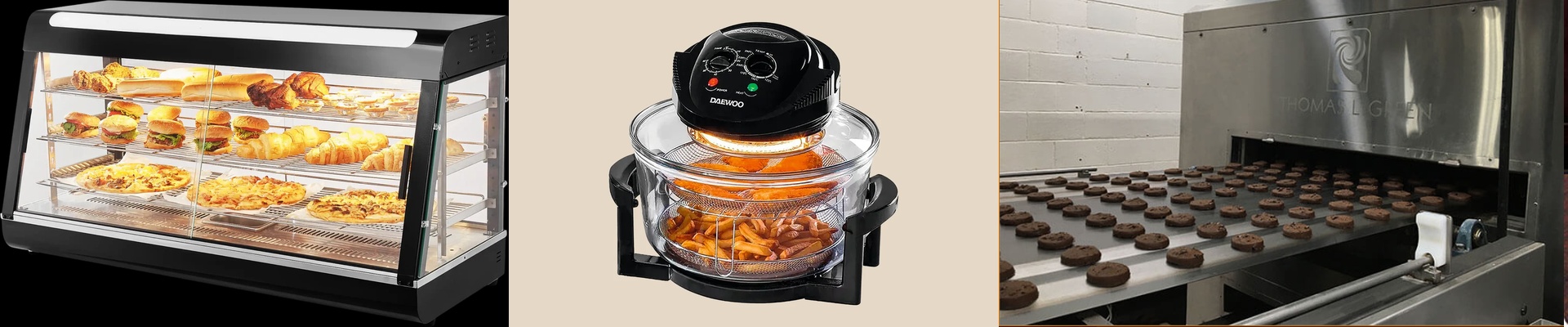
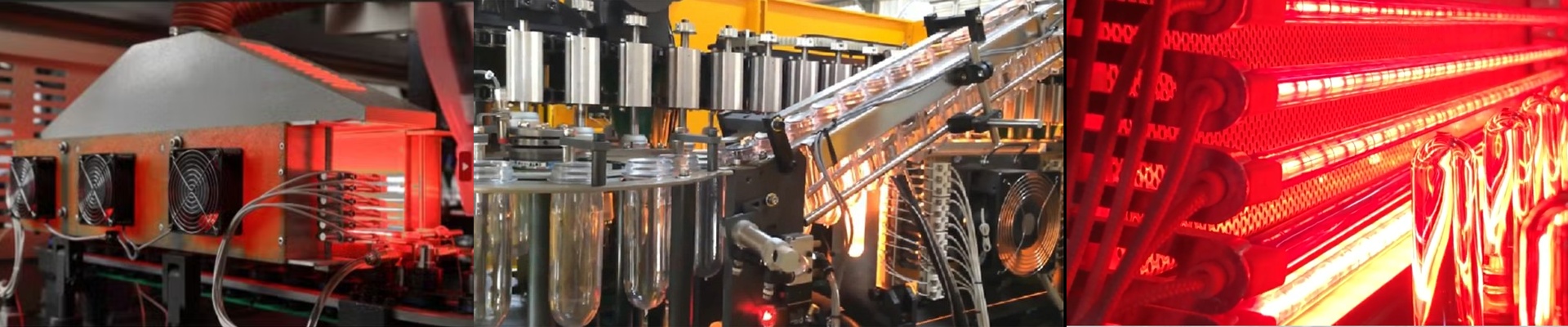
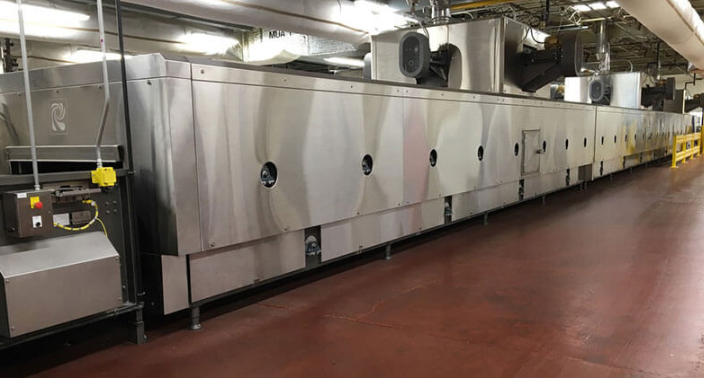
When service hits the fan, your deck oven, rotary oven, or convection cell can’t afford a slow warm-up or uneven heat. Hot spots scorch the crust while cold zones leave dough underbaked, and an oven that can’t recover fast enough drags the whole line down. That’s where infrared tubes earn their keep.
What’s actually happening, technically
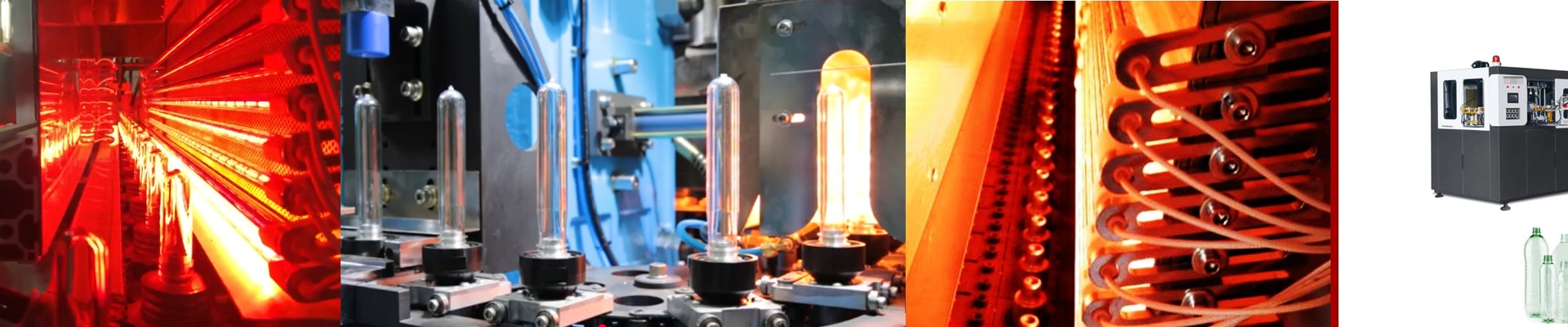
An IR tube heats by direct radiation, not by trying to warm the air first. The filament comes up to operating temperature in seconds, so the baking chamber gets heat the moment you flip the switch. You get near-instant response and tighter temperature tracking than you do with conventional elements. The output stays focused and even along the length of the tube, laying a consistent radiant field across the stone hearth or pans. Many IR tubes run on standard voltages and mount with industry-standard clamps and terminals, so spec’ing them for a replacement or upgrade is straightforward.
Why this matters in a real kitchen
In a busy kitchen, time is heat. IR tubes cut preheat time, snap back faster after the oven door opens, and hold setpoint with less overshoot. On a pizza stone or bakery deck, that translates to more consistent crust color, better blister, and fewer throwaways from underbaked centers. Because the energy goes straight into the load, you often use less total energy per bake cycle, and the cabinet stays cleaner—radiant heat cuts down on grease baking onto surfaces. For disinfection cycles, that same direct radiation brings surfaces up to temperature quickly, helping you hit sanitation targets without soaking the oven interior.
The details that bite you if you ignore them
IR tubes perform best when they’re matched to the oven cavity and how you load it. Clearance to the hearth, pans, and walls matters—get it wrong and you’ll create hot spots or uneven coverage. In high-moisture environments, element wear accelerates, so keep spares on hand. Always double-check voltage, watt density, and mounting dimensions before ordering. If you’re sourcing on eBay, confirm the listing includes the connector type, terminal block rating, and protection class—otherwise you’re rolling the dice on fit.