

Stop Fighting Your Rotary Oven: The Secret is in the Tubes
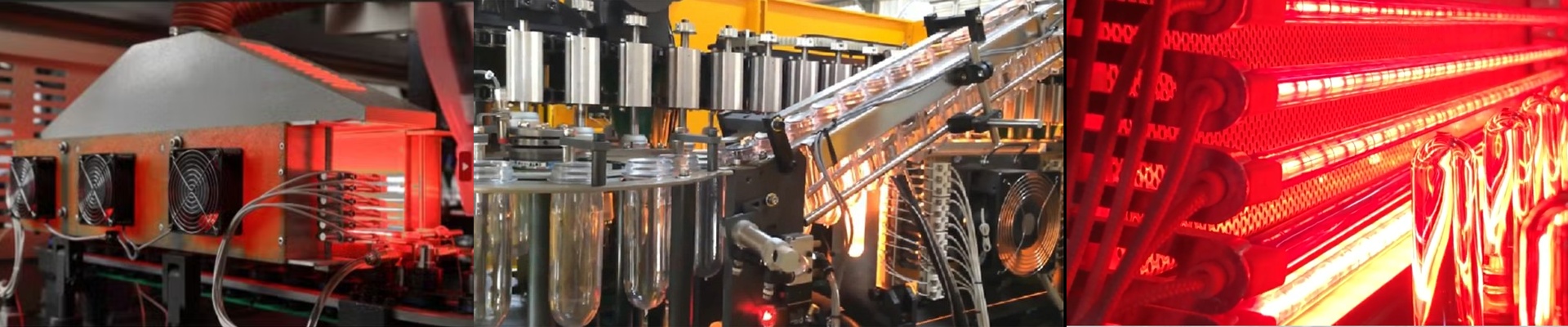
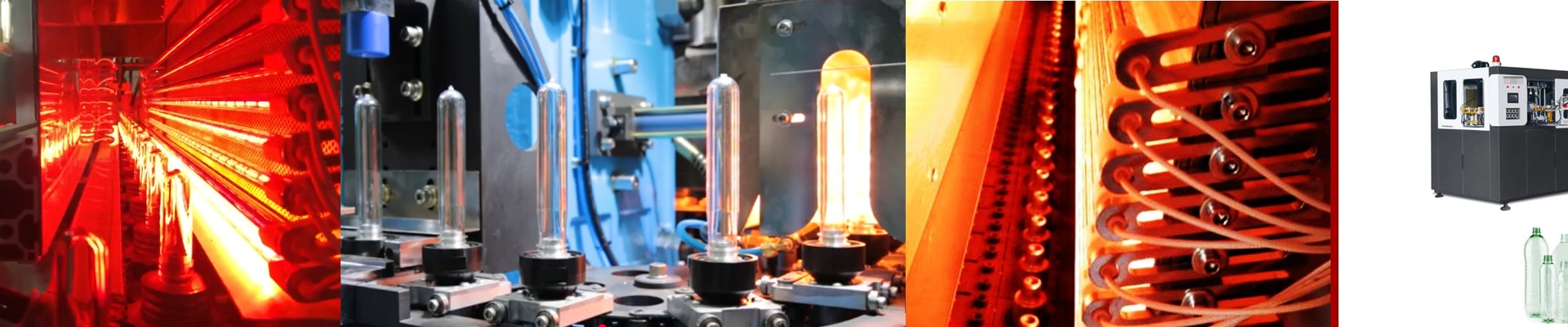
Ever feel like your rotary oven just isn’t hitting the mark anymore? You keep cranking the dial, but the temperature stays stubbornly low. Most people assume the whole machine is dying. Usually, it’s not. It’s just the heating elements. Standard, off-the-shelf bulbs are fine for some things, but they often lack the punch needed for older machines or heavy loads. That’s where we come in. We build infrared tubes specifically for your oven’s footprint, so you aren’t trying to force a square peg into a round hole. The nitty-gritty on heat Here is the thing: heat is a balancing act between voltage, wattage, and length. If we use a higher voltage, we can cram more power into a shorter tube without melting the filaments. If you’re running a high-capacity line, you need that extra density. But a word of caution—pushing massive wattage into a small space puts a lot of stress on the quartz glass. You’ve got to make sure your airflow is on point. If the heat can’t move, the tubes will pop prematurely. Simple as that. Materials that actually work We stick with high-purity quartz glass because it lets the IR light through without fighting it. Depending on what you’re baking or drying, we can add specific coatings. This is a big deal because it changes how the heat hits your product. Instead of just scorching the outside and leaving the middle raw, the heat actually sinks deep into the product. As for the plugs? We use standard R7s or SK15 connectors. They just slide right in. You won’t have to spend your weekend rewiring a control panel or hacking away at lamp sockets. Plus, we build them to handle the constant shaking and vibration of a loud factory floor. They’re tough. Getting your heat back Swapping out those old, tired lamps for custom tubes basically breathes life back into your machine. Those annoying cold spots in the rotation? Gone. Since we match the exact dimensions and electrical load of your old gear, it’s a direct fit. Just one tip: keep an eye on your power supply. Voltage spikes are the enemy here. Even the best custom tube in the world can’t survive a nasty power surge.