
Stop Waiting on Your Drying Cycles
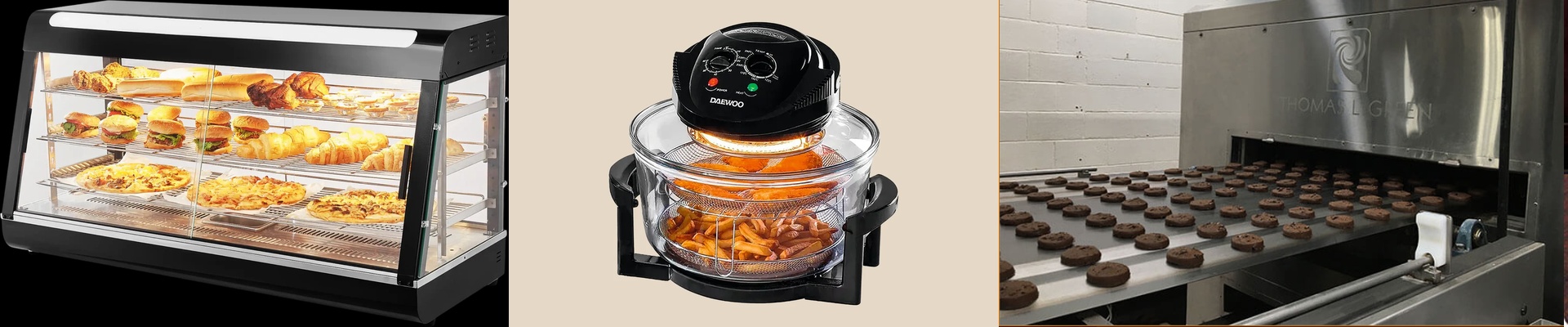
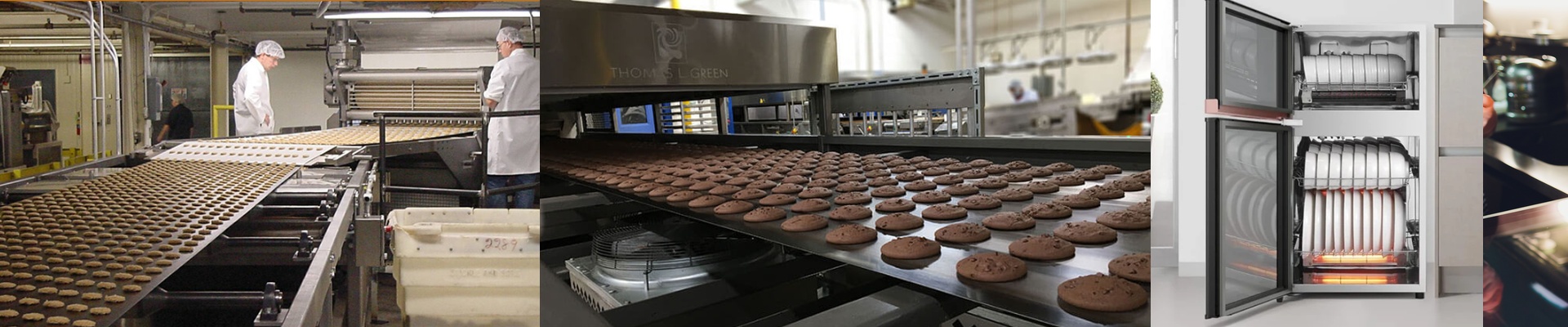
Ever feel like your production line just hits a brick wall at the drying stage? It happens. Most people rely on standard convection heating, but that’s a slow process because you’re basically spending all your energy warming up the air first. We do things differently. By using infrared (IR) lamps, we skip the air entirely. The energy goes straight into the part you’re actually trying to dry. It’s a simple shift in physics, but it’s the secret to slashing your cycle times and actually keeping your line moving.
Heat that hits hard and fast
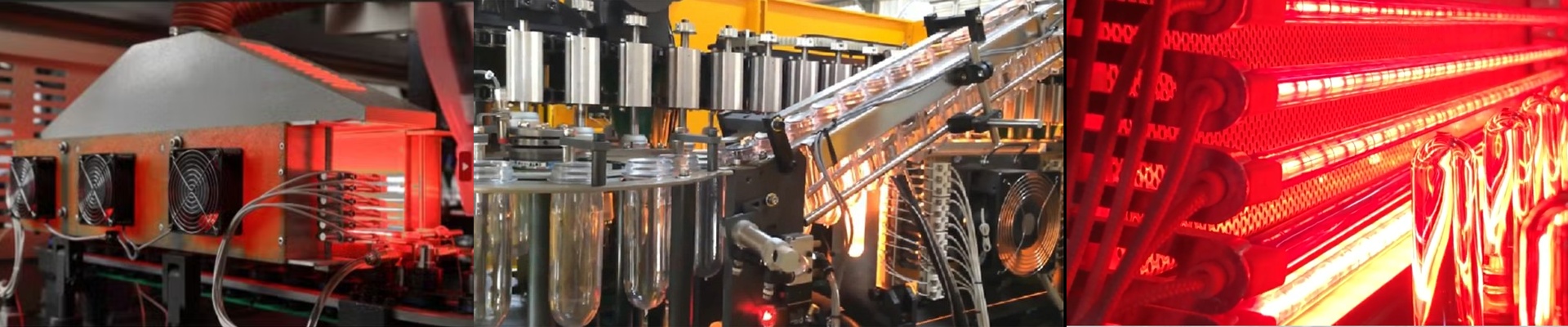
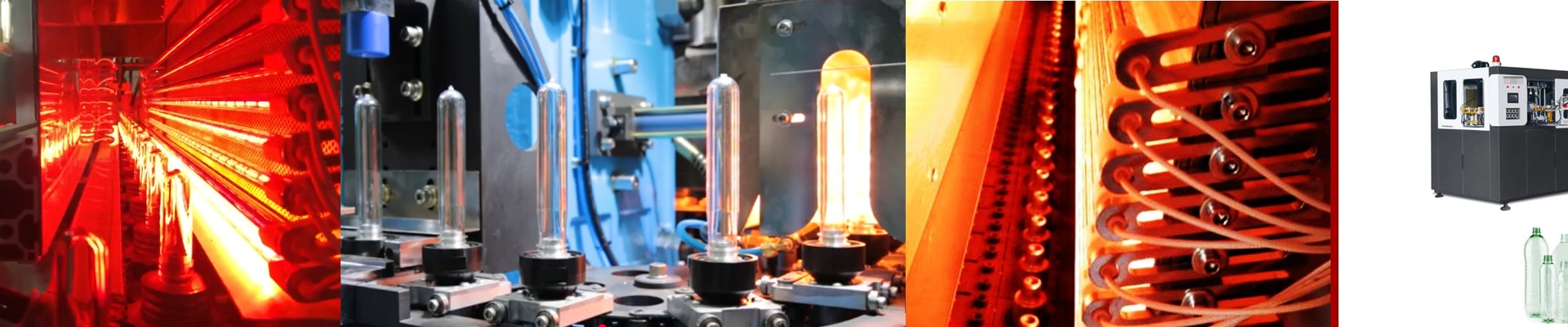
Standard heaters are sluggish. They take minutes just to get up to temp. IR lamps? They’re at peak power in seconds. When we use high-wattage quartz tubes, you get a concentrated blast of heat that sinks deep into the material. This is a lifesaver for drying. You can flash off surface moisture instantly, which means you don’t have to worry about “skinning” or those annoying uneven cured spots.
The nitty-gritty on the build
We stick with quartz glass because it lets the infrared spectrum pass through without getting blocked. Whether you’re running 220V or 380V, we tweak the filament length and thickness to get the ohms exactly where they need to be. Then there’s the wiring. We use connectors like R7s or SK15 because they just snap in. When it’s time for maintenance, you can swap a lamp out in seconds and get back to work. And if you’ve got a specific material that’s being stubborn, we can use coated tubes. This aligns the heat with what your material actually absorbs, so you aren’t just wasting electricity heating the room.
The honest truth about the trade-offs
Look, these high-density elements pack a punch, but they aren’t “set it and forget it” tools. That intense energy is tough on your reflectors. If they get dirty or pitted, your efficiency tanks and you’ll start seeing cold spots on your product. You’ve got to keep them clean. Also, make sure your control system is snappy. Because these lamps react so fast, a slow controller can let the temperature overshoot, and before you know it, you’ve scorched your material.