Getting that Perfect Crust: Why Shortwave Infrared Actually Works
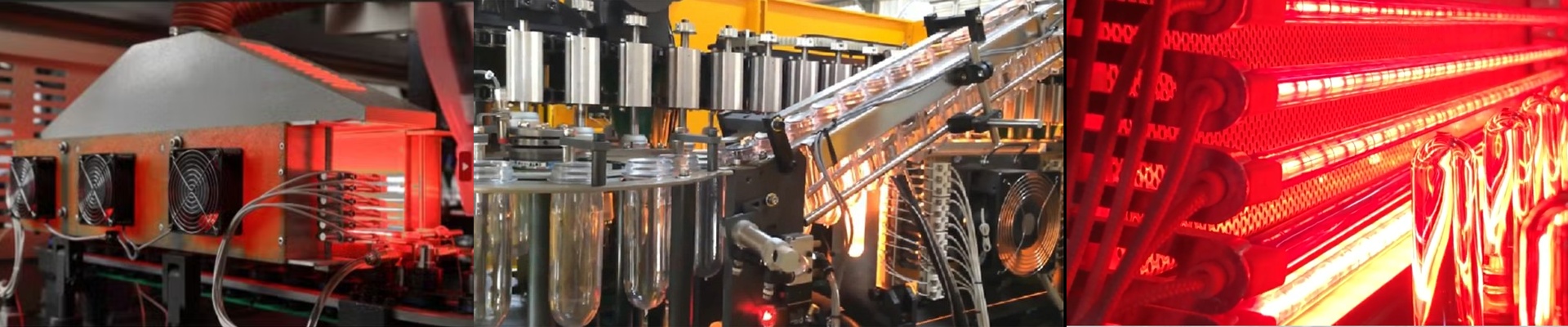
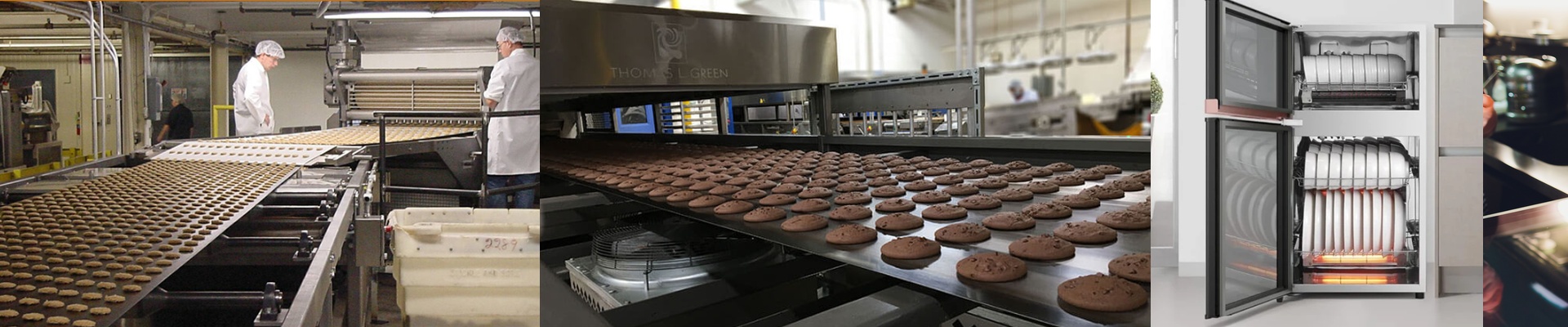
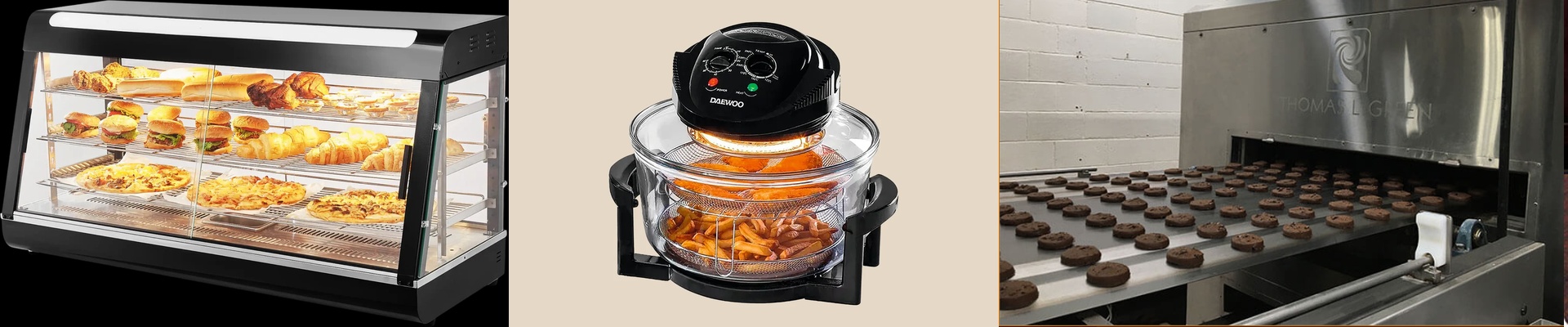
If you’ve ever struggled with deck ovens, you know the frustration. You want that shatter-crisp crust, but you don’t want the inside of the bread to turn into a crouton. It’s a delicate balance. To nail this, we use high-power halogen bulbs. Now, these aren’t your living room lamps. They use shortwave infrared (SWIR) radiation, which is a fancy way of saying they don’t waste time heating up the air around the food. Instead, the energy goes straight into the dough.
How the heat actually moves
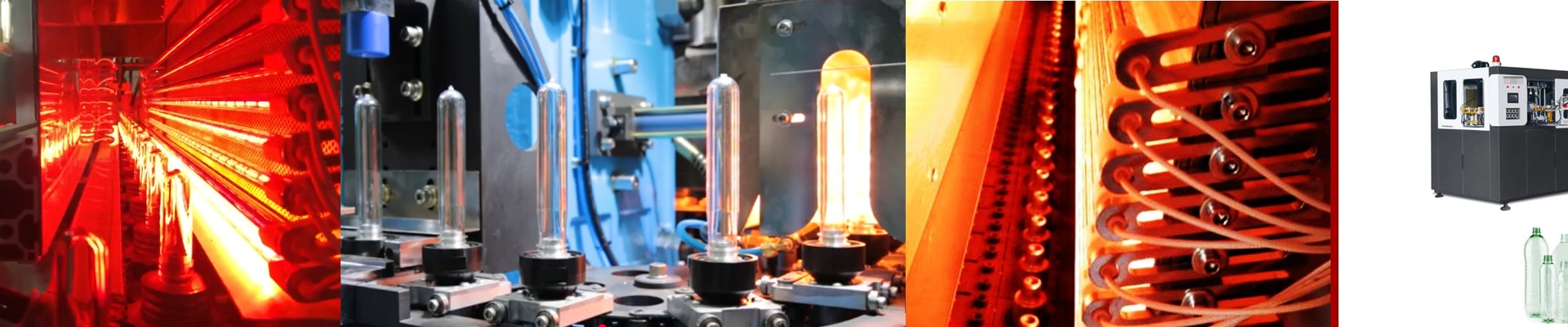
Most heating coils just warm up the air, and then the air warms the food. It’s a slow process. Halogen lamps are a different beast. We’ve got a tungsten filament tucked inside a quartz envelope filled with halogen gas. This setup lets the filament get incredibly hot without just evaporating away. Because the radiation is “shortwave,” it can actually sink deeper into the dough. The result? Your core heats up fast while the outside caramelizes. It’s a much more efficient way to bake.
Choosing the right gear
When picking a bulb for a commercial oven, it all comes down to power density. Basically, you’re looking at the wattage relative to the length of the tube. If you want that immediate “hit” to sear the surface, you need high wattage. We usually stick with R7s or SK15 connectors. Why? Because they stay put. You can’t have a connection that arcs or flickers when things get scorching hot. And please, stick to quartz. Don’t try to save a few bucks with lower-grade glass. The second you power those things up, the thermal shock will crack cheap glass right down the middle.
The trade-offs
Here’s the catch: all that power creates a lot of intense, localized heat. If your oven’s vents or housing aren’t built to handle that rise in temperature, you’re going to have a bad time. You could melt your sockets or fry your wiring. These aren’t “set it and forget it” parts. You have to be precise about where they’re positioned, or you’ll end up with burnt hotspots on your bread. It takes a little tweaking, but once you get it right, the difference is obvious.