
Why we put our bathroom heaters through the “steam chamber”
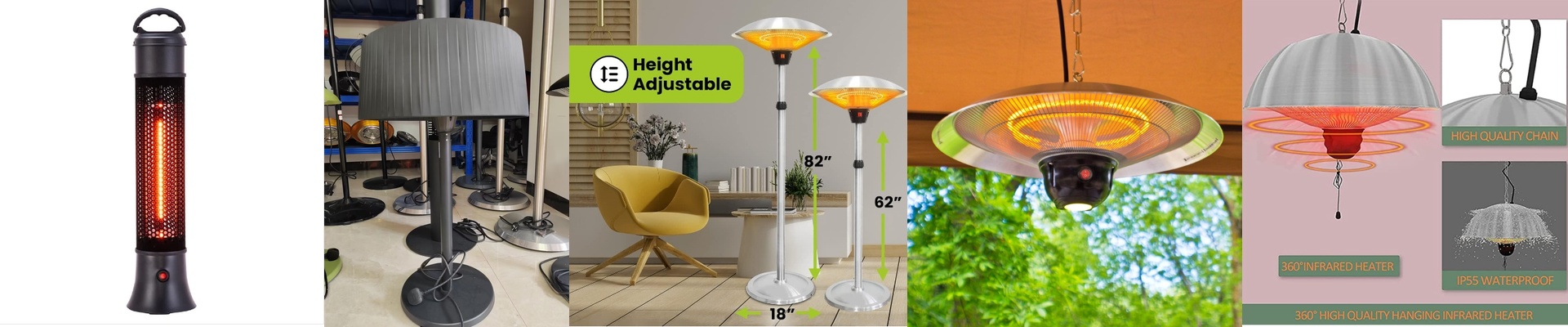
Let’s be honest: bathrooms are a nightmare for electronics. You’ve got thick steam, random water splashes, and temperatures that jump from freezing to tropical in about five minutes. If a seal isn’t perfect or a tiny bit of metal starts to rust inside, the whole thing is going to short out. Nobody wants a heater that dies three months in. That’s why we don’t just “hope” they last. We use damp-heat aging tests to try and break them in the lab before they ever reach you. The problem with steam Water vapor is sneaky. It finds the tiniest, microscopic gaps in the housing and just… crawls in. Once that moisture hits the electrical contacts, things get ugly. It causes corrosion, which creates resistance. And resistance equals heat. Not the good kind of heat that warms your skin, but the bad kind that melts wires or trips your circuit breaker. To stop this, we toss every batch into a saturated, high-humidity environment. We cycle the power on and off, over and over, simulating years of real-world use in a fraction of the time. We basically push the gaskets and coatings to their absolute breaking point. The balancing act Here’s the tricky part: you can’t just seal a heater in a plastic box. If we make the waterproof seal too tight, the heat has nowhere to go. The internal electronics end up cooking themselves from the inside out. It’s a constant tug-of-war between keeping the water out and letting the heat escape. We spend a lot of time tweaking that balance so the lamp stays dry but doesn’t overheat. What “passing” actually means When we say a unit passed the test, it means the insulation stayed rock-solid after hundreds of hours of torture. No leaking current, no drop in heat output. It means when your customer steps into a steaming hot shower, the heater just works. No flickering, no popping, no surprises. We take the guesswork out of it so you don’t have to deal with the headaches later.