

Stop Fighting Bathroom Mold With a Scrub Brush
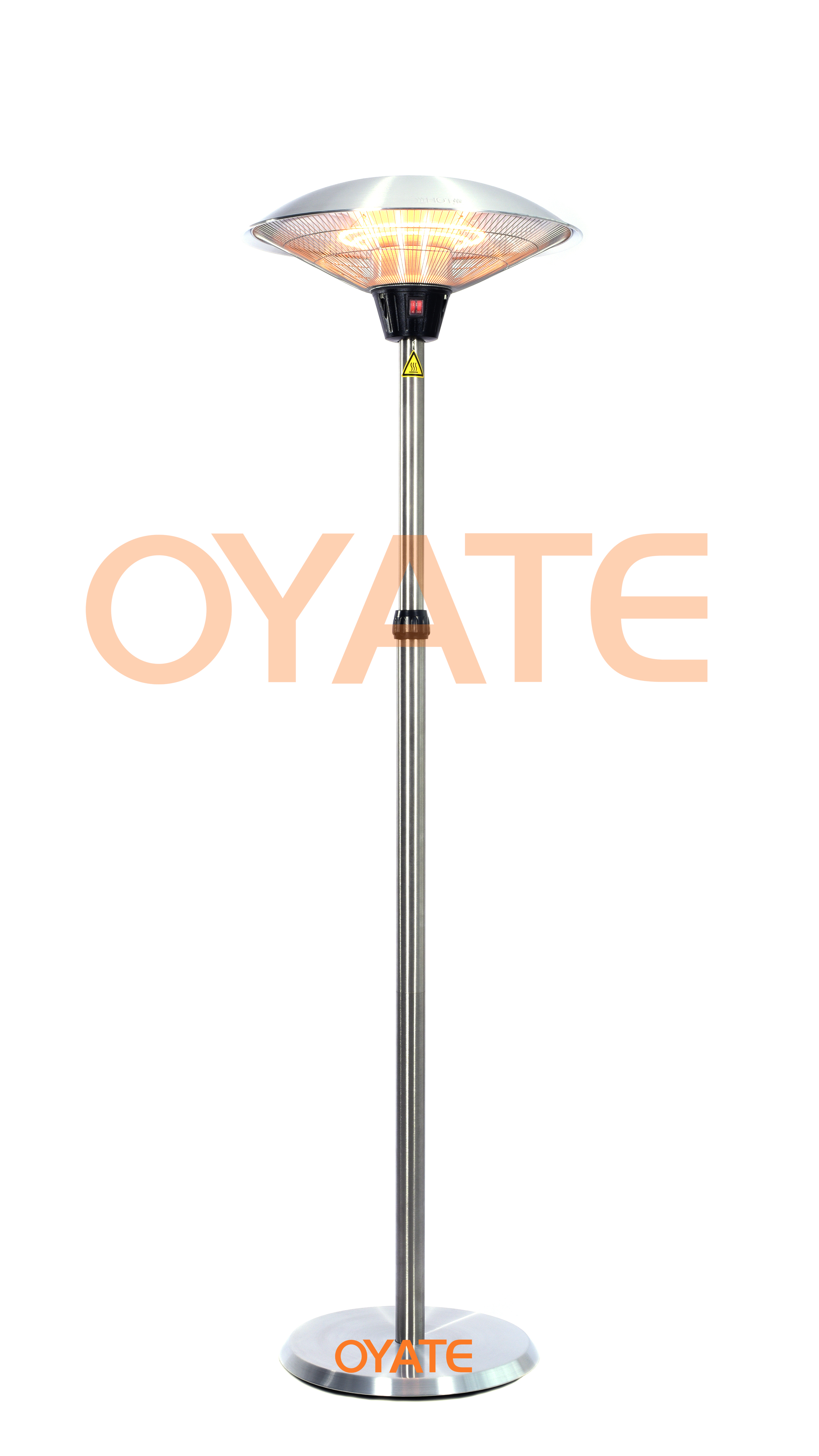
Most people think of bathroom heaters as a luxury—something to keep you from shivering when you step out of the shower. But we wanted these ceiling heaters to do a bit more than just keep you cozy. We wanted them to actually fight the mold that loves to hide in your corners. Here is how it works. Most heaters just warm up the air. That’s fine, but it doesn’t do much for a damp wall. We use something called short-wave infrared. Instead of just heating the air, this stuff sinks right into your walls and floors. It bumps up the temperature of the actual surfaces. When your tiles stay warm, water can’t settle and turn into those annoying little droplets. And if there’s no condensation, mold spores have nowhere to land.**No dampness, no mold.**It’s that simple. To make this happen, we used high-purity quartz glass and halogen gas in the lamps. It sounds technical, but all it means is that the filament can get incredibly hot without blowing out. This creates a concentrated blast of heat that dries out porous grout lines and tiles fast. Now, because it’s so intense, you can’t just slap these anywhere. You have to mount them at the right height, otherwise, you’ll feel like you’re standing under a heat lamp at a buffet. Plus, there’s a nice side effect with your ventilation. Radiant heat basically pushes moisture out of your walls and into the air. Once that water is airborne, your exhaust fan can actually grab it and kick it out of the house. It makes your existing fan work way harder for you. One thing to keep in mind: if you go for a higher wattage to dry things out faster, the fixture itself gets pretty hot. Just make sure your ceiling bracket is sturdy and rated for the heat so you don’t scorch your drywall. It’s a small tweak in how we think about heat, but it turns a basic heater into a tool that keeps your bathroom healthy for the long haul.