Stop Fighting Your Bathroom Humidity
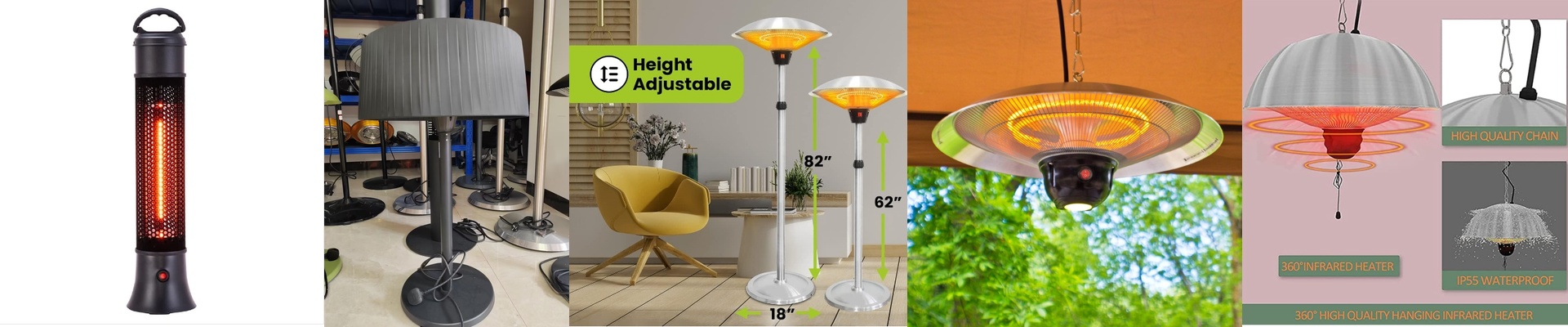
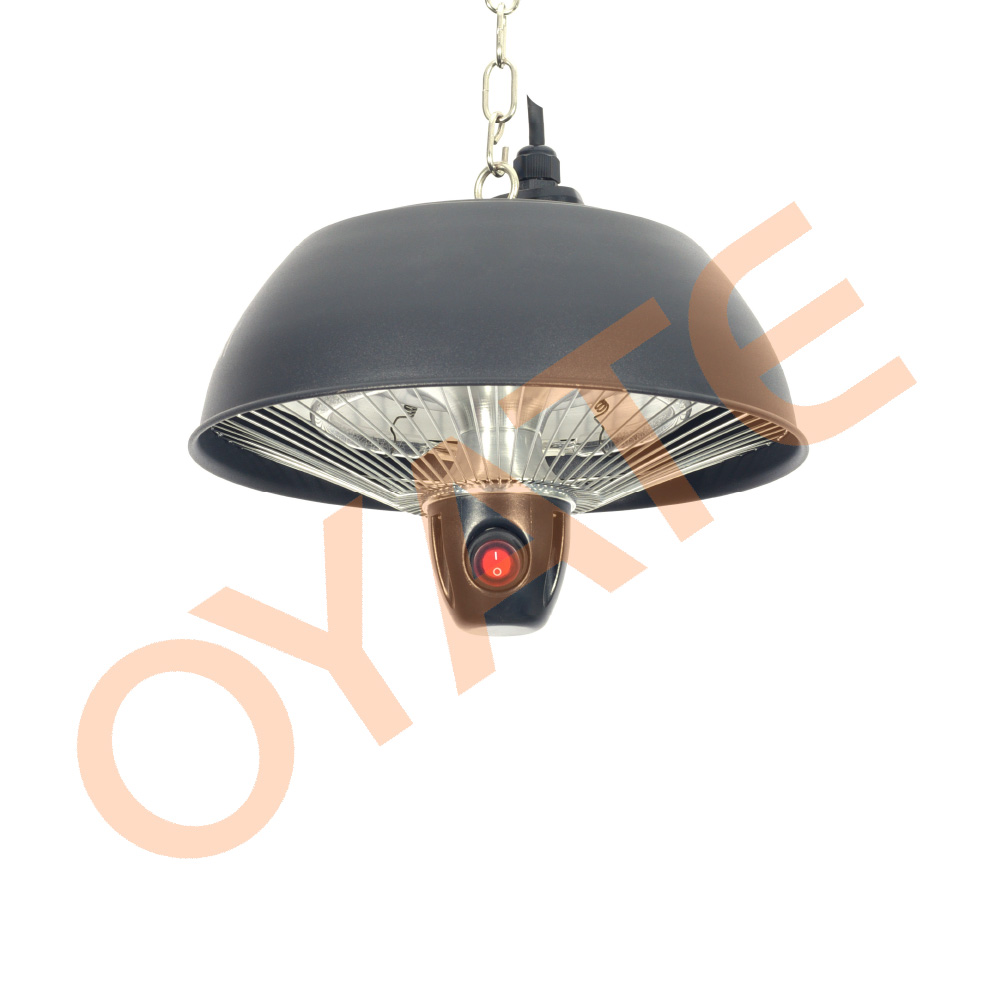
Most of us just think of those bathroom heat lamps as a way to keep our toes warm in the winter. But if you look under the hood, there’s some pretty cool stuff happening. Instead of just warming up the air, these lamps use infrared light to go after the moisture itself.
How it actually works
Think of it like the sun hitting your skin on a clear day. You feel the heat instantly, even if the air around you is chilly. These lamps do the same thing. They shoot out waves of energy that hit your foggy mirror or damp tiles and turn that moisture into steam. It happens fast. By keeping those surfaces warm, the water just vanishes. And here’s the best part:**mold hates this.**Mold needs a cold, damp place to move in and start growing. When you keep the walls dry with a bit of targeted heat, you’re basically making your bathroom a “no-go zone” for fungus.
A few things to keep in mind
We usually go with high-density quartz for these heaters. Why? Because the heat moves right through the quartz and hits your target immediately. No waiting around for the room to warm up. But you have to be careful where you put them. These lamps gethot. Really hot. If you mount one too close to a plastic shower curtain or a cheap fixture, you might actually warp the plastic. Give them some breathing room.
The catch
Infrared is great, but it only works if it can “see” the surface. It’s a straight line. If you have a deep corner or a hidden nook that the lamp can’t reach, that spot is going to stay damp. One lamp usually isn’t enough for a big room. You’ve got to think about where the light actually hits to make sure you don’t leave any cold spots behind. Plus, don’t just leave them running 24/7. Hook them up to a timer or a humidity sensor. It’ll save you a bit on the electric bill and keep the bulbs from burning out too quickly.