Getting the Wattage Right for Your Bathroom heater
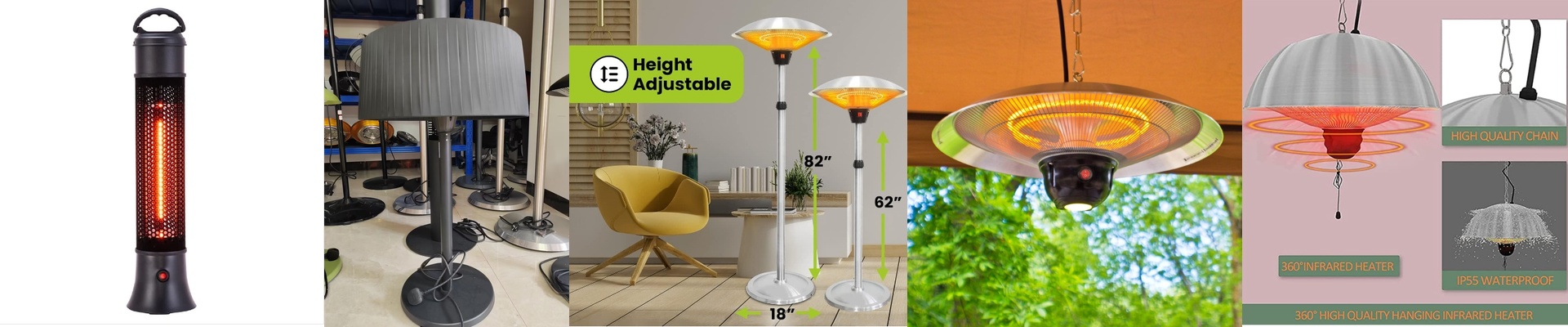
When you’re picking out an infrared lamp for the bathroom, your first instinct might be to go for the most powerful one on the shelf. But here’s the thing: more power doesn’t always mean a better experience. It’s really about finding the sweet spot between the heat and the size of your room so you aren’t wasting electricity—or killing your equipment. Matching the power to your space If you’ve just got a tiny powder room, a low-wattage shortwave lamp (somewhere between 250W and 400W) is usually plenty. It gives you that targeted warmth right where you need it. Now, if you’re dealing with a big master bath, you’ll obviously need more juice or maybe a few different lamps spread out. But be careful. If you cram a 1000W+ system into a tiny closet-sized bathroom, you’ll create a “heat pocket.” The thermostat will freak out and shut the system off, then kick it back on a few seconds later. This constant clicking on and off is a great way to burn out your lamp way faster than it should. How the heat actually works Infrared is different because it doesn’t bother warming up the air; it goes straight for the surface. It’s like stepping into sunlight on a cold day. We use quartz envelopes because they make the heat feel almost instant. One thing to keep in mind is where you’re mounting the lamp. If you want the heater high up on the ceiling but still want your toes to feel warm on the floor, you’ll need a higher wattage to bridge that gap. The hidden traps: Wiring and Reflectors This is where things can get messy. Higher wattage means your wires have to carry more current. If you plug a massive 2000W array into a circuit meant for a couple of lightbulbs, you’re going to trip your breaker—or worse, overheat your wiring. Always double-check that your electrical setup can actually handle the load. And then there’s the reflector. If the lamp isn’t backed by gold or polished aluminum, a lot of that expensive heat just soaks into your ceiling instead of hitting you. It’s a waste of money. Make sure your reflectors are high-quality so you actually get the warmth you paid for.