Stop Losing Money Every Time the Temperature Drops
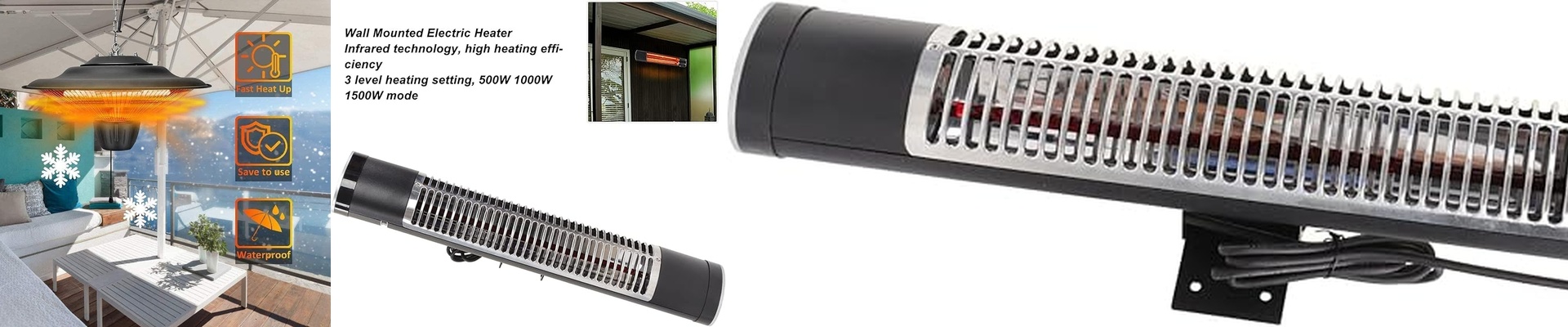
Let’s be honest: empty outdoor tables in the winter are a nightmare. You’ve got the space, you’ve got the pergolas, but the second it gets chilly, your guests vanish. It’s a huge waste of potential revenue. The problem is that most heaters try to warm up the air. But if you’re outdoors, the wind just carries that heat away. It’s like trying to fill a bucket with a hole in the bottom. That’s why we use waterproof infrared heaters. Instead of fighting the wind, these target the people. They send heat straight to the skin and clothes. It feels like sitting in the sun on a crisp October day.
Getting the Setup Right
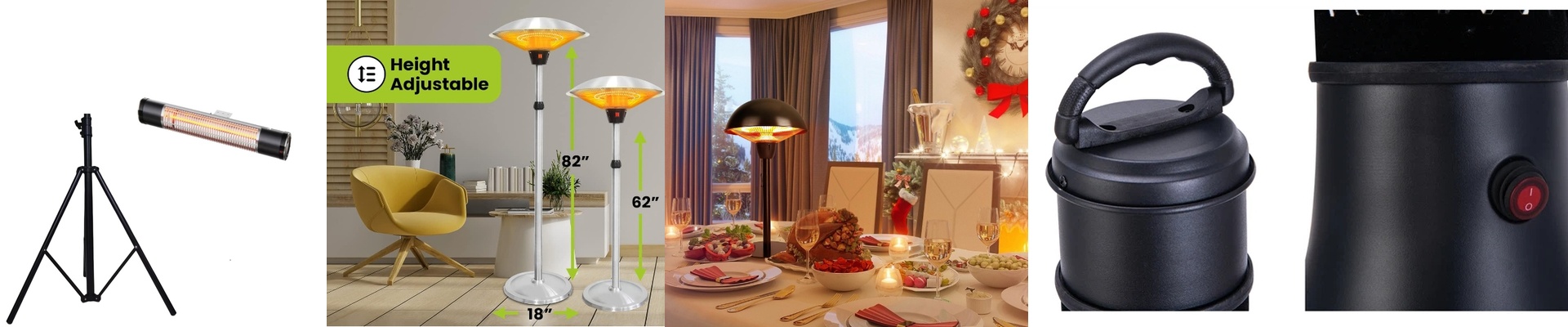
If you’re putting these in a commercial pergola, you can’t just buy any heater. You need gear that can actually handle the elements. Water getting into the circuits is the fastest way to kill your equipment, so we stick with sealed housings that keep the moisture far away from the electrics. One thing to watch out for is the height. If you mount the heaters too high, the heat just disappears before it ever reaches your guests. We usually suggest 2000W to 3000W units to keep a 4-person table cozy. Keep the footprint tight, and your guests will actually want to stay.
The Tech (Without the Boring Part)
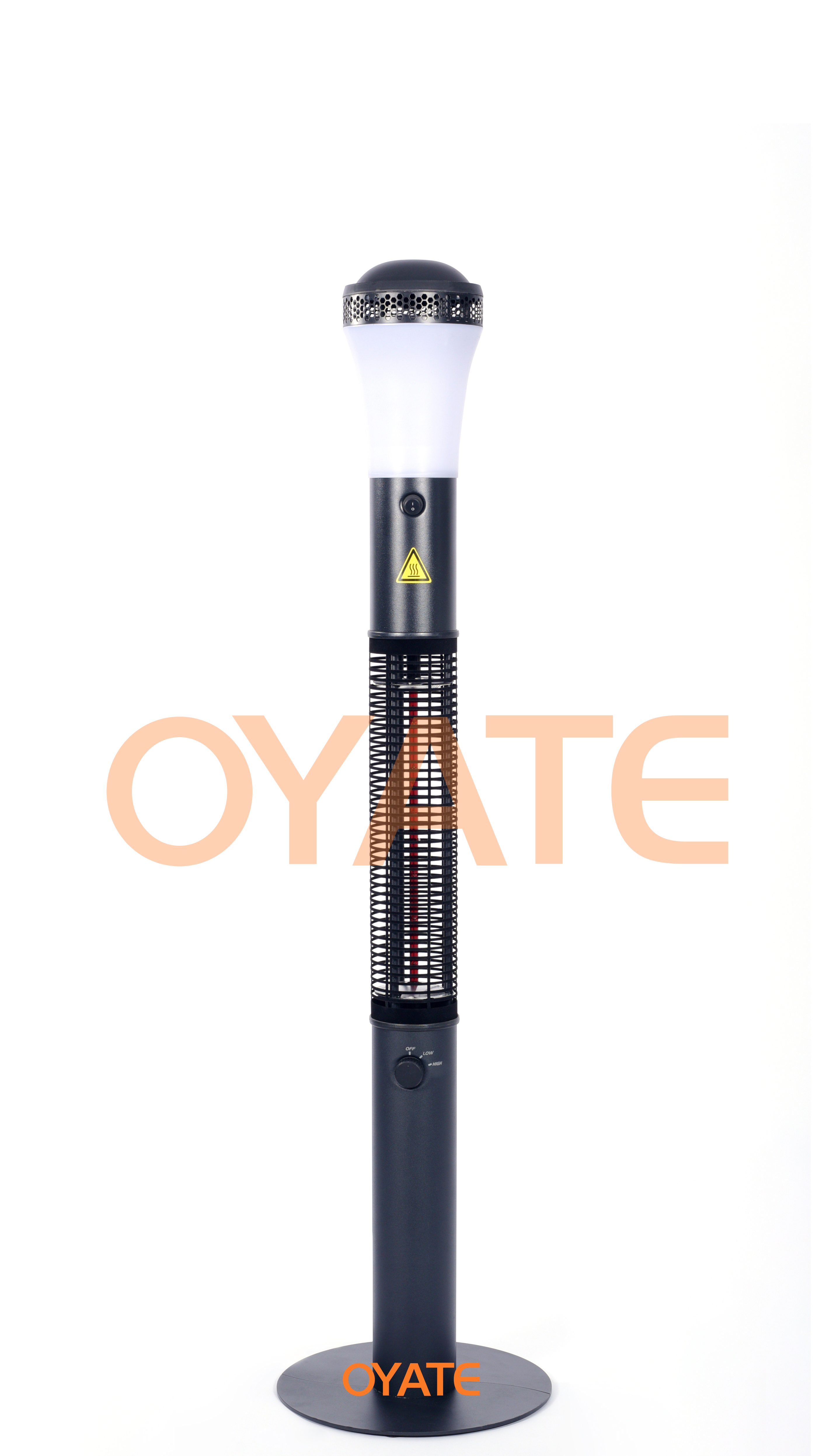
We go with short-wave infrared. Why? Because it’s instant. No waiting around for the unit to “warm up.” You flip a switch, and it’s hot. Because they work so fast, you can hook them up to timers or motion sensors. That way, you aren’t paying to heat an empty patio at 3 AM. The elements are tucked inside quartz glass to push the heat downward, and the frames are coated to stop salt air or humidity from rusting everything away. It’s built to last.
The Bottom Line
Here is the real win: when people are warm, they stay. When they stay, they order another round of drinks or a dessert they weren’t planning on. A few degrees of difference can seriously bump up your table turnover. But a quick heads-up on the power. Six 2kW heaters add 12kW to your electrical panel. That’s a lot of juice. Before you start installing, check your breakers. The last thing you want is the power cutting out right in the middle of a Friday night dinner rush because the wiring couldn’t handle the load.