
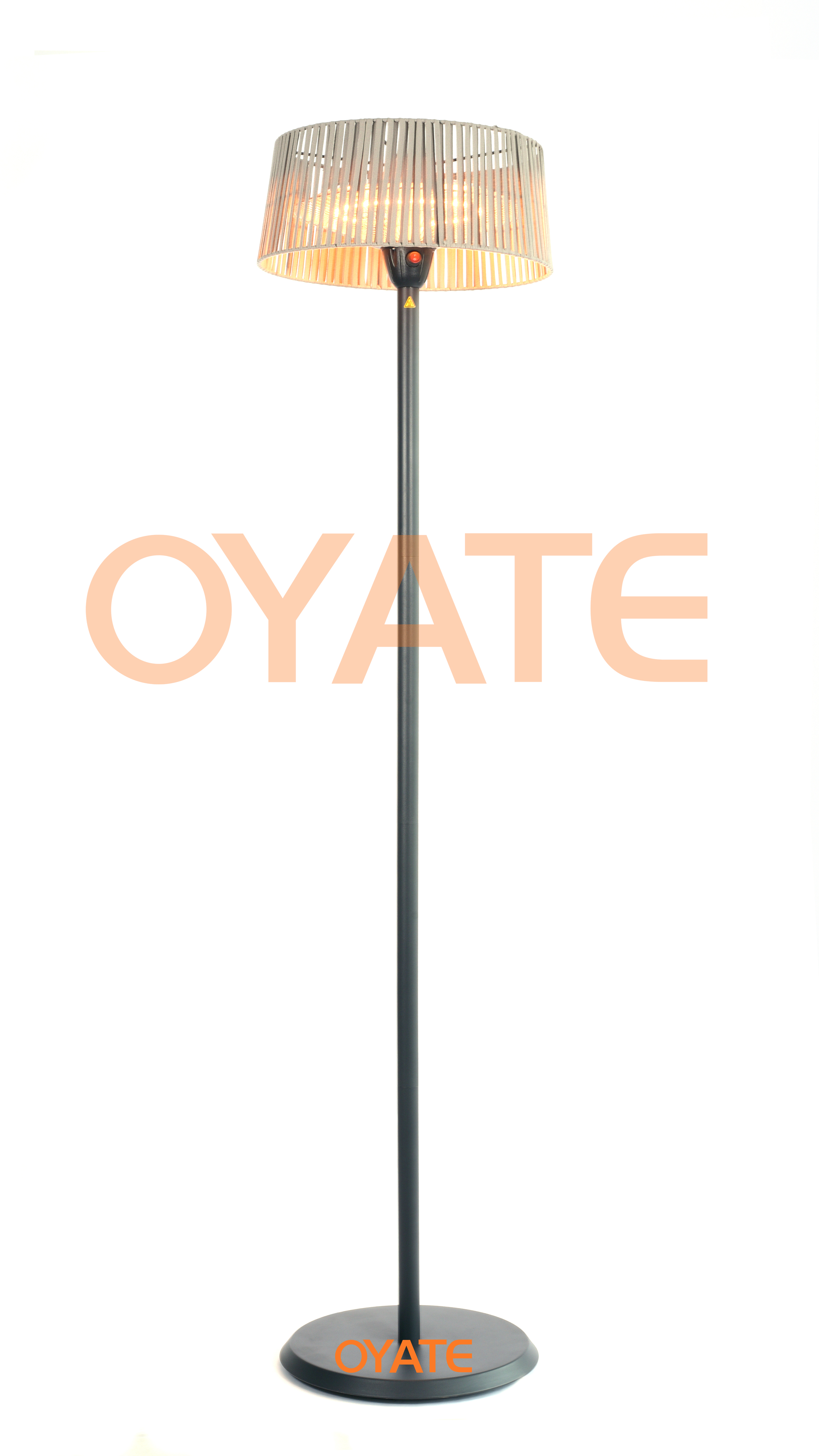
Making Your Outdoor Heaters Actually Smart
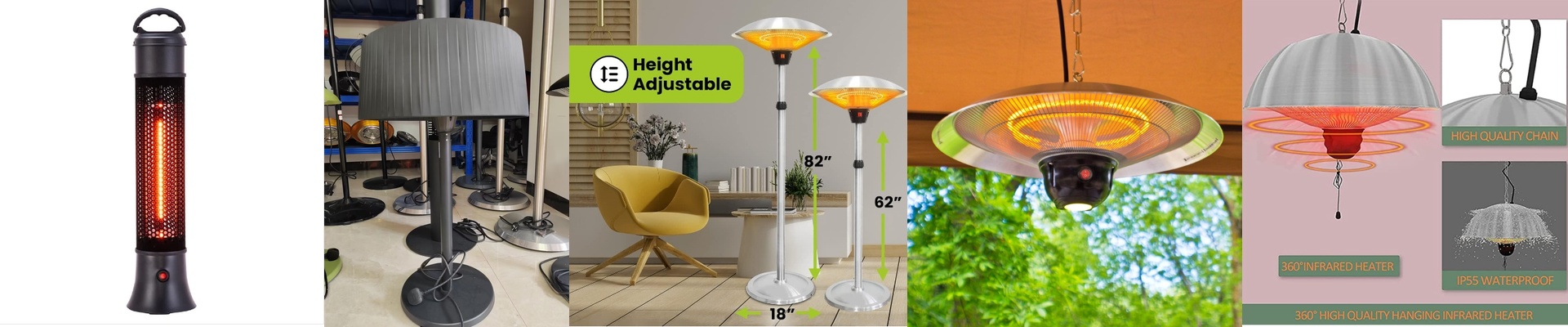
We build outdoor infrared heaters that can take a beating. Rain, dust, wind—they don’t really care. The secret is in the short-wave infrared tech. Most heaters try to warm up the air around you, which is a losing battle when there’s a breeze. Ours just beam the heat directly at you. It’s instant. You flip a switch, and you feel it. That’s exactly why they work so well with smart home setups.
How the “Magic” Works
If you want to turn your chilly patio into a tropical getaway with one tap on your phone, you just need to bridge the heater’s power relay to your gateway—whether you’re using Zigbee, Matter, or just standard Wi-Fi. When you tell your voice assistant to turn on the heat, the system closes a high-current relay. Since these heaters don’t have to wait for the air to warm up, you’re not standing there shivering for ten minutes. You feel the warmth in seconds. We use high-wattage elements because, let’s be honest, outdoor drafts are brutal, and you need enough power to cut through the cold.
The Tough Stuff
Outdoor gear lives a hard life. That’s why we stick to an IP65 rating. It basically means the chassis and all the electrical bits are sealed tight against water jets. We use tempered glass and heavy-duty reflectors to keep the moisture away from the heating elements. But here is a heads-up:check your electrical panel. These heaters pull a lot of juice. If you try to cram too many of them onto one smart relay, you’re probably going to fry the contacts. If you’re planning a big setup, do yourself a favor and use a dedicated contactor. It’ll save you a headache (and a potential fire).
A Few Things to Keep in Mind
Smart controls are great, but they aren’t perfect. If your internet goes down or your gateway crashes, you’re stuck in the cold unless you’ve got a manual override switch installed. And yeah, your power bill will notice when these are running. They use a lot of energy because they’re powerful. One last tip: be smart about where you put your sensors. If the sensor is too far from the heater’s reach, it’ll keep pumping out heat long after you’re already sweating. Match the sensor to the “throw” of the heater and you’ll be golden.