Stop Waiting on OEM Parts for Your Blowing Machine
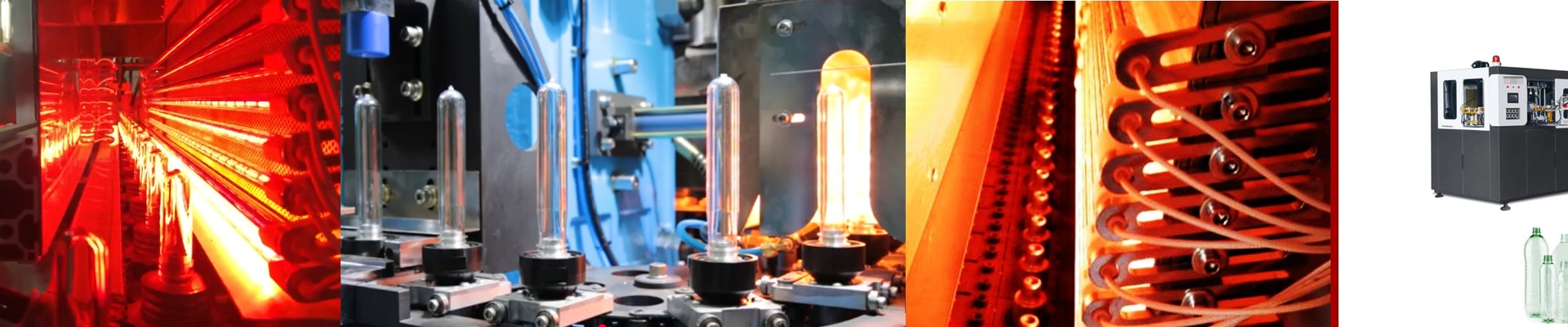
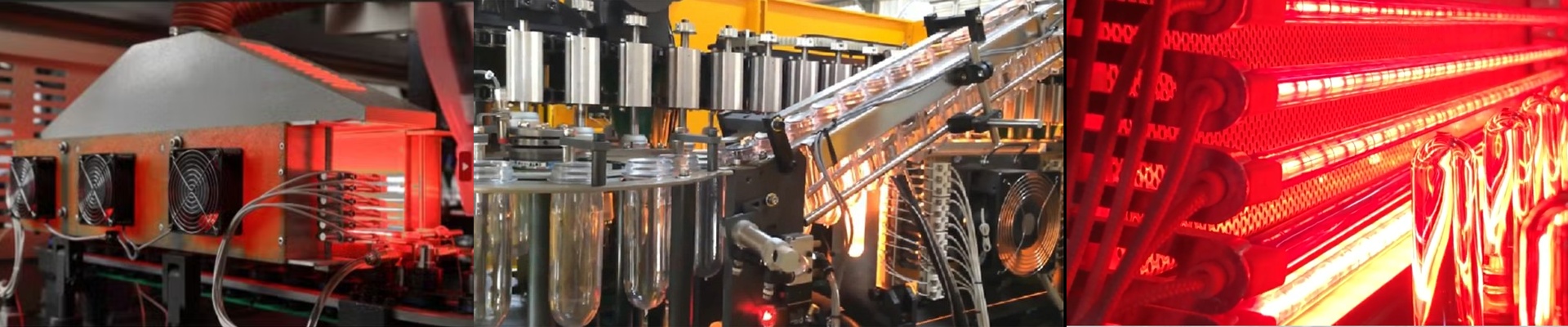
Let’s be honest: there is nothing worse than a production line grinding to a halt because of a burnt-out lamp or some patchy heating in the oven. It’s frustrating, it’s expensive, and waiting weeks for a branded replacement part from the OEM is a nightmare you don’t need. That’s why we built our infrared radiators to be simple, drop-in replacements for Sidel systems and other big-name blowing equipment. We wanted to get rid of the “brand barrier” entirely. You just need the machine to run. Period.
Getting the heat right
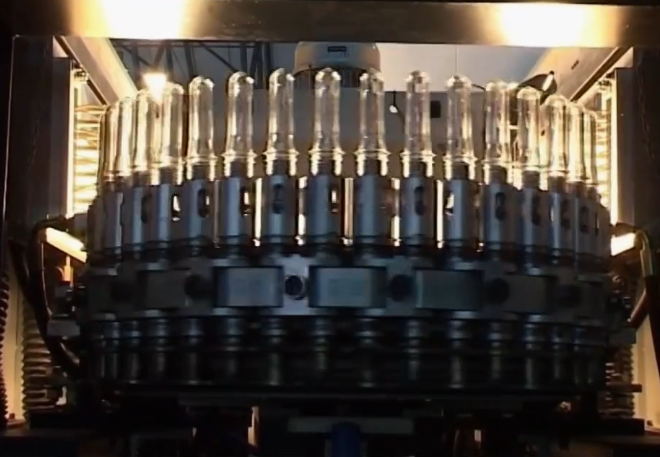
It all comes down to heat density. We’ve dialed in the wattage and voltage so your preforms hit that sweet spot—the glass transition temperature—exactly when they should. By tweaking the filament geometry, we push the shortwave infrared radiation right where it belongs: on the plastic. You get a ton of heat in a very small space. One quick tip, though. If you’re running these at max power, your oven’s cooling fans are going to work harder. If your vents are clogged with dust, those lamps won’t last nearly as long. Keep it clean, and they’ll keep humming.
The nitty-gritty on the build
We use high-purity quartz glass with a special coating that bounces the heat back inward toward the preform instead of letting it leak out through the oven walls. As for the plugs, we stuck with R7s and Sk15 connectors. They’re the industry workhorses for a reason—they just work. You can wire them up fast without messing around with custom adapters or weird workarounds. The quartz is tough and can handle the constant heating and cooling cycles of a busy shop. Just be careful not to touch the glass during installation. A little bit of physical stress can lead to a crack, and nobody wants to deal with that.
No manuals, no headaches
These fit over 95% of the blowing machines out there because we stuck to the standard Sidel dimensions. Here is the best part: you don’t have to touch your PLC logic or modify your lamp holders. You just swap out the dead tube, tighten the connection, and get back to work. It’s a basic hardware swap. No lab coats required—just a wrench and a few minutes of your time.