Introduction
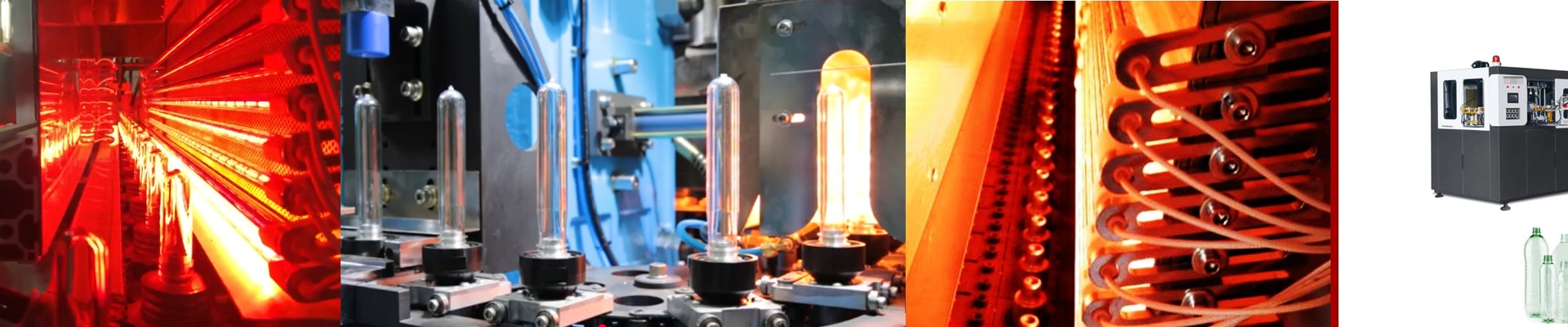
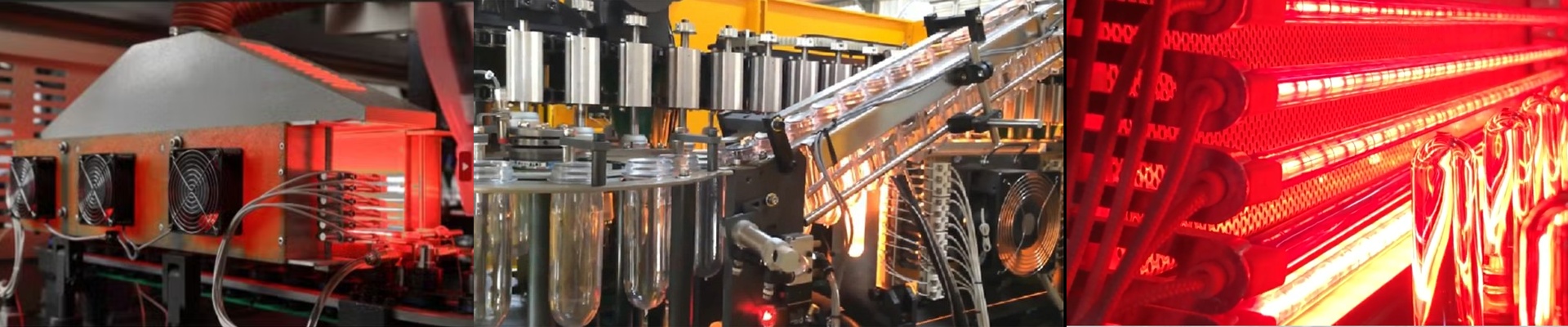
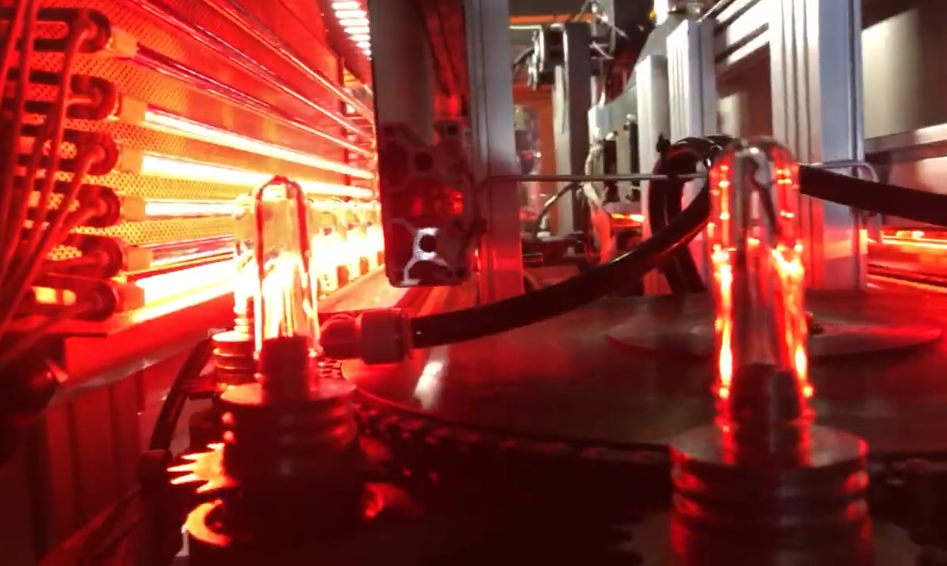
You know how it goes. We get so caught up in upgrading the mechanical parts of older blow molding machines that we forget about the real bottleneck: the heating system. Here’s the thing—we built our PET blowing lamps to be a direct swap for what’s already in your machine. They’re infrared halogen heating elements that slide right into the existing space. The whole point? To give you the exact heat you need for consistent PET preform heating, without tearing the whole machine apart.
Getting Into the Details
Let’s talk specs, because they matter. It all comes down to power and voltage. We spec these out to run on 400V, which lets a compact 300mm tube pack a serious punch—2500W. That kind of power density is exactly what you need to heat the surface of the PET preform fast and evenly. The shorter cycle times are a huge win. And the 300mm length? It’s the standard size, so you know it’s going to fit. But there’s a catch. That much heat puts a real strain on the cooling system. You have to make sure your blower and airflow are up to the job. If they aren’t, you’re just asking for the surrounding parts to overheat.
The Build and the Brains
Inside, you’ve got a halogen cycle inside a quartz tube. This is what keeps the filament temperature steady and the output stable, hour after hour, for thousands of hours. A special reflective coating on the tube focuses the infrared energy forward. This means less wasted heat and it keeps the machine’s internal wiring protected. And the connector? It’s a standard R7s bi-pin type. That means a true plug-and-play install. You just take out the old ceramic socket and wire the R7s right in. No custom brackets. No complicated rewiring. Just simple, straightforward work.
What It Means for You
For engineers running smaller brands of blow molding machines, this upgrade is a smart, low-cost way to get more output. By swapping out the aging heating elements, you’re simply getting the machine back to the heat profile it was designed for. The payoff is huge: faster heating, fewer rejects from uneven stretching, and a process that just feels more stable. The R7s connection is solid, too—it holds up against the constant vibration of the shop floor. This isn’t some miracle fix. It’s a targeted solution that tackles the core thermal performance of the machine. It’s about making the equipment you already have work harder for you.