Introduction
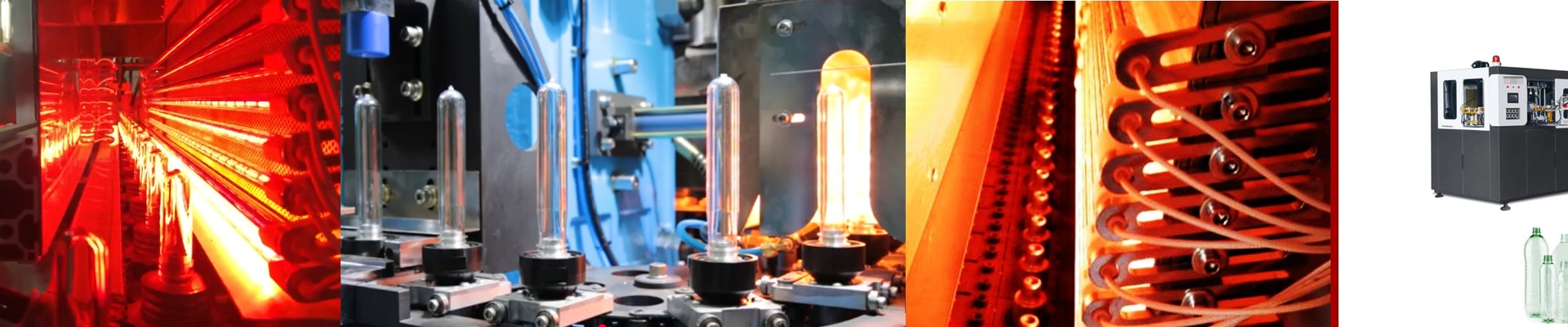
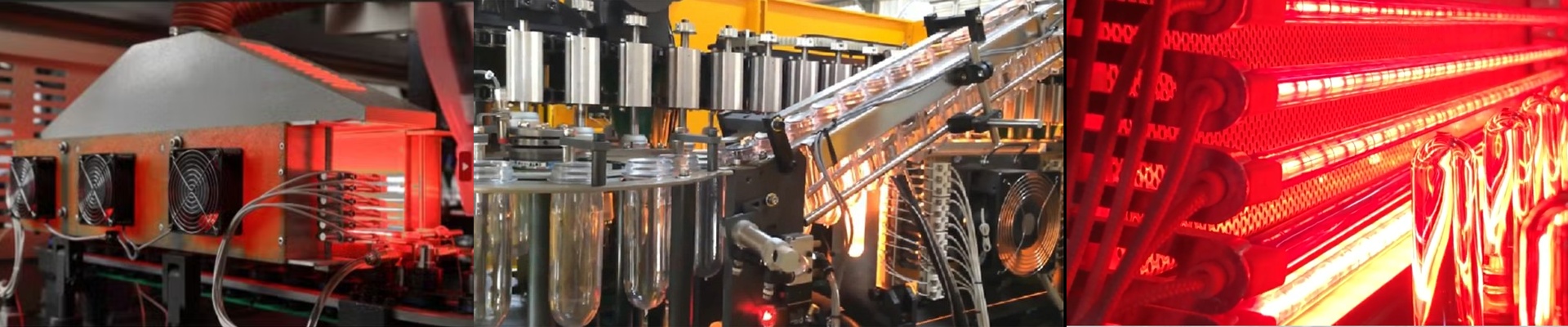
Here’s the heart of how we build our warehouse infrared heaters:low thermal inertia. And no, that’s not just some fancy buzzword. It’s straight-up physics. Think about it like this: a heater that fires up in seconds and cools down just as fast gives you real, hands-on control. For smart climate systems, that quick reaction time is what turns energy savings from “someday maybe” into your actual reality.
The Physics of Low Thermal Inertia
Old-school warehouse heaters? They’re built around heavy heat exchangers. They take forever to warm up, and even longer to wind down. That slowness just bleeds energy and makes precise control impossible. Our infrared elements are the complete opposite. They hit full power almost instantly. So your smart control system sees an immediate change in heat output. The moment occupancy sensors flag an empty zone, the power cuts off. No lingering heat. No wasted kilowatt-hours. You only pay for heat that’s delivered exactly when and where you need it. Now, there is one thing to keep in mind. That rapid on-off cycling means you need a solid electrical setup. Your control relays and wiring need to be built to handle that frequent switching without skipping a beat.
Smart Integration and Energy Savings
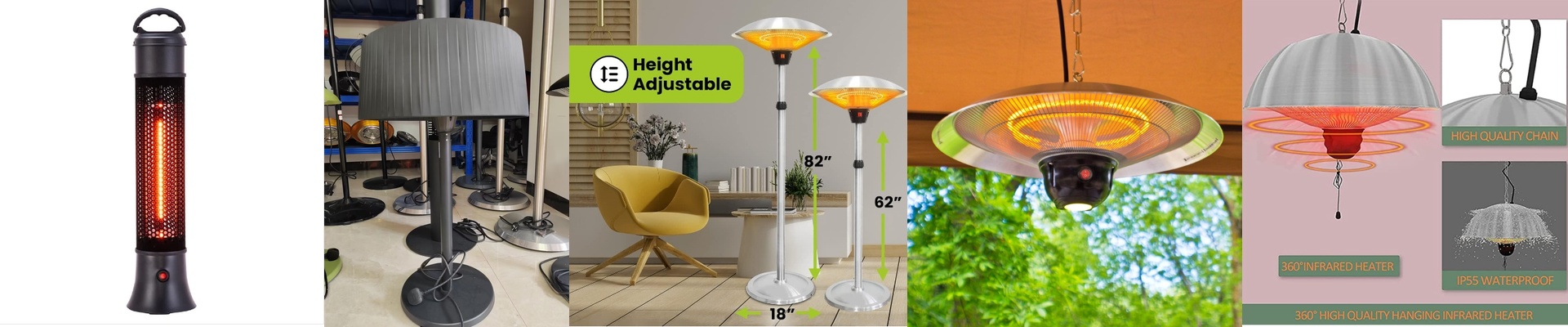
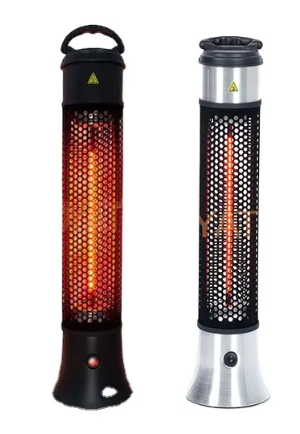
In a smart warehouse, the heater is just another team player on the network. It needs to talk to the system and react in a heartbeat. That’s exactly what the low thermal inertia design makes possible. Instead of managing a slow, lagging heat source, the system is controlling a direct line-of-sight radiator. That means you can get super precise with zoning. Heat only goes where people are, and only for as long as they’re there. This kind of direct control cuts out the standby losses you get with convection systems. The result? A real, measurable drop in energy use—something you can see right there on your system’s power monitoring.
Application and System Design
For engineers, this makes life simpler. You don’t need to write complex predictive algorithms just to compensate for thermal lag. The heater’s response time is in sync with the system’s command time. That cleans up the programming and lowers the chance of control errors. You can program the system for specific zones, so you’re only heating the areas that are in use. No more heating an entire warehouse when only one loading bay is active. Plus, the radiant heat warms objects and people directly, not just the air. That means you can keep the ambient air temperature lower and still feel comfortable. And that, of course, translates to lower energy bills. It all comes down to pairing the right heater with the right control strategy. The low inertia element makes it possible. The smart controls make it powerful. Together, they deliver a practical, proven cut to your operating costs.