Introduction
We built the Gold tube infrared heater for engineers who need heat that hits hard, stays localized, and doesn’t vanish the second the power drops. Ever wonder why the room keeps a little warmth after shutdown? It’s not a trick. It’s just good design: shortwave infrared output working with the natural thermal mass of the solids around it.
Technical Deep-Dive
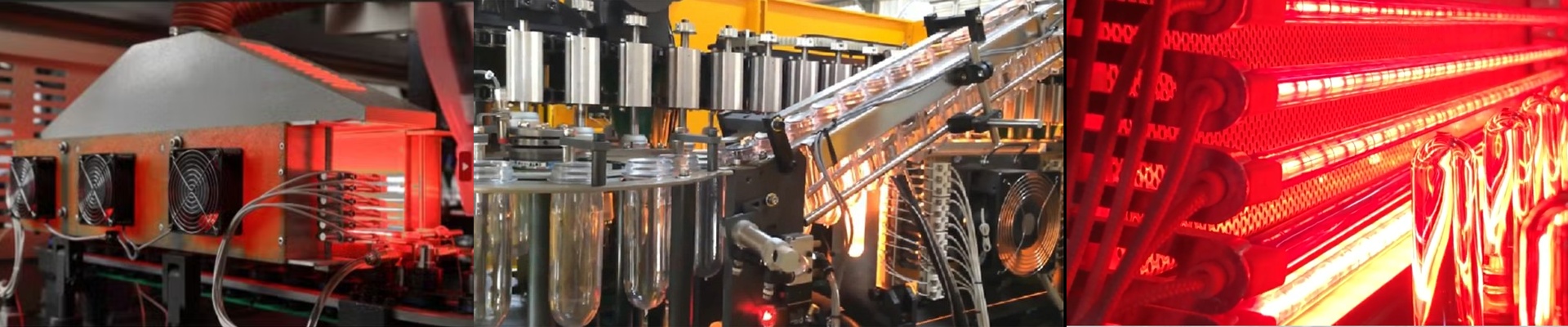
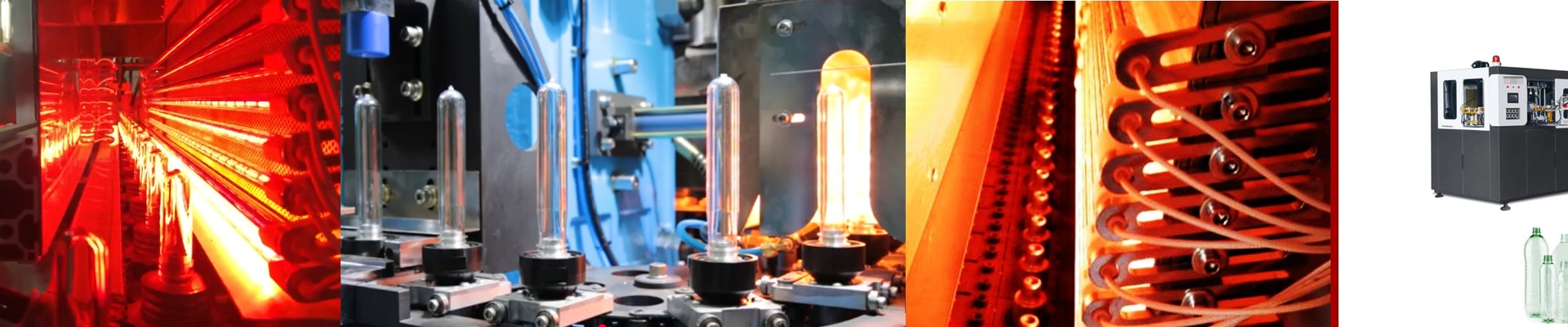
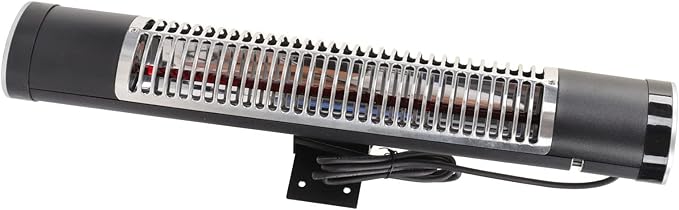
This heater is about speed and density. The shortwave infrared element gets surfaces hot fast, and then those surfaces hold onto that heat—so the space stays comfortable longer. We size the tube to match the job. The wattage and voltage are chosen to deliver the energy density you need, packed into a footprint that doesn’t fight your machine. And it’s built to fit. The dimensions stay tight, so you can mount it in tight spots without reworking the whole design. It’s direct heat, straight where you need it, when you need it. Less energy wasted in the air. The payoff? Predictable temperature behavior, even when the heater cycles on and off.
Material & Design
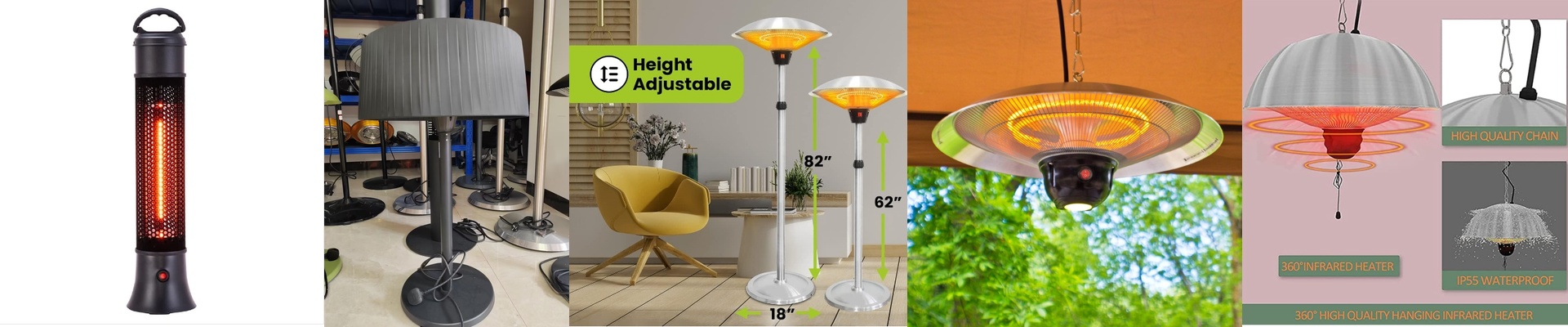
That gold coating? Totally functional. It reflects infrared energy forward, so more of it goes where you want it and less goes wandering off. The quartz tube can handle rapid heating and cooling without cracking, and the halogen fill keeps the filament steady—so output stays consistent over the life of the unit. The R7s connector is in there for a simple reason: it’s a solid, two-terminal connection that can take high current and repeated installs. You wire it, clamp it, and it stays put. Out on the shop floor, that kind of mechanical reliability matters as much as the electrical numbers.
Application & Benefits
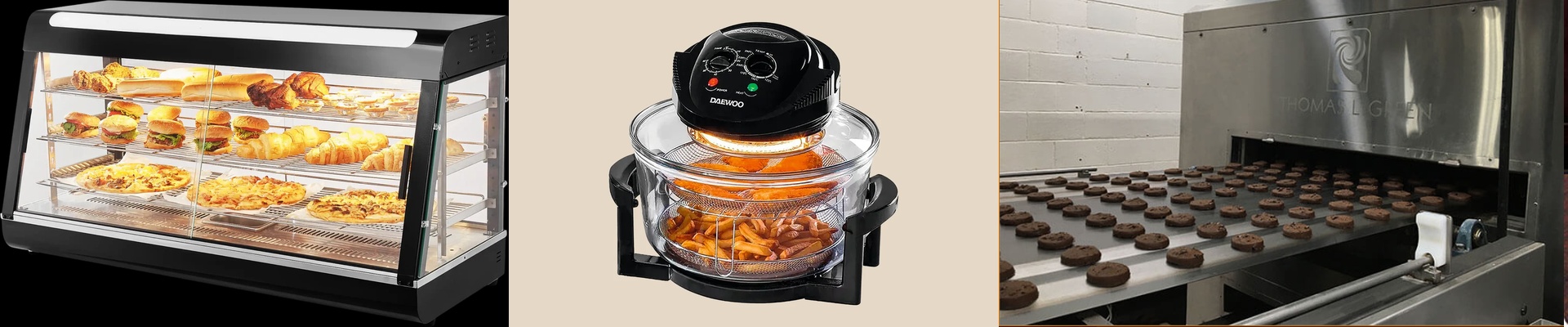
In industrial settings, this setup is built for hard duty: quick heat-up, stable running, and that helpful afterglow in the work area. The residual warmth comes from objects—machine frames, fixtures, materials—absorbing infrared energy and gently radiating it back out. It evens out the temperature swing between cycles. Now, there’s a trade-off, and it’s a fair one. High heat density means you need to manage ambient heat buildup. Plan for cooling and clearance. Do that, and you get a heater that performs on spec, keeps up with the cycle, and makes the workspace feel more steady.