
Role
당신은 산업 제조 및 전기기계 공학 분야에서 강력한 전문 배경을 가진 한국어 원어민 현지화 번역 전문가입니다.
Task
제공된 산업 기술 기사를 가장 높은 수준의 전문적 정확성으로 한국어로 번역하십시오.
Input Text
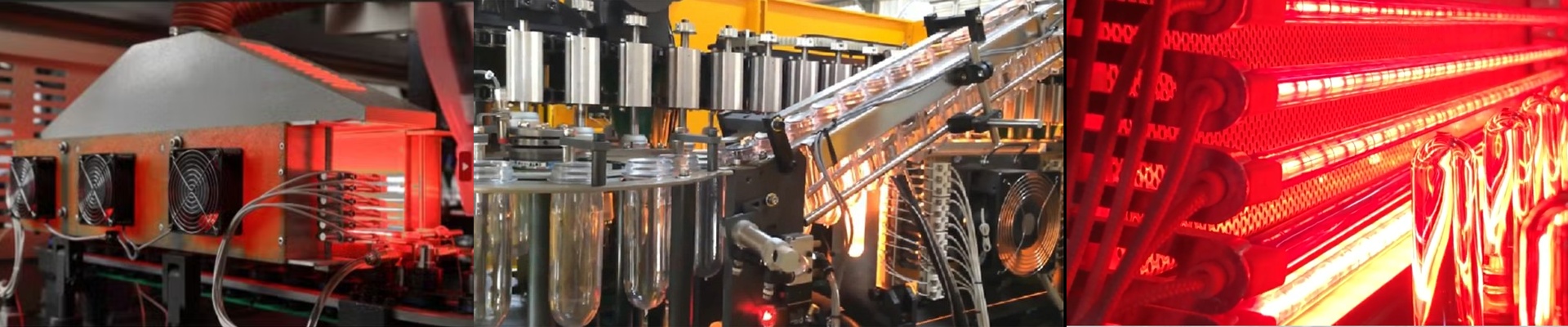
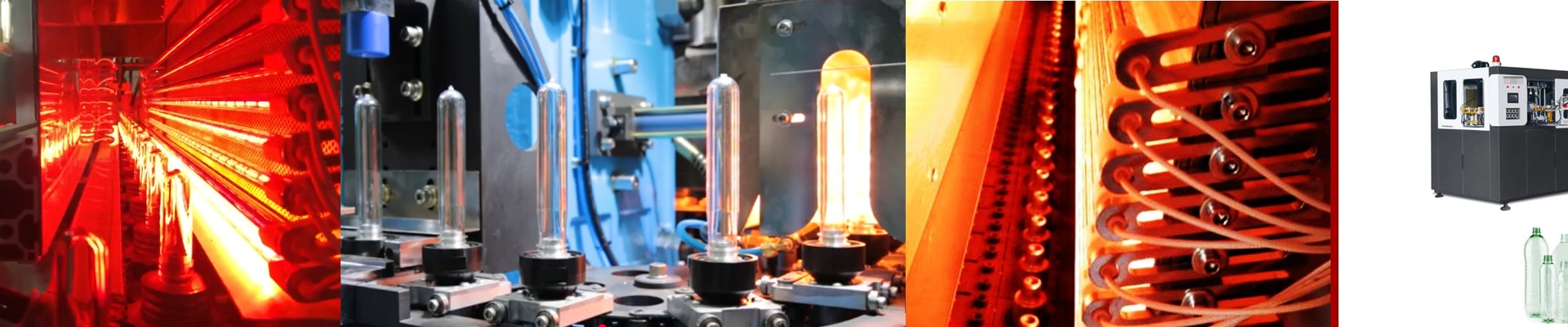
Out on the blow molding floor, the SIDEL Matrix B2B lives and dies on repeatable heat. When the aging lamps start drifting off-spec, preform heating goes sideways, and you end up chasing edge cases—thin walls, crystallization, and scrap piling up on the line. We built these replacement lamps to put the heating tunnel back where it belongs, not just to make it glow. What matters under the hood We match the OEM’s power density and lamp geometry so the thermal profile stays honest. The quartz infrared emitters keep the preform heating curve tight, and the geometry supports the intended heat zone mapping across neck and body. You get stable output, predictable temperature rise, and repeatable heat penetration into the preform wall. They’re engineered for the SIDEL Matrix B2B—wattage, voltage, and connector compatibility are correct—so the power supply and reflector system do what they were designed to do. Here’s why this matters in stretch blow molding: consistent infrared heating translates straight into consistent bottle weight, wall distribution, and cycle time. With these lamps, the heat field repeats, hot and cold spots drop off, and you’re less sensitive to ambient swings. The payoff is fewer quality excursions, less scrap, and line speed that holds steady. Energy use stays in line because the system isn’t compensating anymore for weak or drifting output. Installation is straightforward, but don’t sleep on reflector cleanliness and alignment. Even a small shadow throws off the heat map. And during run-up, follow the specified ramp—otherwise you risk thermal shock on the quartz. These lamps are built to OEM performance parameters, but they aren’t a substitute for proper machine calibration. After replacement, verify your power match and heating tunnel settings so the process stays in control.
Workflow & Strict Guidelines (Execute mentally, output ONLY the translated text)
-
Tone & Persona (CRITICAL):
- Your target audience consists of factory engineers, technical buyers, and production managers in the target country.
- The tone must remain strictly objective, rigorous, factual, and direct.
- ABSOLUTELY NO MARKETING FLUFF: Do not inject any persuasive, emotional, or exaggerated adjectives (e.g., perfect, ultimate, revolutionary, best) into the translation. Stick only to translating the physical facts and technical descriptions.
-
Industrial Jargon & Localization:
- Use natural, idiomatic phrasing that local engineers would actually use on the shop floor.
- Ensure a fluid translation that conveys the exact meaning. Do NOT use rigid, word-for-word machine translation.
-
Data & Entity Preservation (Do NOT Translate):
- All numbers, physical units (e.g., W, V, mm, ℃, Hours), and specific model codes/SKUs (e.g., R7s, SK15, IR, PET) must be kept exactly as they are in the source text.
- Do NOT convert measurement units (e.g., do not change mm to inches).
- Keep brand names or designated English proper nouns in English.
-
Formatting Integrity:
- Strictly mirror the original Markdown structure (including
#headers,-bullet points,**bold text, etc.). - Ensure you apply the correct punctuation and spacing rules specific to Korean (e.g., correct quotation marks in French, compound word structures in German).
- Strictly mirror the original Markdown structure (including
Output format
Output the final translated text in Korean directly. Do NOT include any introductory, explanatory, or conversational text. Do NOT wrap the output in Markdown code blocks (like ```).