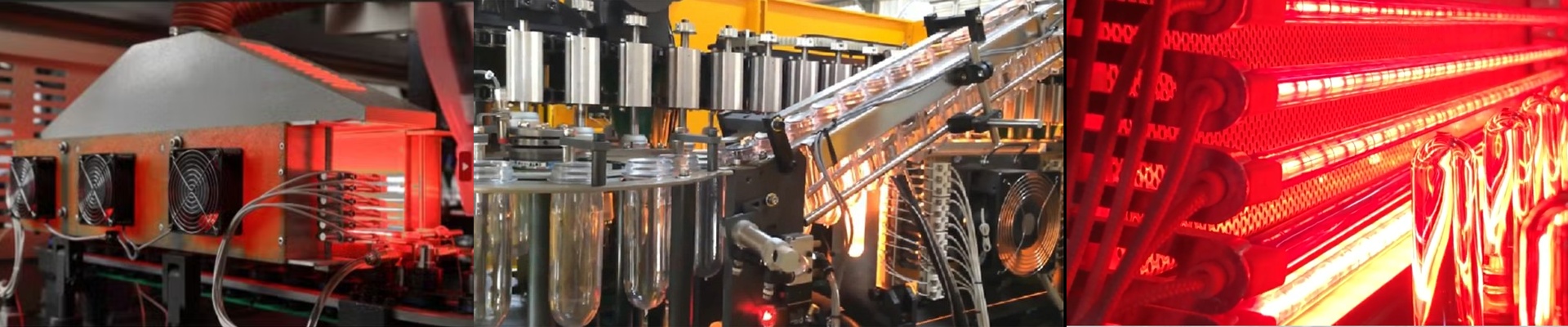
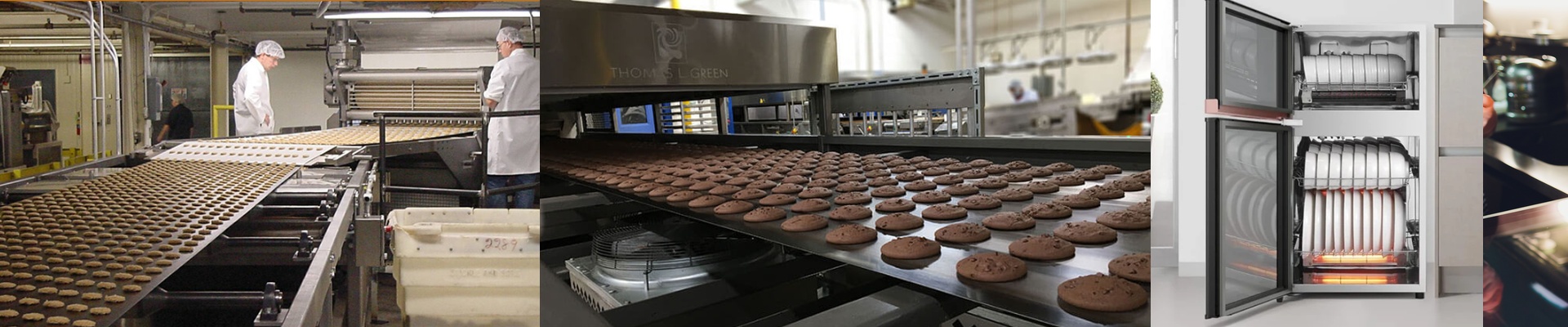
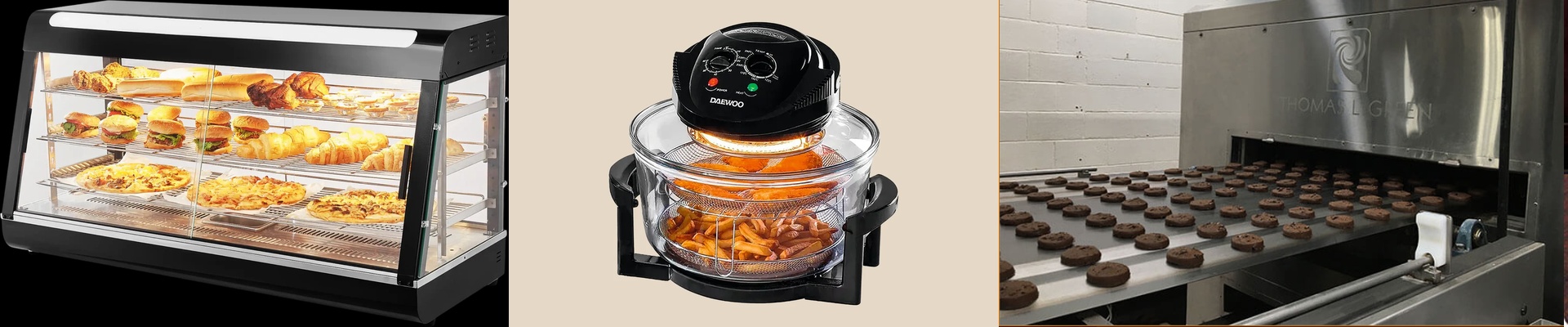
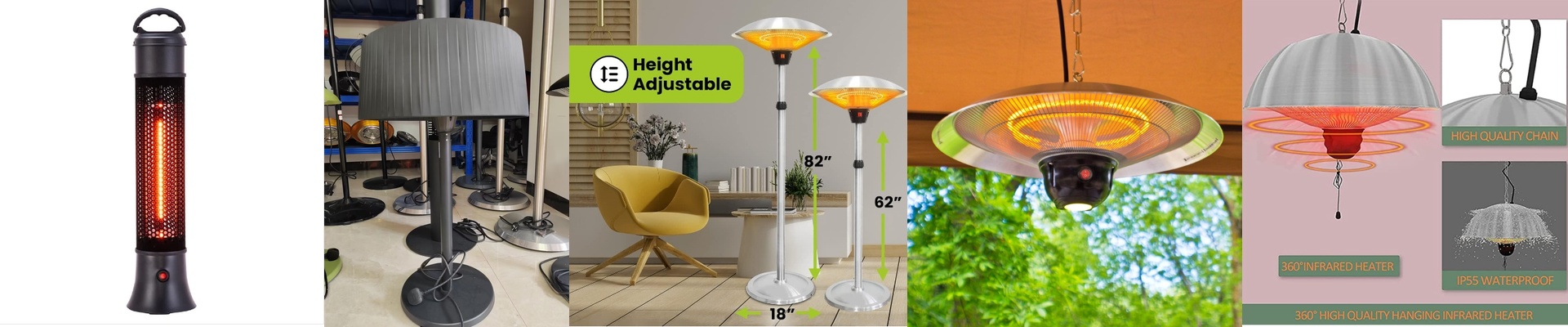
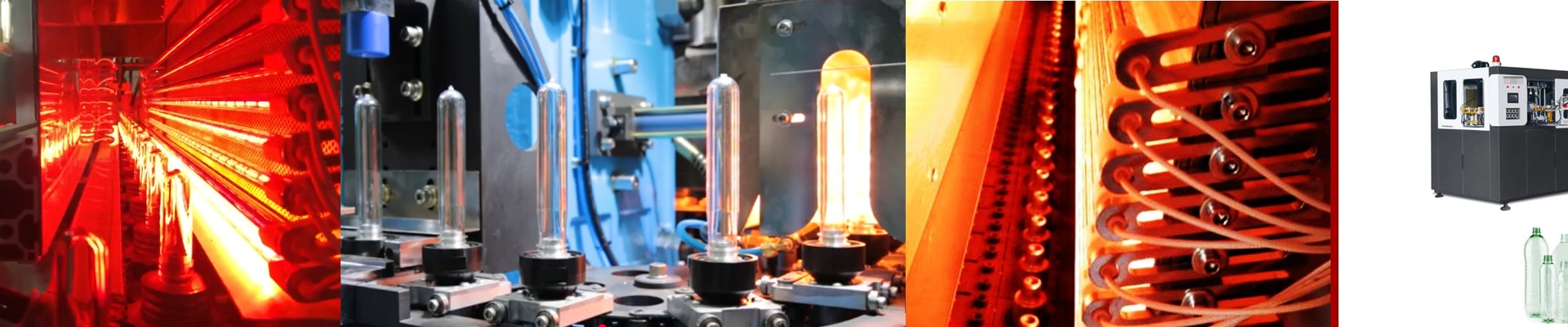

Step into a busy kitchen mid-service and you feel the strain. Dough on decks, pies on stone, sheet pans queued up and waiting. When the oven slips, you pay for it in uneven crusts, sluggish turnaround, and wasted energy. We built our carbon fiber radiant heaters to fix that—delivering repeatable, measurable heat right where it counts. What actually matters under the hood Carbon fiber throws off intense radiant energy and responds fast. It hits operating temperature quickly and settles in, no drama. In real life, that means the baking chamber comes back to setpoint within 60–90 seconds after door cycles, so you’re not chasing temperature between bakes. The heater profile lays even infrared across the hearth, which helps you avoid hot spots and cold corners. Match that with a tight thermostat and smart element placement, and you get consistent surface heat for crust development while convection handles the internal cook. Why this works where you need it In a deck oven, radiant heat sets the crust early. In a rotary or convection oven, it stabilizes pan and product temperature so top loads bake the same as bottom loads. You get faster heat-up, more consistent bake profiles through the day, and fewer rejects from uneven color. Energy use drops because the element heats on demand and holds temperature without overshooting. For bread and pizza, that shows up as cleaner caramelization, better blister, and a more predictable crumb. Here are the details you can’t skip Carbon fiber radiant heaters are compact, but they still need proper mounting clearances and ventilation to keep ambient heat around the cavity in check. Installation has to match the oven’s voltage and terminal configuration, and the element has to be aligned to the baking chamber geometry—offset it the wrong way, and you’ll still get uneven browning. Plan the wiring and service access up front, and you end up with a heat source that keeps up with service, shift after shift.